
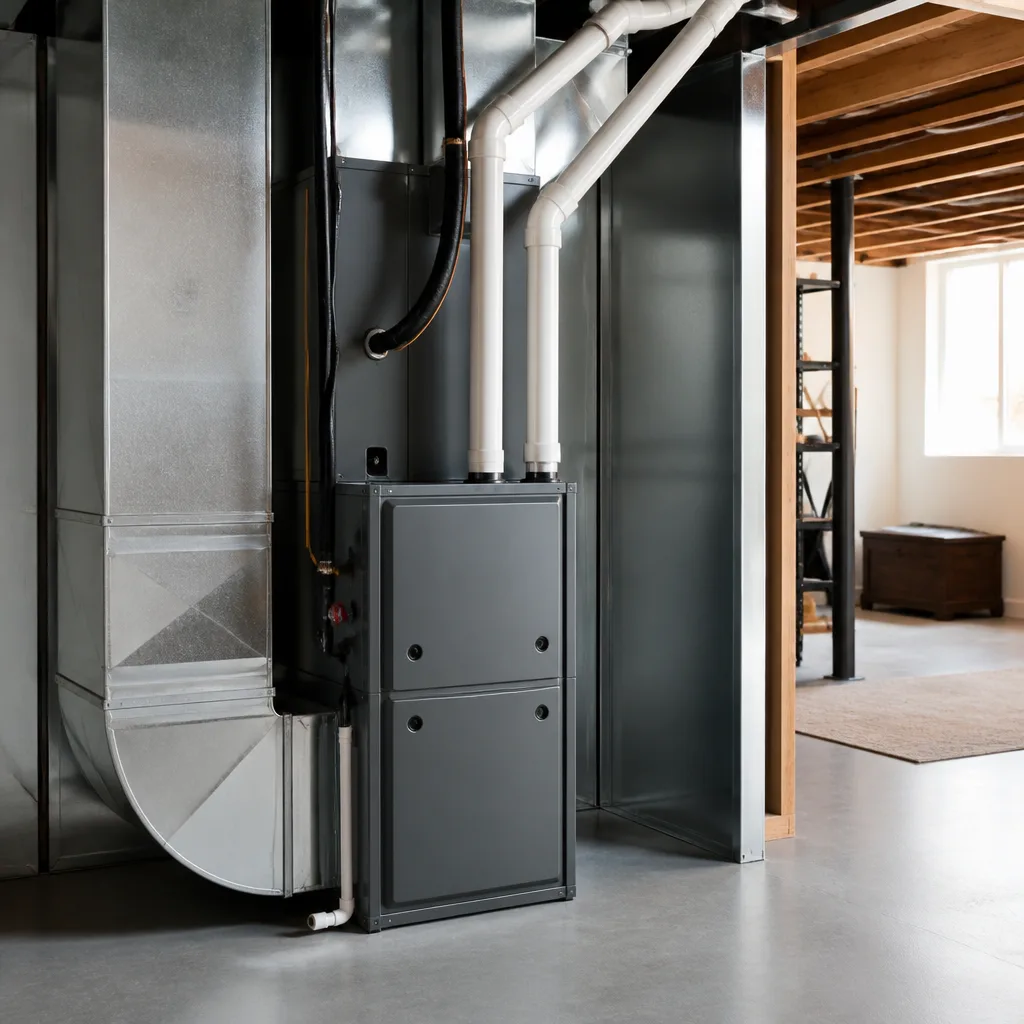
 Furnace & heating
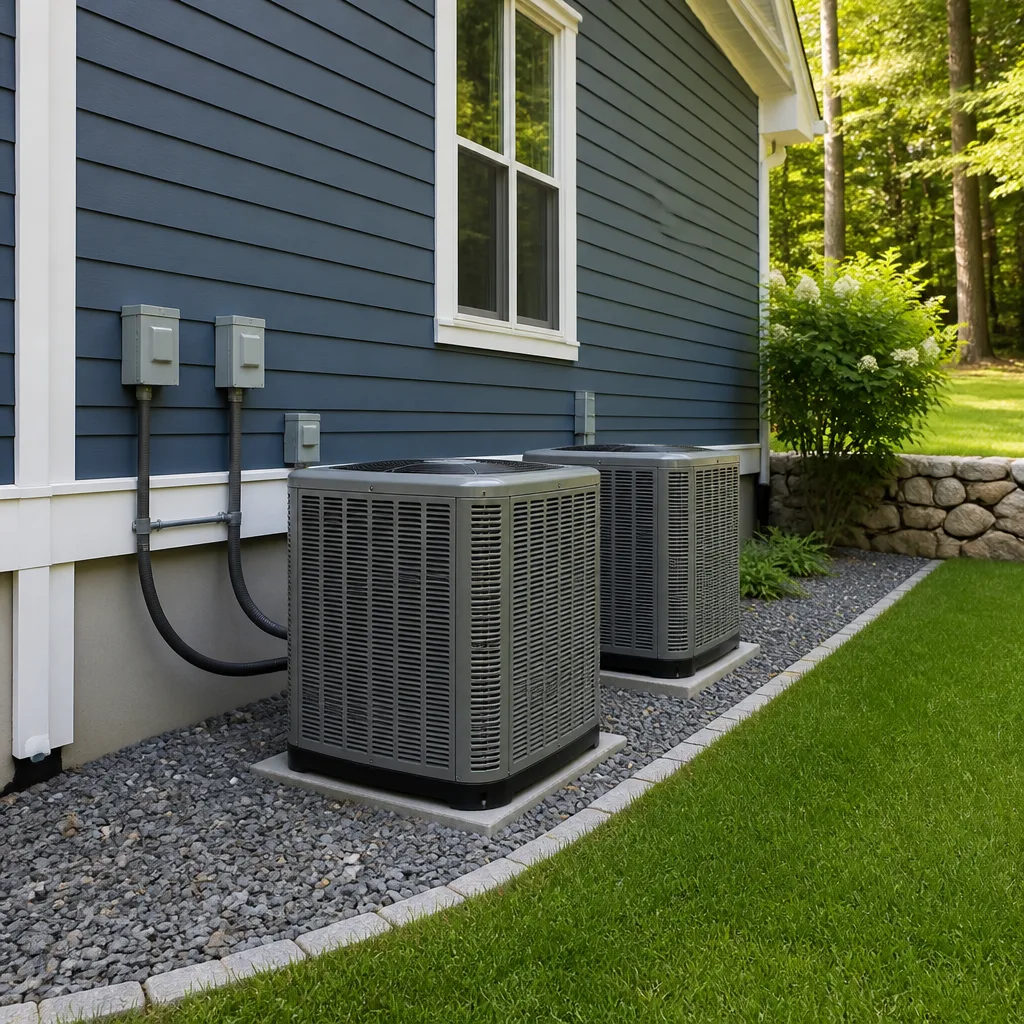 Heat pumps
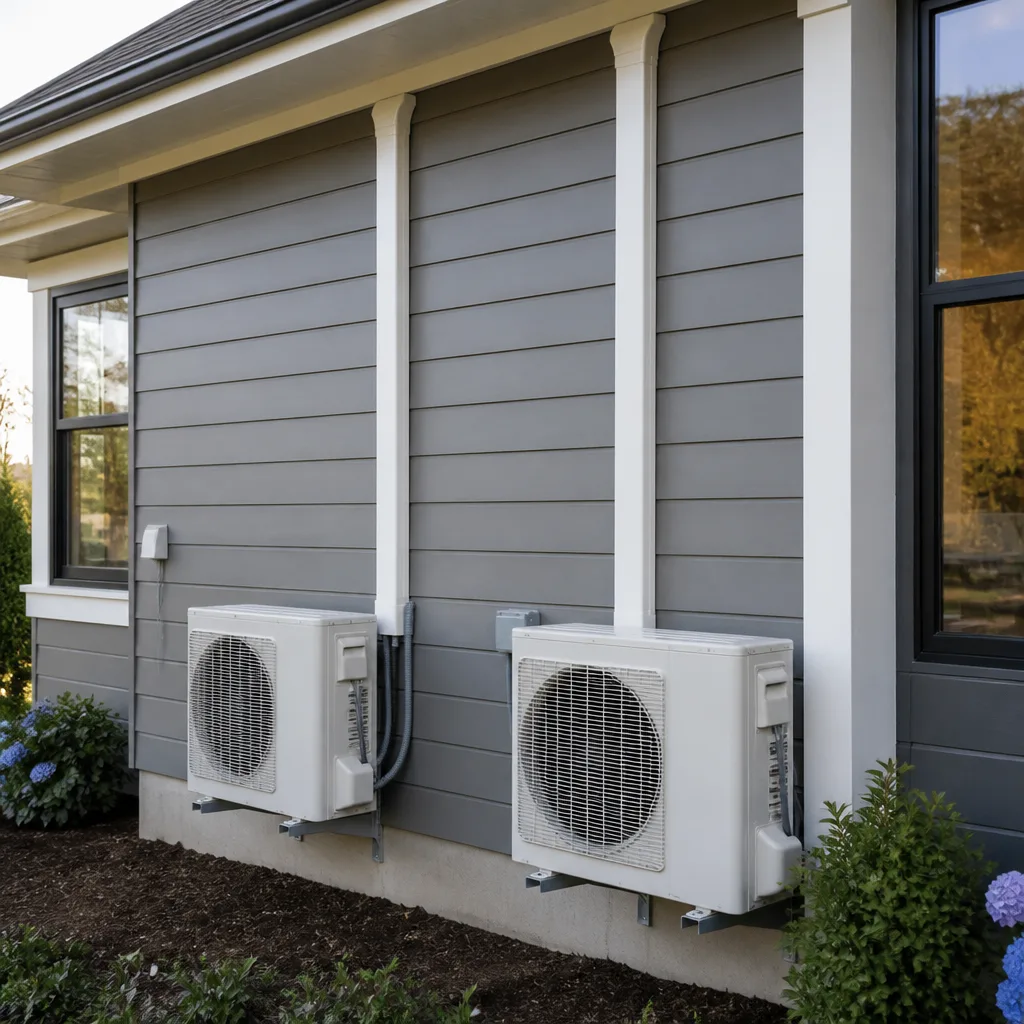 Ductless mini splits
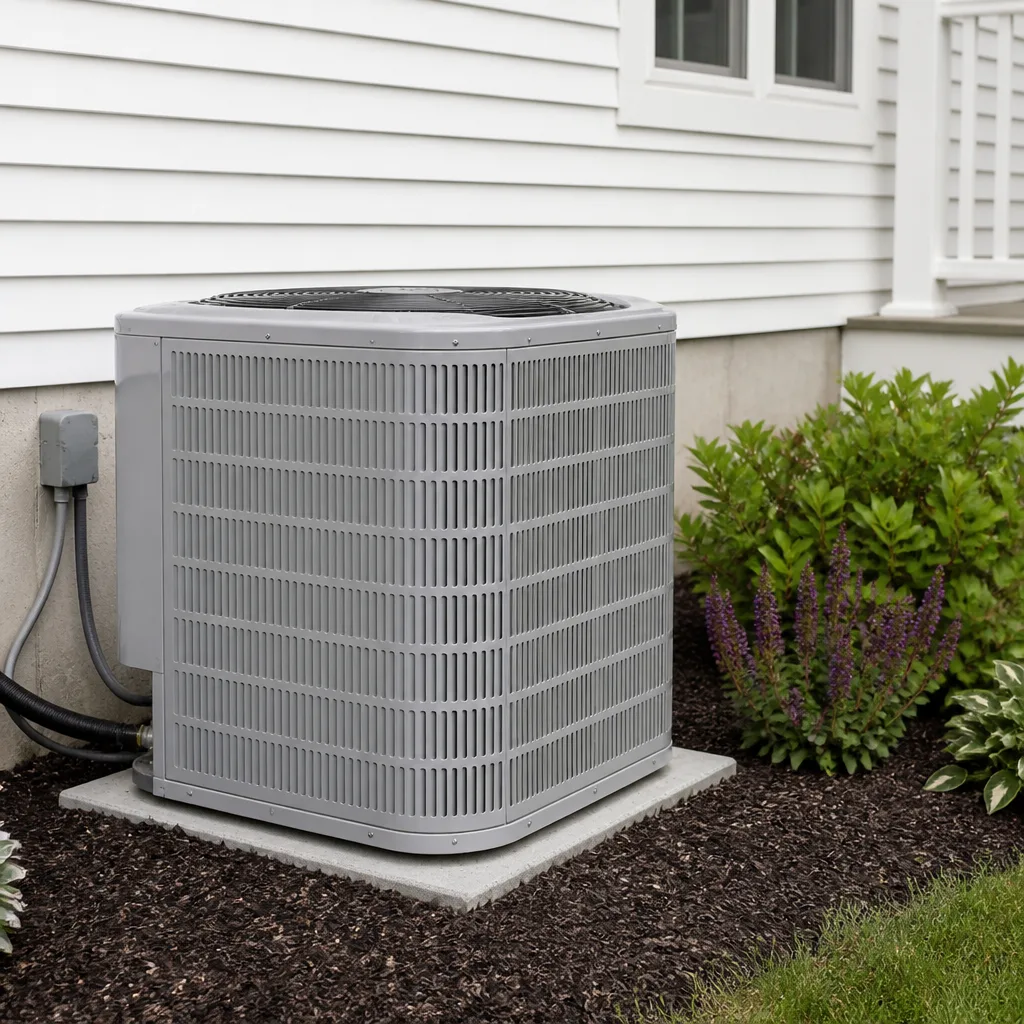 Carrier
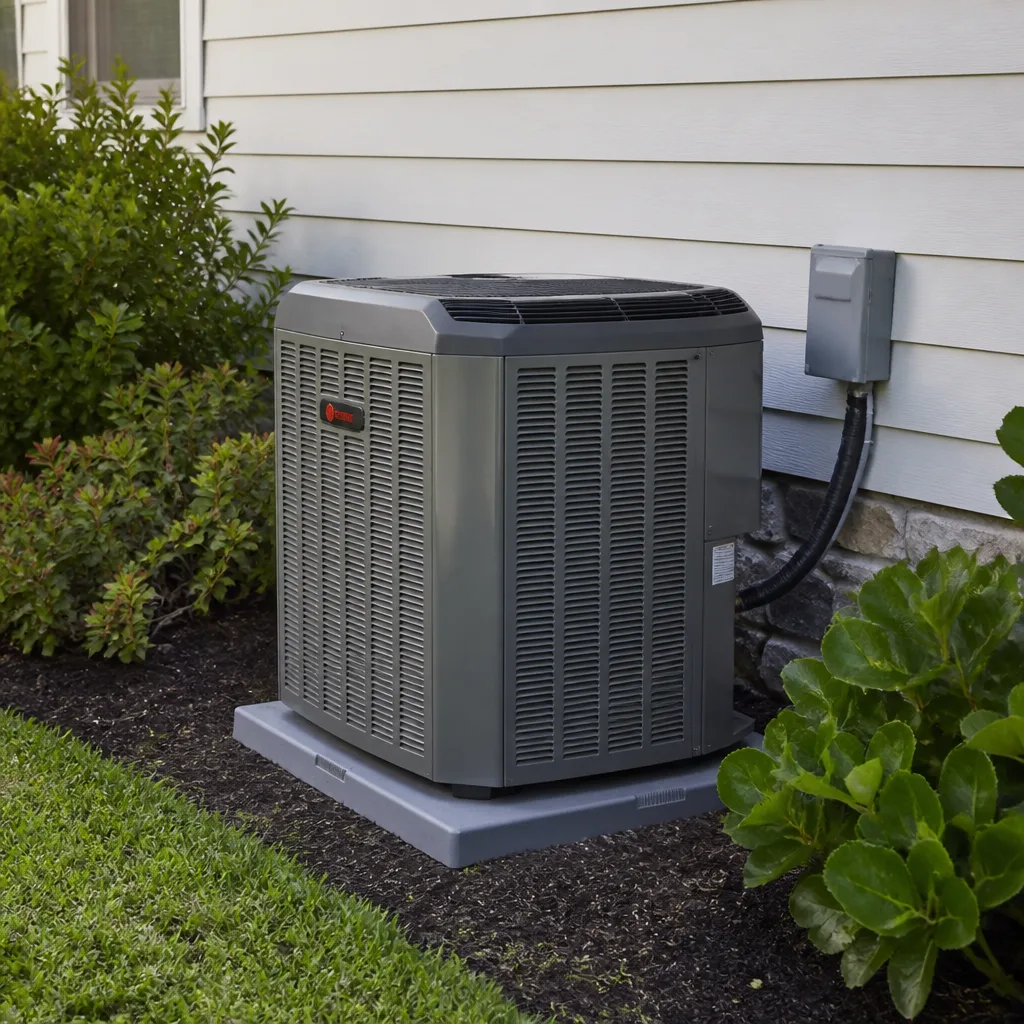 Trane
Trane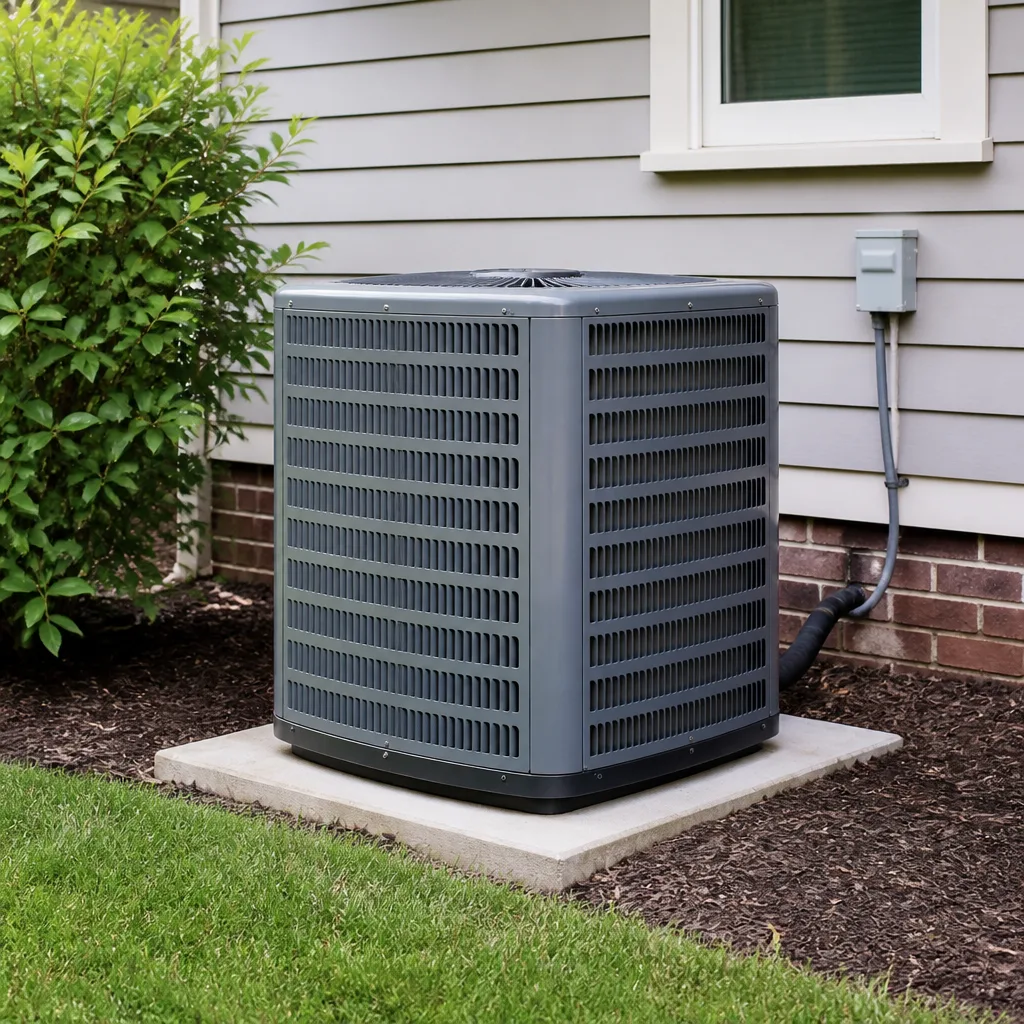 Goodman
Seasonal tune-up and full diagnostic on your Carrier, Trane, or Goodman system - readings shown to you before any repair is proposed
Diagnosis first, numbers second - you approve the repair price before a single part goes in.
Get your free estimateAmerican Standard Ductwork Repair: The Queens Owner’s Guide
Ductwork repair on an American Standard system in Queens typically runs $250 – $600 for most residential fixes, including materials and labor. We stock the common American Standard duct components on our trucks, from galvanized elbows to the specific foil-backed tape American Standard specifies for their residential lines. Most repairs finish same-day once we have eyes on the actual duct run, which means we measure, quote, and fix in one visit more often than not.
The way homeowners usually find us is simple: one room in a Queens house suddenly stops getting air, or the utility bill ticks up in July with no other change, or they hear a whistling sound when the system kicks on. Ductwork doesn’t fail with a bang. It fails quietly through disconnected joints, collapsed flex runs, or tape that dried out and peeled years ago. The good news is that American Standard equipment pairs with standard residential duct sizing, so repair is almost always faster and cheaper than people expect. The bad news is that ignored duct leaks cost real money, and in Queens humidity, they can also pull damp air into places it shouldn’t be.
Which American Standard Models This Applies To
Ductwork is not model-specific the way a control board or blower motor is. If you have an American Standard Silver, Gold, or Platinum series air handler or furnace, the ducts attached to it follow standard residential dimensions: 6-inch, 8-inch, and 10-inch round flex for branch runs, rectangular trunk lines for main supply and return. What matters for compatibility is the connection point at the plenum and the airflow rating of the system. A 2.5-ton American Standard condenser needs roughly 1,000 CFM of air movement, and undersized or collapsed ductwork fights that number every hour it runs.
One gotcha we see regularly in Queens, particularly in prewar buildings near Jamaica Avenue, is this: older duct systems were sized for gravity heat or for a much smaller air conditioner. When a newer American Standard heat pump or high-efficiency furnace gets installed, the ducts sometimes can’t move the air the system was designed to push. The fix isn’t always full replacement. Sometimes it’s a smaller segment of the run, a corrected transition at the plenum, or sealing and reinforcing what’s already there.
On OEM versus aftermarket: for American Standard ductwork specifically, there’s no such thing as an “American Standard duct” proprietary part you must use. What matters is gauge and material. We use 28- and 30-gauge galvanized steel for rigid sections, insulated R-6 or R-8 flex for branch runs, and mastic plus foil tape rated for HVAC use. The aftermarket equivalents we stock meet or exceed what the original installer used back when your system went in. We tell customers this plainly because duct material is a commodity, and charging a premium for “brand-matched ductwork” is something we won’t do.
Styles & brands we work with
Signs Your American Standard Ductwork Repair Is Failing
- One room never reaches temperature. This almost always means a disconnected or crushed branch run somewhere between the plenum and that room’s register. In Queens basements, we frequently find flex duct that’s been knocked loose by stored boxes or chewed through by rodents. The fix is usually reconnecting or replacing that one run.
- Dust around the registers or a musty smell when the blower first kicks on. Return-side leaks pull air from unconditioned spaces, and in Queens crawl spaces and basements, that air carries dust, damp, and whatever else lives down there. Sealing the return path fixes the smell and the dust.
- A whistling or rushing sound near the air handler. That’s air escaping at a joint, usually where the plenum meets the trunk line. It’s a cheap fix with the right mastic and tape, but left alone it means the system is working harder to deliver less comfort.
- Higher cooling bills without a hotter summer. Leaking ducts can lose 20 – 30% of conditioned air before it reaches a room. That’s not a small number. In a Queens July, that’s the difference between a $180 Con Ed bill and a $260 one.
- Fluttering or ballooning flex duct in the basement. Flex runs are supposed to be pulled taut with minimal sag. When the inner liner tears, air pressure inflates the outer jacket like a balloon and airflow to the room drops sharply. This one’s visible with a flashlight, no tools needed.
See the difference
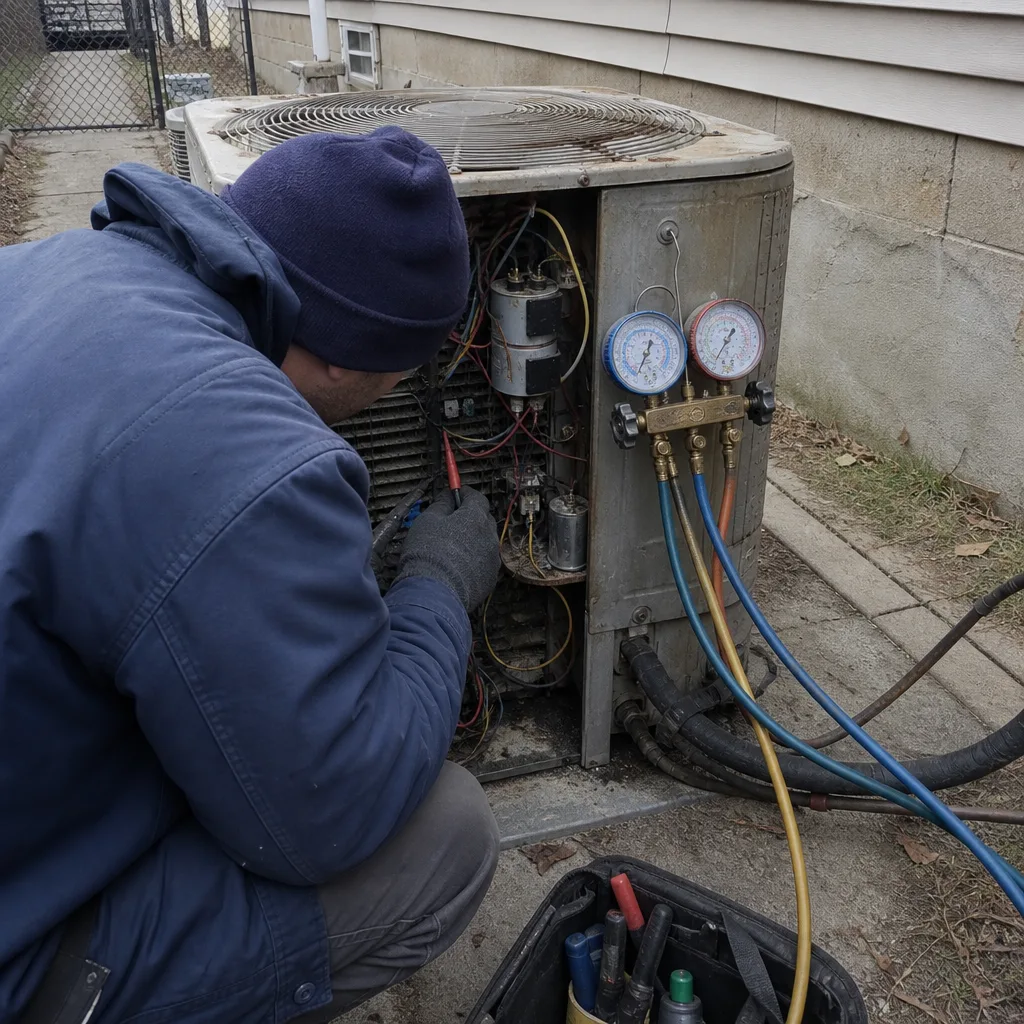 Before
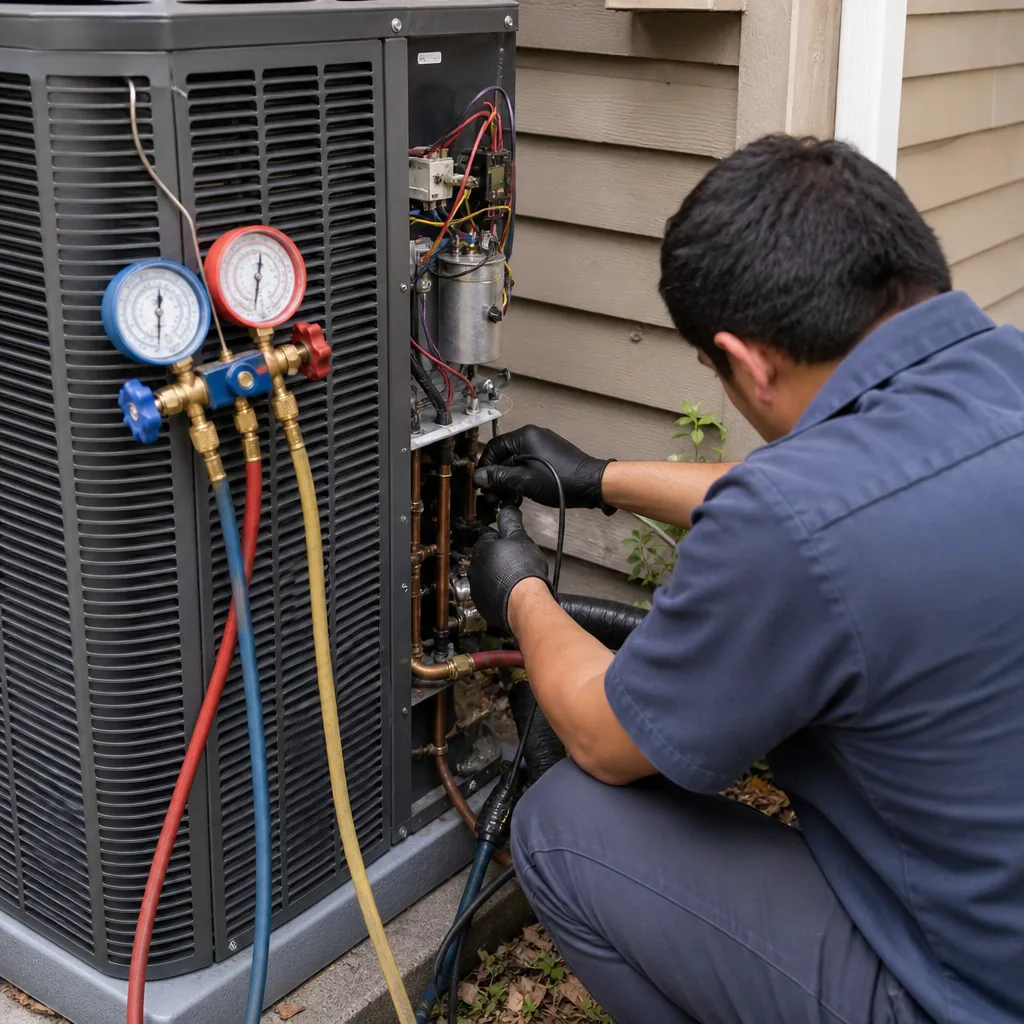 After
After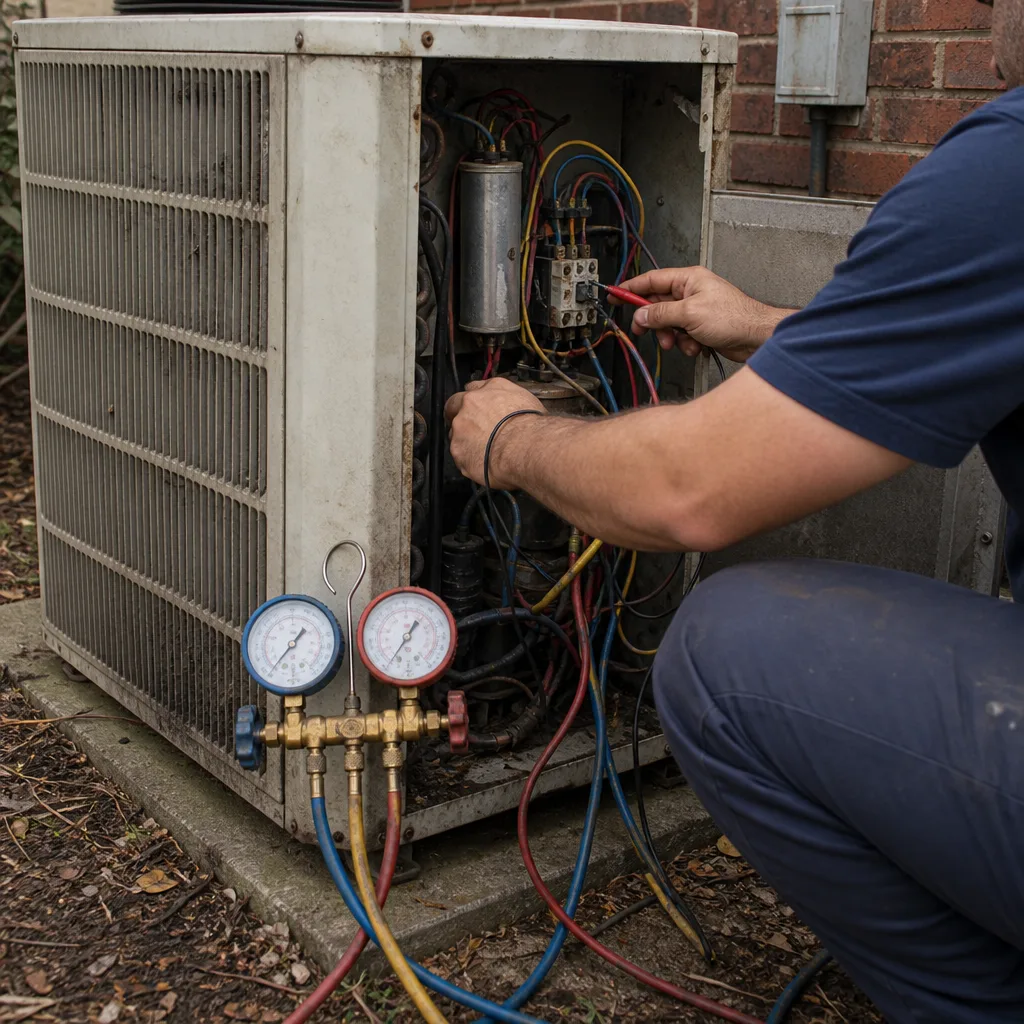 Before
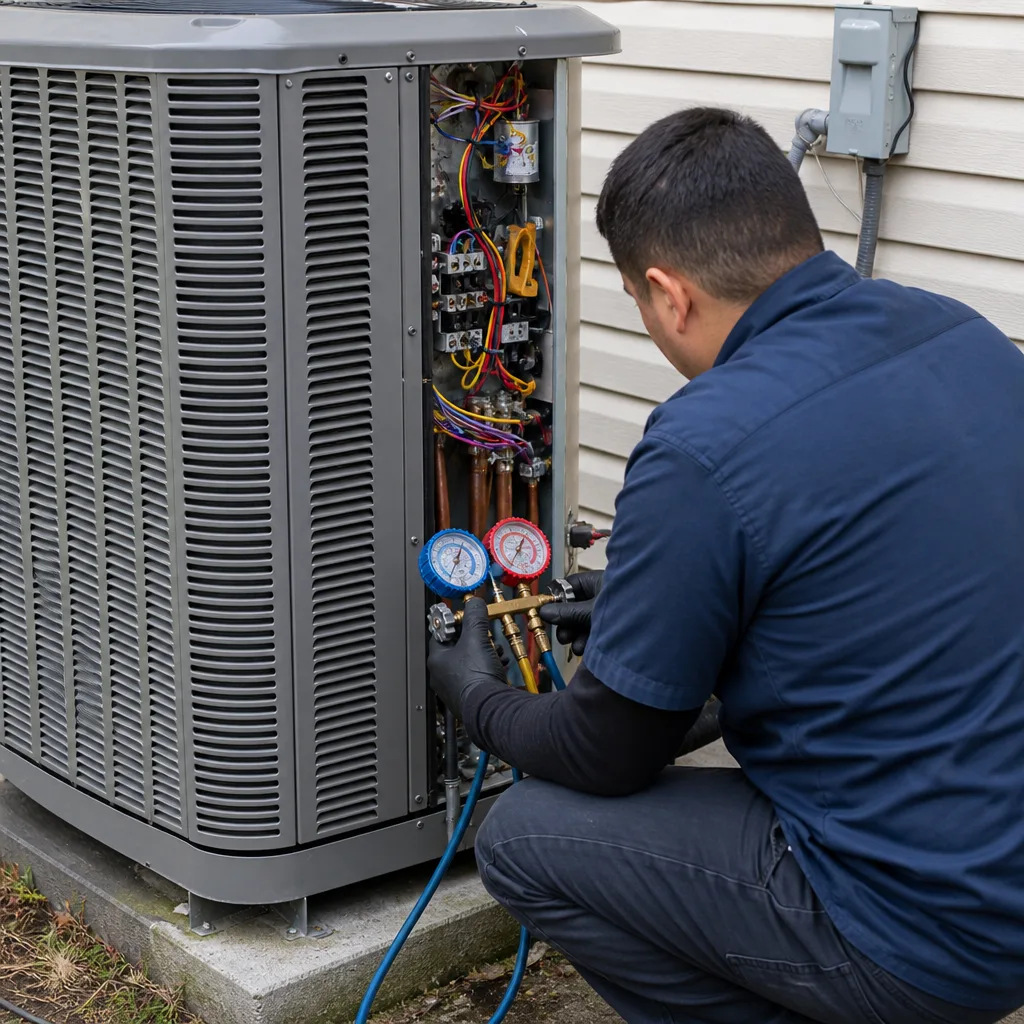 After
After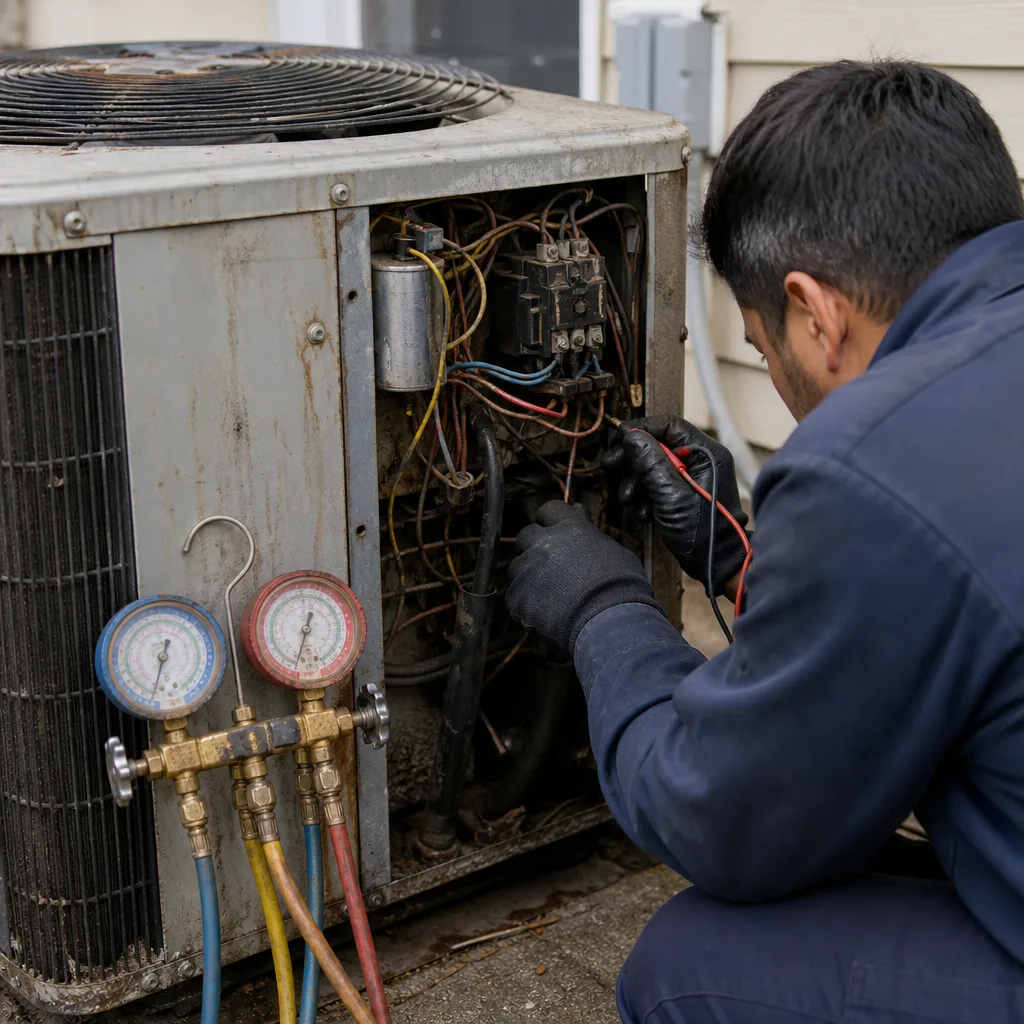 Before
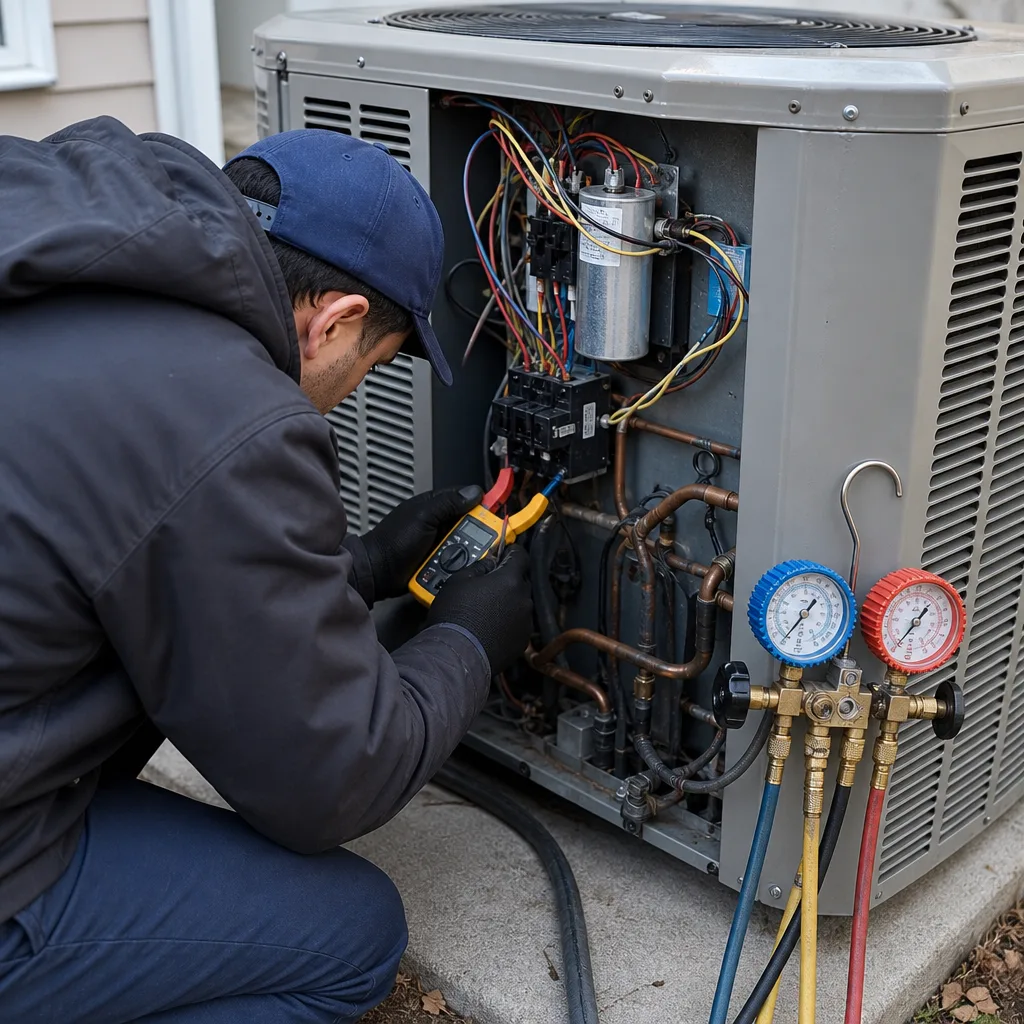 After
AfterReplacement Cost & What’s Included
For American Standard ductwork repair in Queens, budget realistically for these installed prices:
- Resealing accessible joints and connections: $150 – $300
- Replacing a damaged flex run (10 – 25 feet): $200 – $450
- Repairing or replacing a section of rigid trunk line: $350 – $600
- Adding a return air path or enlarging an undersized return: $400 – $750
- Full duct inspection with airflow measurement and written findings: $80 – $150 (credited toward repair work with us)
Every price you get from us is written down before work starts. The quote includes the parts, the labor, the sealant, and cleanup. If we open a ceiling or wall to reach a duct, we tell you that before we cut, and the quote reflects it. Every duct repair we do carries the 365-Day Done Right Promise in writing: if the repair fails within a year, we come back and fix it at no charge. No argument, no re-quote, no fine print about “normal shifting.” It’s either sealed and moving air, or we return.
DIY or Call Us?
Ductwork lacks the danger of a gas valve or an electrical panel, and we’ll be straight about that. You are not going to injure yourself by inspecting your own ducts. What you can safely do: walk the exposed runs in the basement or crawl space with a flashlight, look for disconnected joints and sagging flex, and check the tape at the plenum connection. You can shine the light along the trunk line while the fan runs and feel for air escaping at seams.
Where DIY goes wrong is sealing. Store-bought “duct tape” is not duct tape for HVAC work, despite the name. It dries out, cracks, and fails within a season or two in Queens summer heat and winter dryness. Doing the job right takes mastic, proper mesh tape, and knowing where to seal versus where to leave a joint serviceable. Ninety percent of the re-repairs we do are failed duct-tape jobs from a well-meaning homeowner or handyman. If you want it done once and done for a year or more, call us at (845) 328-4955. The inspection is straightforward and the quote is free.
FAQs
Properly installed rigid galvanized ductwork lasts 40 – 50 years or longer. Flex runs typically need replacement after 15 – 20 years in Queens conditions, because humidity breaks down the inner liner and the insulation jacket loses its R-value. If your home has original flex from a system installed in the mid-2000s, plan on addressing it soon.
Most Queens homes we see need a section repaired, not the whole system replaced. We’ll tell you if we find something different. Full replacement makes sense when the original sizing is wrong for the current American Standard equipment, or when multiple runs are compromised. If a repair gets you comfortable air for a fraction of the cost, that’s what we recommend. Call (845) 328-4955 and we’ll give you the straight answer after looking at it.
A typical accessible flex run replacement or joint resealing takes 1 – 2 hours on site. Cutting open a wall or ceiling to reach a hidden section adds time. For most single-section repairs, we’re done the same day we start.
Yes. Our trucks carry the common flex diameters, rigid elbows and reducers, dust pans and takeoffs, mastic, and foil tape we use daily. We also service Carrier, Trane, and Lennox equipment, so the truck carries a broad set of duct fittings. For unusual sizes or long runs, we source from our Queens suppliers same day or next morning.
Written by Devin Marlowe, Owner, Brandt HVAC Co Queens at Brandt HVAC Co Queens, serving Queens and nearby areas.