
Last updated October 16, 2026
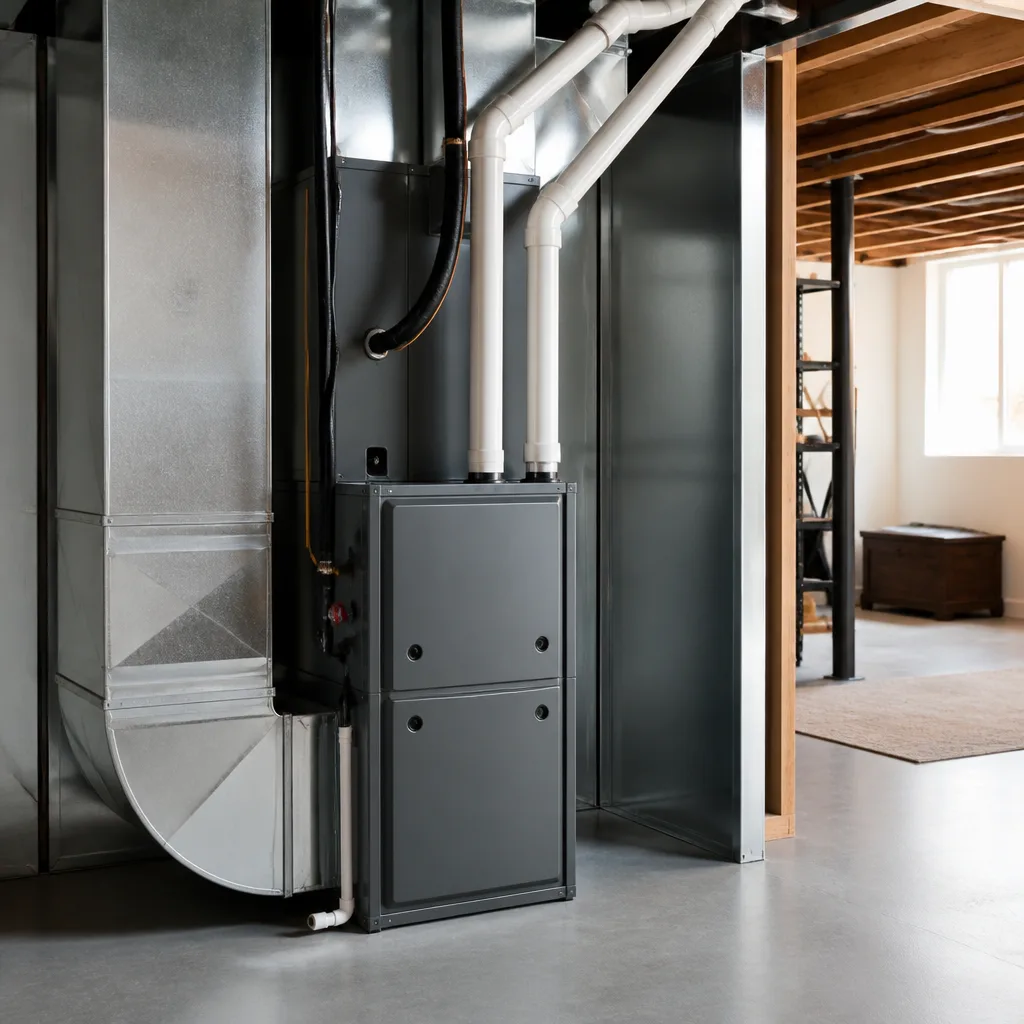 Furnace & heating
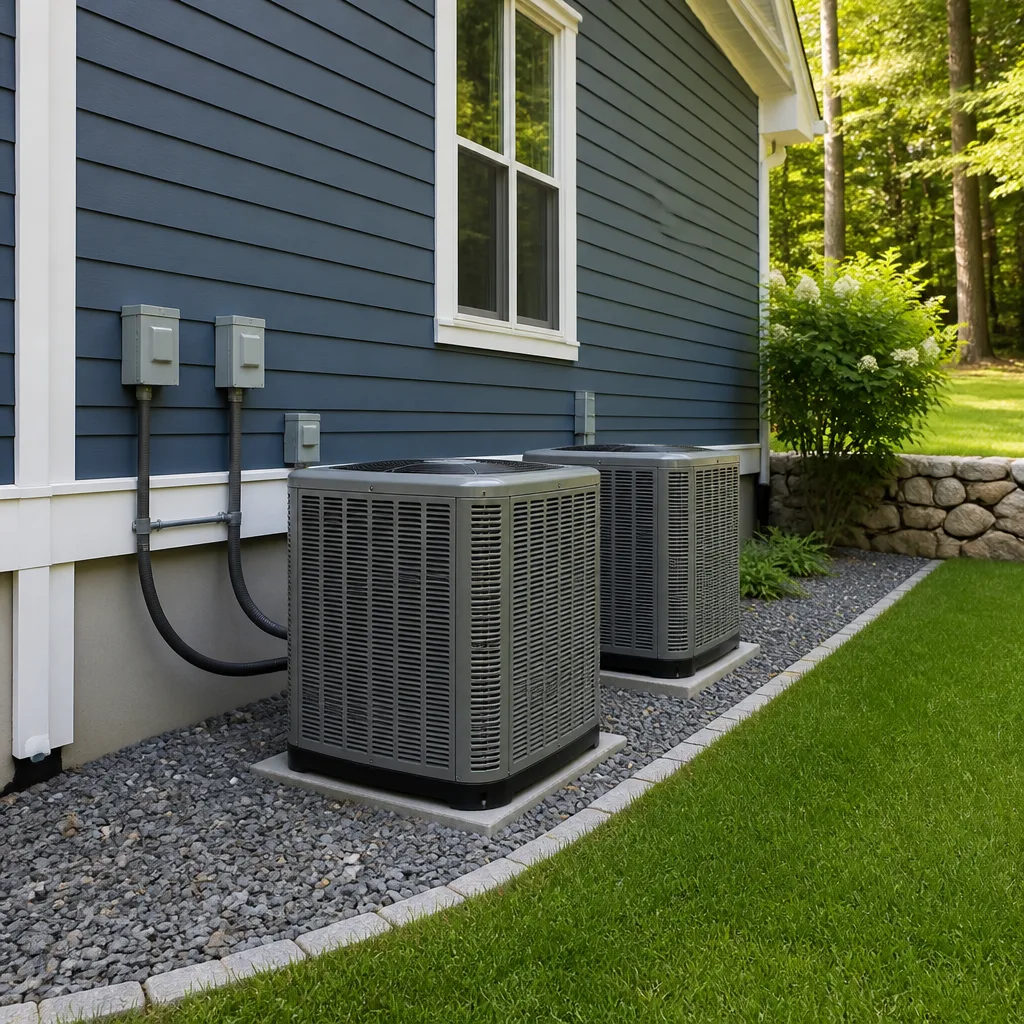 Heat pumps
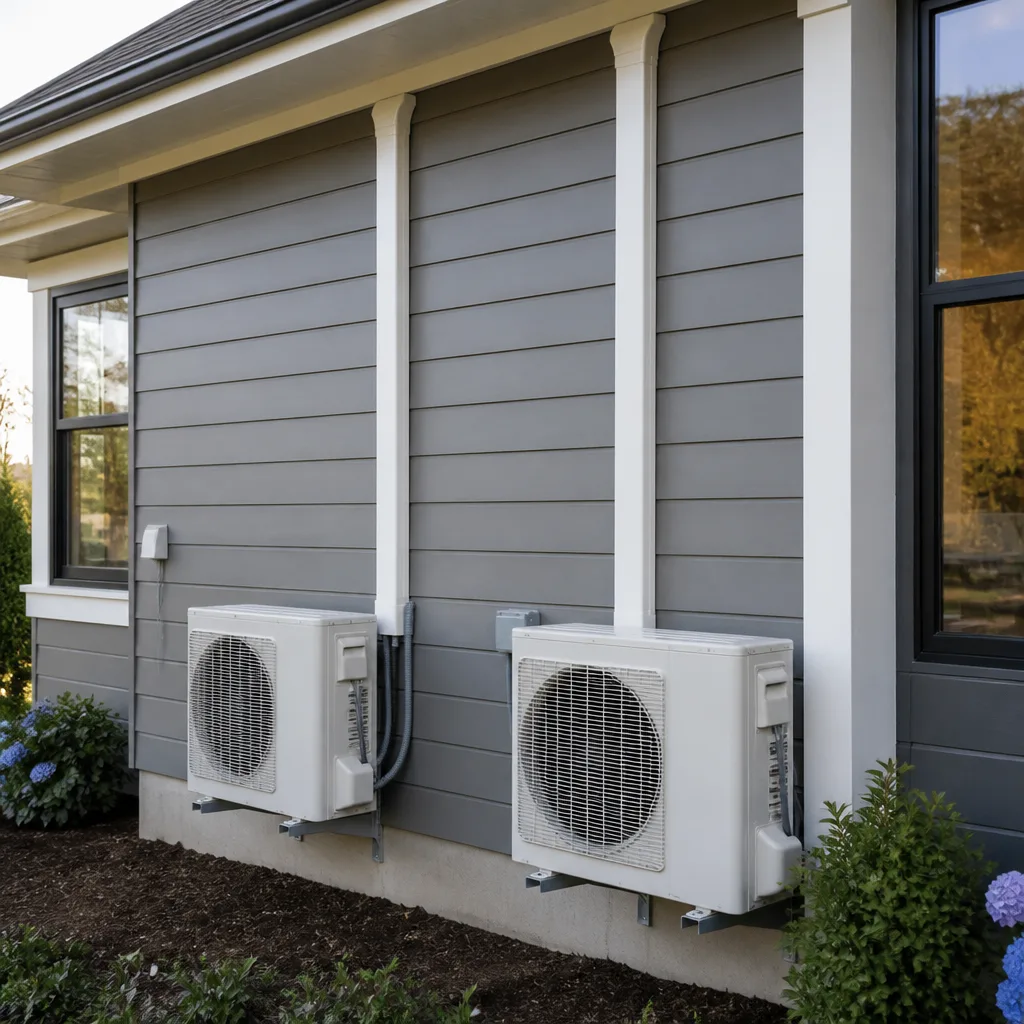 Ductless mini splits
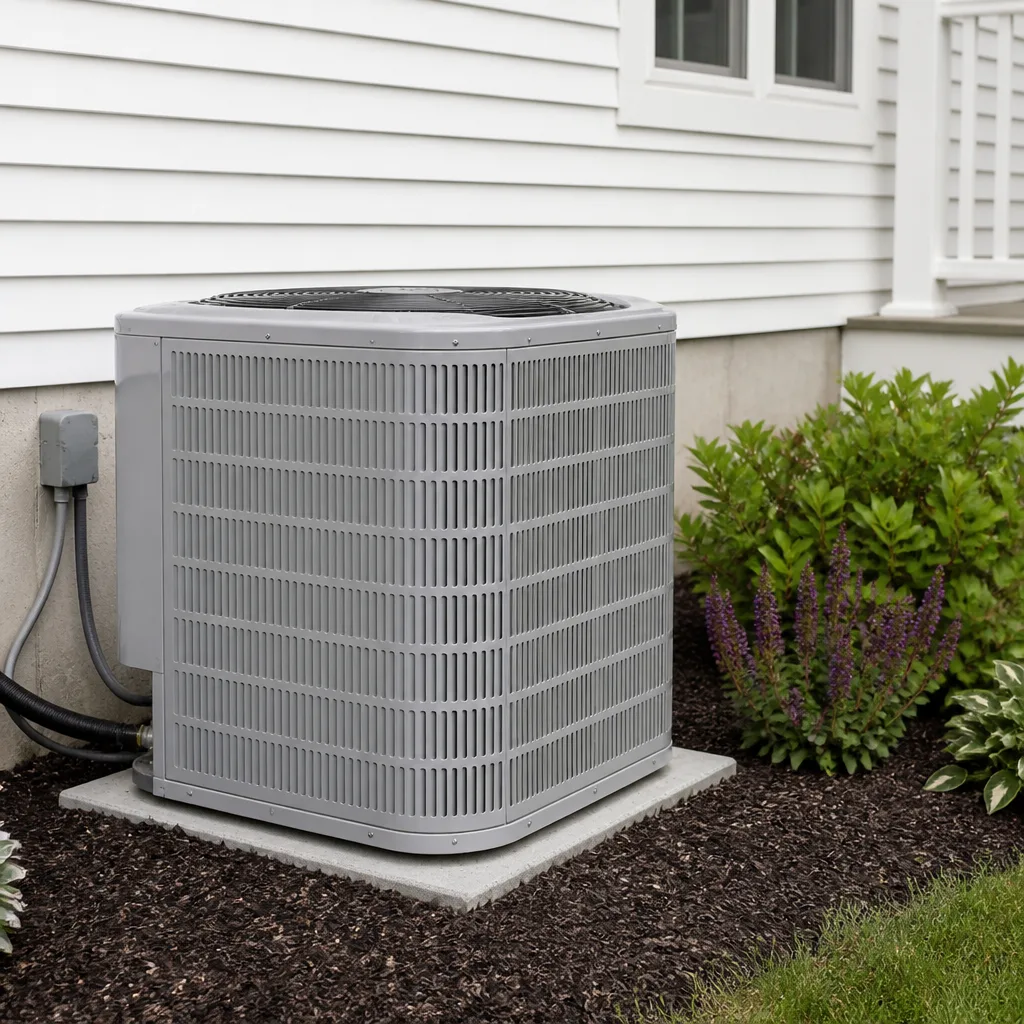 Carrier
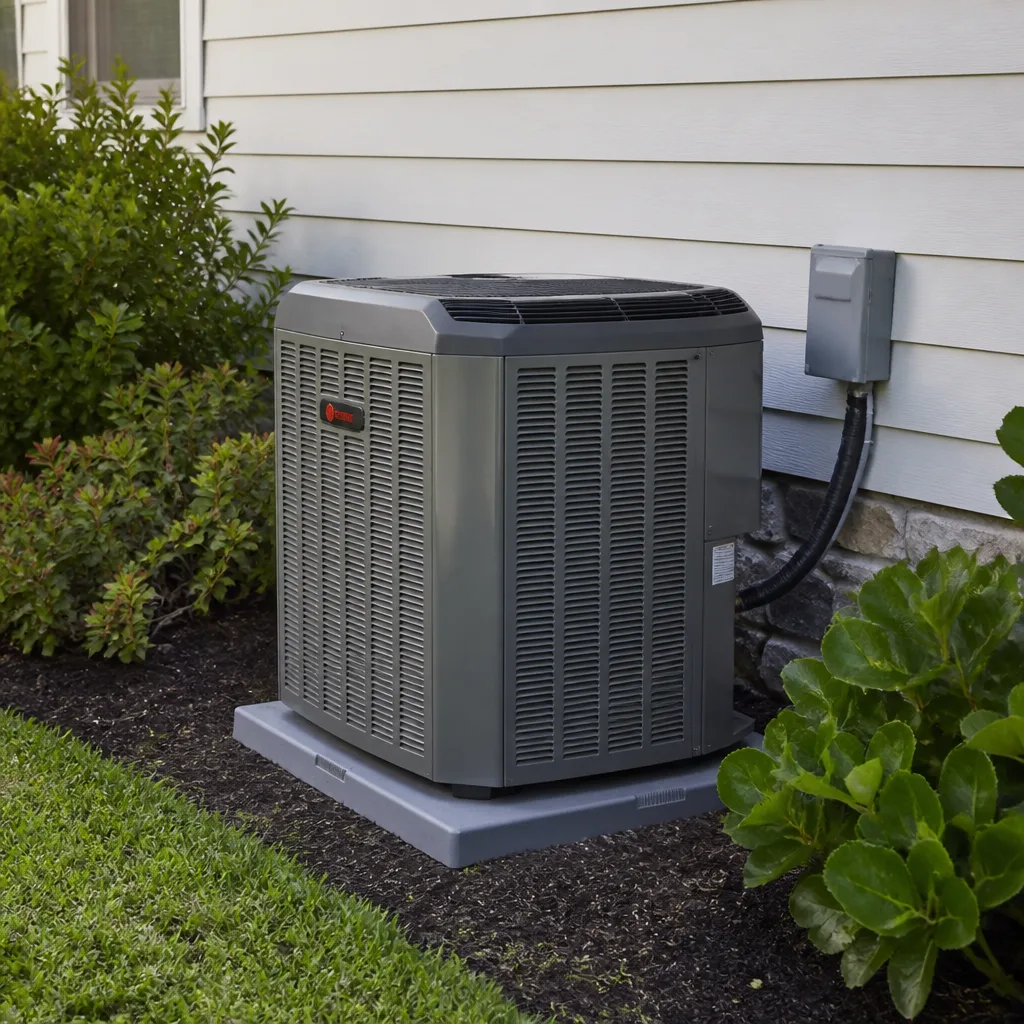 Trane
Trane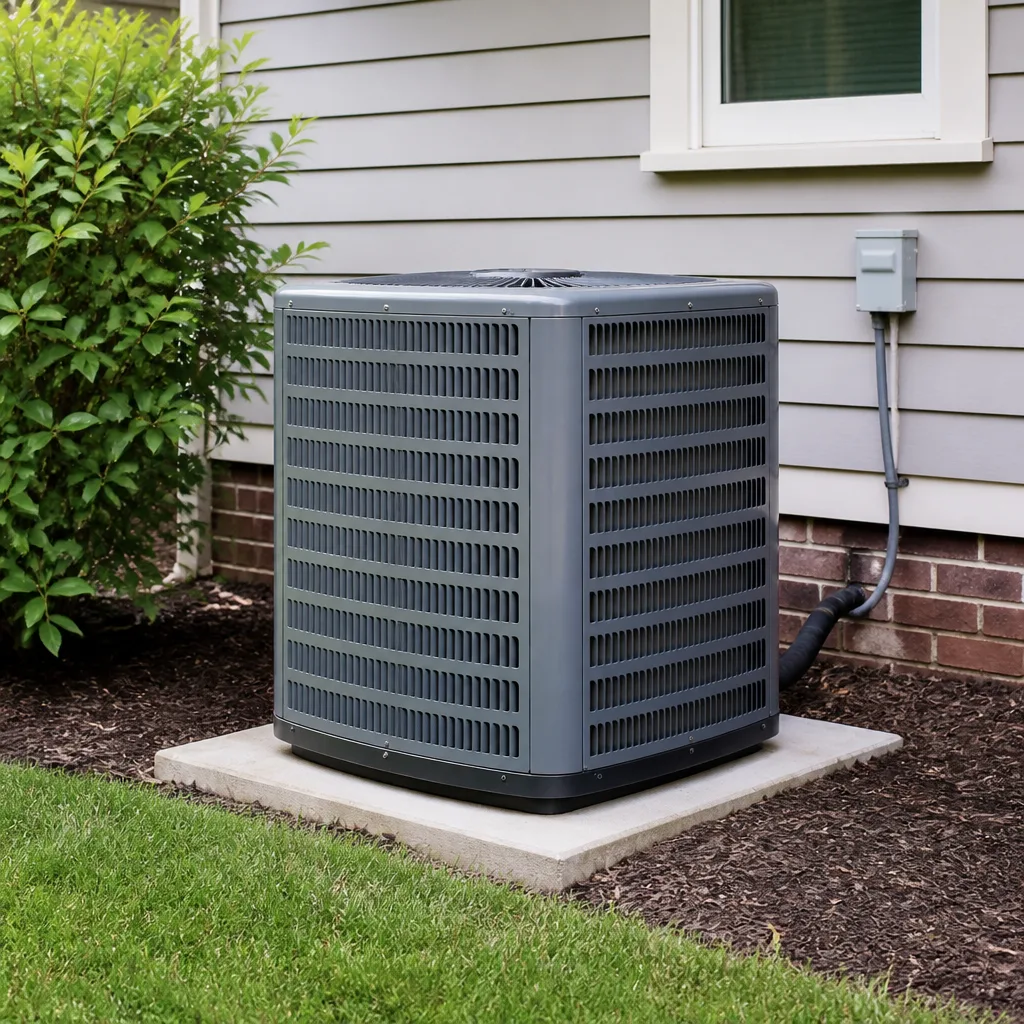 Goodman
Seasonal tune-up and full diagnostic on your Carrier, Trane, or Goodman system - readings shown to you before any repair is proposed
Diagnosis first, numbers second - you approve the repair price before a single part goes in.
Get your free estimateHVAC Permits, Codes & Inspections in NY: What You Need to Know
In Queens, we’ve watched homeowners tear out brand-new ductwork because a contractor swore no permit was needed for the job. The permit would have cost about $150. Exposing the work for a Department of Buildings inspector after the fact ran into the thousands, not counting the repair. If you’re planning any HVAC work in New York City, the single most expensive mistake you can make is believing permits are optional. This guide walks through exactly which Queens HVAC jobs require a DOB filing, how to verify a permit was actually pulled, and what to say to any contractor who tells you to skip it. For related reading, see our HVAC Warning Signs: A Queens Homeowner’s Reference Guide.
Quick Answer
Most HVAC work in Queens requires a permit or equipment filing with the NYC Department of Buildings (DOB). Furnace and boiler replacements, new AC installations, ductwork changes, and even some water heater swaps trigger permit requirements under the NYC Mechanical Code. Skipping the permit can void your homeowner’s insurance, complicate a future home sale, and force you to expose finished work for inspection. Always verify the permit was pulled in the DOB NOW public portal before work starts.
Styles & brands we work with
Table of Contents
- NYC DOB Permit Categories for HVAC Work
- Which Queens HVAC Jobs Trigger a Permit
- How to Verify a Permit Was Actually Pulled
- What Local Law 97 Means for Queens Homeowners
- Insurance and Home Sale Consequences of Unpermitted Work
- Exact Questions to Ask Your Contractor About Permits
- What to Expect During a DOB Inspection
- A Realistic Breakdown of NYC HVAC Permit Costs
NYC DOB Permit Categories for HVAC Work
The NYC Department of Buildings doesn’t issue a single catch-all “HVAC permit.” HVAC work in Queens falls under three distinct filing categories, and which one applies depends on the scope of the job. A contractor who knows the difference will explain it without being asked. A contractor who waves off the question is a red flag.
The three categories that matter for residential HVAC are:
- Alt-1 (Alteration Type 1): Required for work that changes the building’s certificate of occupancy, affects egress, or alters structural elements. For HVAC, this usually applies when you’re adding a new mechanical system where none existed, enlarging openings for ductwork through load-bearing walls, or installing rooftop equipment that changes the building’s height or bulk. Alt-1 filings require a New York State licensed professional engineer or registered architect to submit drawings.
- Alt-2 (Alteration Type 2): Required for work that does not change the certificate of occupancy but still requires DOB oversight. Most residential HVAC replacements in Queens fall here: swapping a furnace or boiler of a different type or capacity, replacing an AC condenser in many cases, or modifying ductwork. A registered design professional files this, but the review is lighter than Alt-1.
- Equipment Filings (sometimes called “direct replacements”): For like-for-like equipment swaps where the new unit is the same type and similar capacity. Even these often require an electrical permit for the power supply work. A furnace swap isn’t a free pass just because it fits in the same closet.
In our experience, the most common misunderstanding in Queens is homeowners assuming a like-for-like swap needs nothing at all. The mechanical work itself may qualify as a direct replacement, but the gas line connection, flue work, or electrical disconnect often carries its own filing requirement.
Which Queens HVAC Jobs Trigger a Permit
Queens is dominated by attached homes, co-ops, condos, and multi-family buildings. That density changes the permitting picture compared to a stand-alone house upstate. Work in a two-family home in Woodside or a co-op in Forest Hills can trigger different requirements than the same job in a single-family in Whitestone.
Here’s a practical list of which jobs require a filing, based on what we’ve filed for in Queens:
- Furnace or boiler replacement: If the new unit is a different type (say, converting from oil to gas) or a significantly different BTU input, this is an Alt-2 at minimum. Even a same-type swap often needs a gas work filing.
- New central AC installation where none existed: Adding an entirely new condenser, line set, and evaporator coil is an alteration to the building’s mechanical systems. This is Alt-2 territory and frequently requires an electrical permit for a new circuit.
- Ductwork changes: Running new supply or return ducts, enlarging existing runs, or cutting new registers through walls and floors requires a filing. In attached Queens homes, any penetration of a party wall raises the stakes further.
- Rooftop condenser or through-wall sleeve installation: Penetrating the building envelope triggers a filing. In a landmarked district like Douglaston or parts of Jackson Heights, additional Landmarks Preservation Commission review may apply.
- Gas piping work: Any modification to gas lines feeding a furnace or boiler requires a Licensed Master Plumber and a gas work filing. This is non-negotiable and separate from the mechanical filing.
- Water heater replacement tied to HVAC: If a combi-boiler serves both heat and hot water, replacing it touches both systems and requires coordinated filings.
The quick rule: if the work changes equipment type, capacity, location, or any connection to gas, electric, or the building envelope, assume a permit is required until you’ve confirmed otherwise in writing. Our AC Repair Maintenance Checklist for Queens Homeowners can help you track these details.
How to Verify a Permit Was Actually Pulled
One of the most valuable things a Queens homeowner can do is check the DOB NOW public portal before paying a contractor. It’s free, it’s public, and it takes five minutes. We’re going to walk you through it step by step because we’ve had customers discover that a previous contractor never filed anything.
Step 1: Go to the NYC DOB NOW public search page. The direct path is through nyc.gov/dobnow, then click “DOB NOW Public Portal” and select “Search DOB NOW.”
Step 2: Enter your address. Use the house number and street name as they appear on official city documents. Queens addresses can have confusing hyphenated numbers, especially in neighborhoods like Ozone Park or Cambria Heights, so match the format on your property tax bill.
Step 3: Look under the “Filings” tab for your address. You’ll see a list of any Alt-1, Alt-2, or equipment filings. Each should show a filing status: Filed, Approved, or Permitted. A filing that sits in “Filed” status for months is a problem; it means the job moved faster than the paperwork.
Step 4: Check the specific job description. The filing should describe the work being done at your address. If you’re getting a furnace replaced and the most recent filing is for a roof repair from 2019, no permit was filed for your HVAC work.
Step 5: Ask the contractor for the DOB NOW filing number before they start. A legitimate contractor will give you this number without hesitation. Then verify it in the portal.
This process takes less time than reading this section. It has saved Queens homeowners from paying for work that would later need to be exposed, re-inspected, and possibly redone.
What Local Law 97 Means for Queens Homeowners
Local Law 97 is New York City’s building emissions law. Most of the headlines focus on large commercial buildings, but the law’s implications for residential HVAC in Queens are real and arriving sooner than many homeowners realize.
The key things to know today:
- Direct impact on small homes is limited right now. Local Law 97’s carbon caps currently apply to buildings over 25,000 square feet. Most single-family and two-family Queens homes fall below that threshold.
- Cooperatives and condominiums are the exception. If you own a unit in a larger co-op or condo building in Flushing, Forest Hills, or Long Island City, the building’s board is already tracking Local Law 97 compliance. Your choice of HVAC equipment inside your unit can affect the building’s overall carbon calculation.
- Equipment choices now will age into compliance requirements. A gas furnace installed in 2025 will still be running when carbon caps tighten for buildings of all sizes. Replacing an oil boiler with high-efficiency gas or a heat pump is becoming the financially safer long-term choice.
- Rebate programs are shifting toward electrification. ConEd and NYSERDA incentives increasingly favor heat pumps and high-efficiency electric equipment. A gas furnace installation that qualifies for no rebate today may look more expensive in five years.
The practical takeaway for a Queens homeowner replacing a furnace or AC right now: think about the equipment’s life cycle, not just the installation cost. A Bryant or Rheem heat pump installed with a permit and proper documentation positions you better for the next decade than a bargain furnace installed with no filing at all.
Insurance and Home Sale Consequences of Unpermitted Work
Here’s where unpermitted HVAC work stops being a technicality and starts costing real money. Queens homeowners discover this during claims and closings.
Insurance claims. If a furnace installed without a permit causes a fire, a carbon monoxide event, or water damage, the insurance adjuster will investigate. A standard homeowners policy contains language requiring that work be performed in compliance with local law. If the adjuster finds unpermitted HVAC work, the claim can be denied or reduced. A homeowner in Bayside learned this after an unpermitted boiler replacement resulted in what should have been a covered loss. The denial letter cited the missing DOB filing.
Home sales. During a title search and closing, buyers and their attorneys can pull DOB filings for the property. Unpermitted HVAC work shows up as work done without a corresponding filing. This can delay closing, force a price concession, or require the seller to obtain a late filing and inspection before the sale completes. In a market as competitive as Queens, a delayed closing can collapse an entire transaction.
Liability transfer. If you sell a home with unpermitted HVAC work and it later causes a problem, the buyer may pursue a claim. Having the work permitted and inspected at the time of installation protects you from liability that could otherwise follow you years after the sale.
The financial case is simple: a permit costs $150 to $400 on most residential HVAC jobs. Defending an insurance denial or repairing a sale gone sideways costs far more.
Exact Questions to Ask Your Contractor About Permits
Most Queens homeowners don’t want to feel like they’re interrogating a contractor. But the question of permits is one where a direct conversation upfront prevents a disaster later. We tell our customers to ask these questions word for word.
1. “Will this job require a DOB filing or permit, and who will be responsible for obtaining it?”
This is the foundational question. A compliant contractor answers immediately, with specifics. A contractor who hesitates or says “we’ll figure that out later” is telling you something important.
2. “Please provide the DOB NOW filing number before the start date.”
The filing number is your proof the permit process has begun. If a contractor cannot produce a number before work starts, the permit has not been pulled. No exceptions.
3. “Is the work being filed as an Alt-1, Alt-2, or equipment filing?”
This single question separates contractors who file from contractors who stall. Someone who files regularly in Queens will know exactly which category your job falls into. “I’m not sure, my office handles that” is not an answer.
4. “Who is the registered design professional on the filing?”
Alt-1 and most Alt-2 filings require a licensed engineer or architect. A contractor who cannot name the professional on your filing is subcontracting the responsibility into a void.
5. “Will there be a DOB inspection, and when should I expect it?”
Some residential jobs are inspected by the DOB; some rely on the licensed professional’s signed certification. Either way, the contractor should tell you the inspection plan before work begins, not after the walls are closed.
One note from our side of the trade: Brandt HVAC Co Queens home customers get their filing information and technician introduction before anyone arrives. That’s the standard we think every Queens homeowner should expect from any contractor.
What to Expect During a DOB Inspection
A DOB inspection in Queens is not a casual walk-through. The inspector is checking that the installed work matches the approved filing. If it doesn’t, the job stops, paperwork gets amended, and the project timeline extends.
Here’s the typical sequence for a residential HVAC inspection:
- The inspector is scheduled. After the rough-in or completion work is done, the contractor notifies the DOB that the job is ready for inspection. You may not get much advance notice; DOB scheduling isn’t built around homeowner convenience.
- The inspector reviews the approved filing. They’ll compare the drawings and specifications against what’s actually installed. Equipment model numbers, capacity ratings, and location all matter.
- Site access is required. The inspector needs access to the equipment, the gas connection if relevant, the electrical panel, and any ductwork. If you’re in an attached home or multi-family building, access through common areas needs to be arranged in advance.
- Corrections, if any, are noted. If the inspector finds deviations, they issue objections. The contractor has an opportunity to correct and reschedule. This is where workmanship and permit discipline show: a well-documented job passes the first time; a sloppy one doesn’t.
- The filing is signed off. Once the inspection passes, the signed filing becomes part of the permanent DOB record for your address. That record is what protects you in an insurance claim or home sale.
Some smaller jobs are handled as self-certified by the licensed professional, meaning the DOB doesn’t send an inspector to the site. Even in those cases, the professional’s certification creates a record. You want that record.
A Realistic Breakdown of NYC HVAC Permit Costs
Homeowners are often surprised that NYC permit costs are not outrageous. The bigger cost is the professional time to prepare the filing. Here’s a realistic look at what Queens homeowners should budget:
| Item | Typical Cost |
|---|---|
| DOB filing fee (residential Alt-2) | $100 – $400 |
| Registered professional fee (engineer or architect) | $300 – $1,000 |
| Gas work filing and Licensed Master Plumber | $150 – $500 |
| Electrical permit for new HVAC circuit | $50 – $200 |
| Inspection-related coordination | $100 – $300 |
These ranges reflect residential work in Queens. Co-op and condo jobs can run higher because the building’s management company often requires additional documentation or a site-specific review. The total is rarely more than $2,000 for even a substantial residential installation, and often much less. Compare that to the cost of exposing finished walls, rescheduling an inspection, and correcting unpermitted work.
When we quote an AC Repair in Queens or furnace replacement, the permit work is a line item on the written price. Our customers see exactly what the filing costs before they agree to anything. That’s what no-hassle upfront pricing means: the permit is in the quote, not added later as a surprise.
Common Mistakes to Avoid
- Believing “it’s a direct replacement, so no permit is needed.” Even direct replacements in Queens frequently carry electrical and gas work filings. Let the DOB tell you no, not the contractor.
- Paying a deposit before the filing number is provided. Once the money is committed, your leverage to insist on a permit drops sharply. Get the filing number before the check clears.
- Assuming the contractor handles everything without verification. The DOB NOW portal takes minutes to check. We’ve had Furnace Repair in Queens customers call us after a previous company filed nothing for a boiler replacement.
- Ignoring the gas work filing. The mechanical permit and the gas permit are separate filings in NYC. A contractor who files for the mechanical equipment but skips the gas line work has still left you legally exposed.
- Closing up walls or ceilings before the rough-in inspection. If the DOB wants to see the ductwork or gas pipe before it’s covered, finishing the drywall early means exposing it later. A York or Daikin system installed behind already-closed walls is a costly mistake to uncover.
- Skipping the permit to “save money” on a flip. Unpermitted work is discovered during the buyer’s title search. The cost of a late filing and re-inspection usually exceeds the original permit cost several times over.
- Not keeping the signed filing after completion. The signed-off DOB filing is a document you keep with your home records. It’s your proof of compliance if you sell the home or file an insurance claim years later.
See the difference
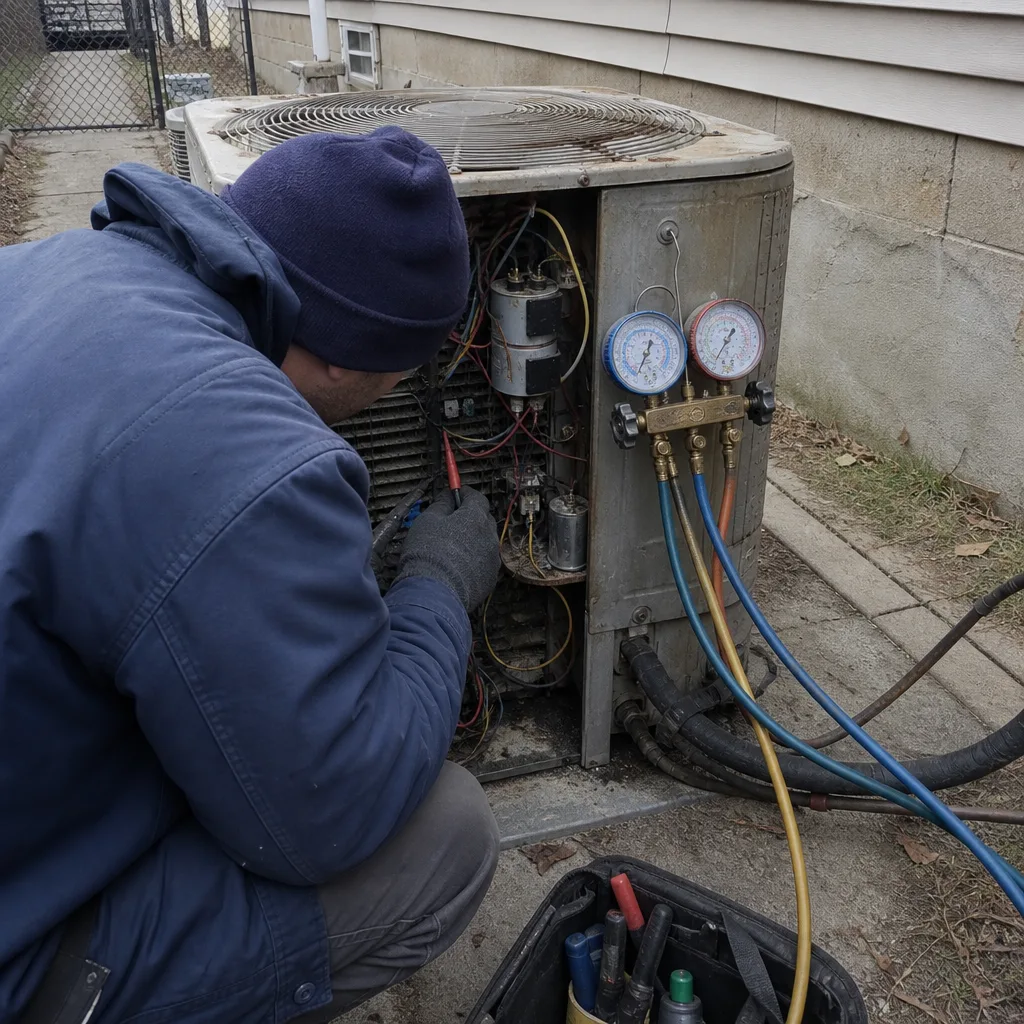 Before
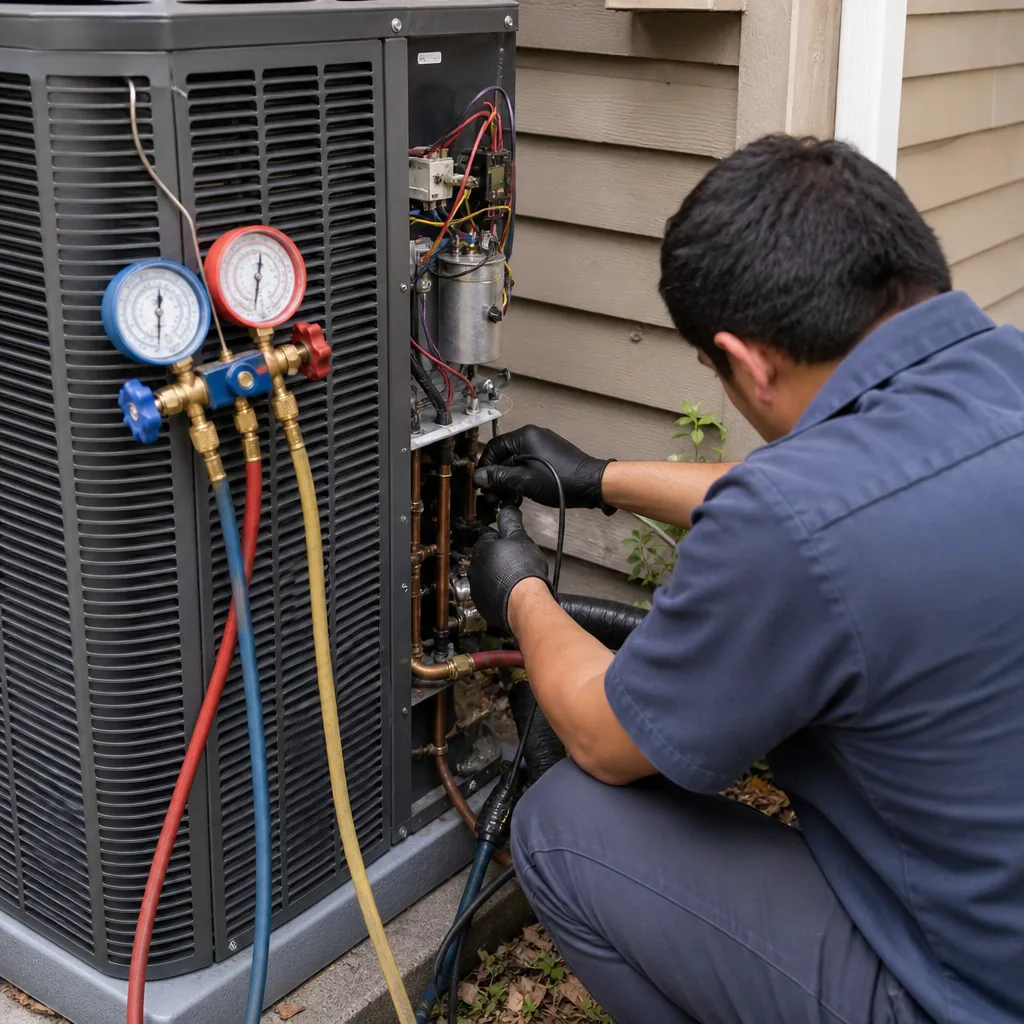 After
After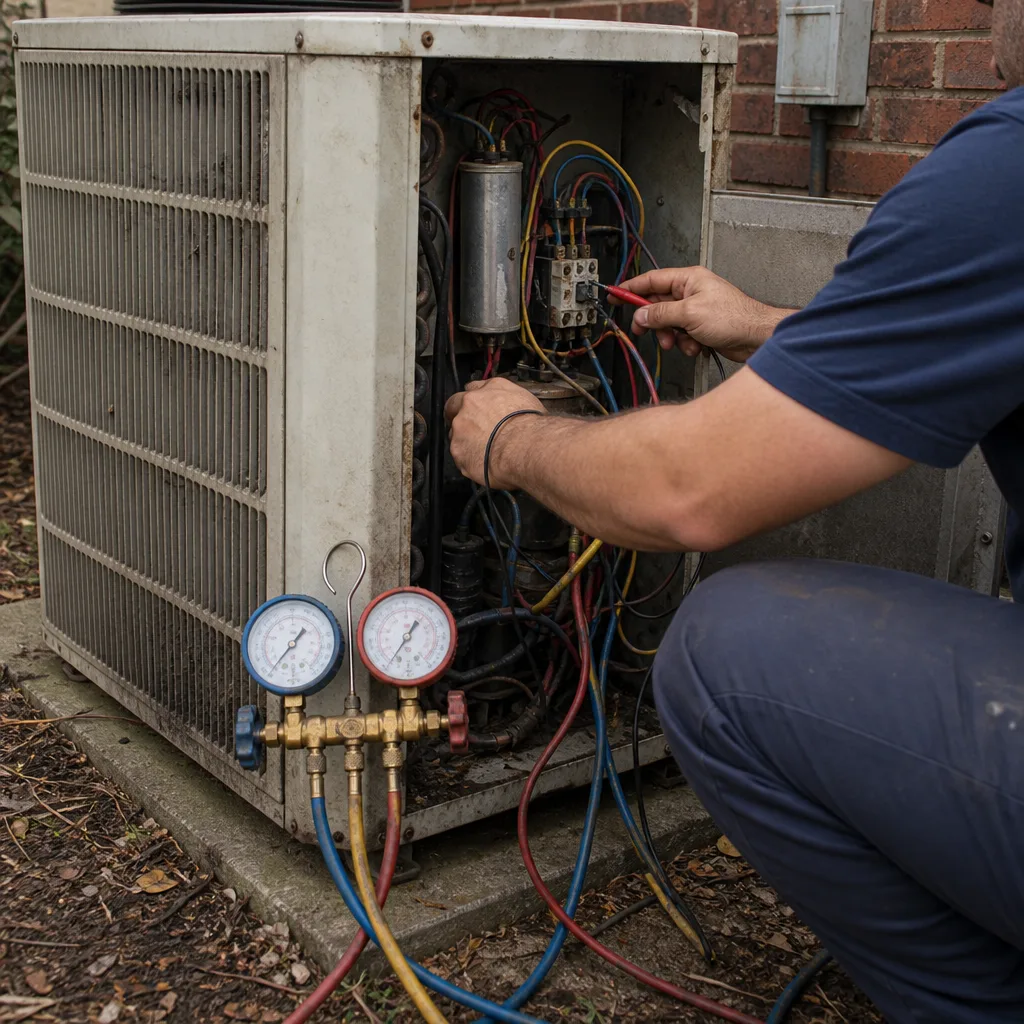 Before
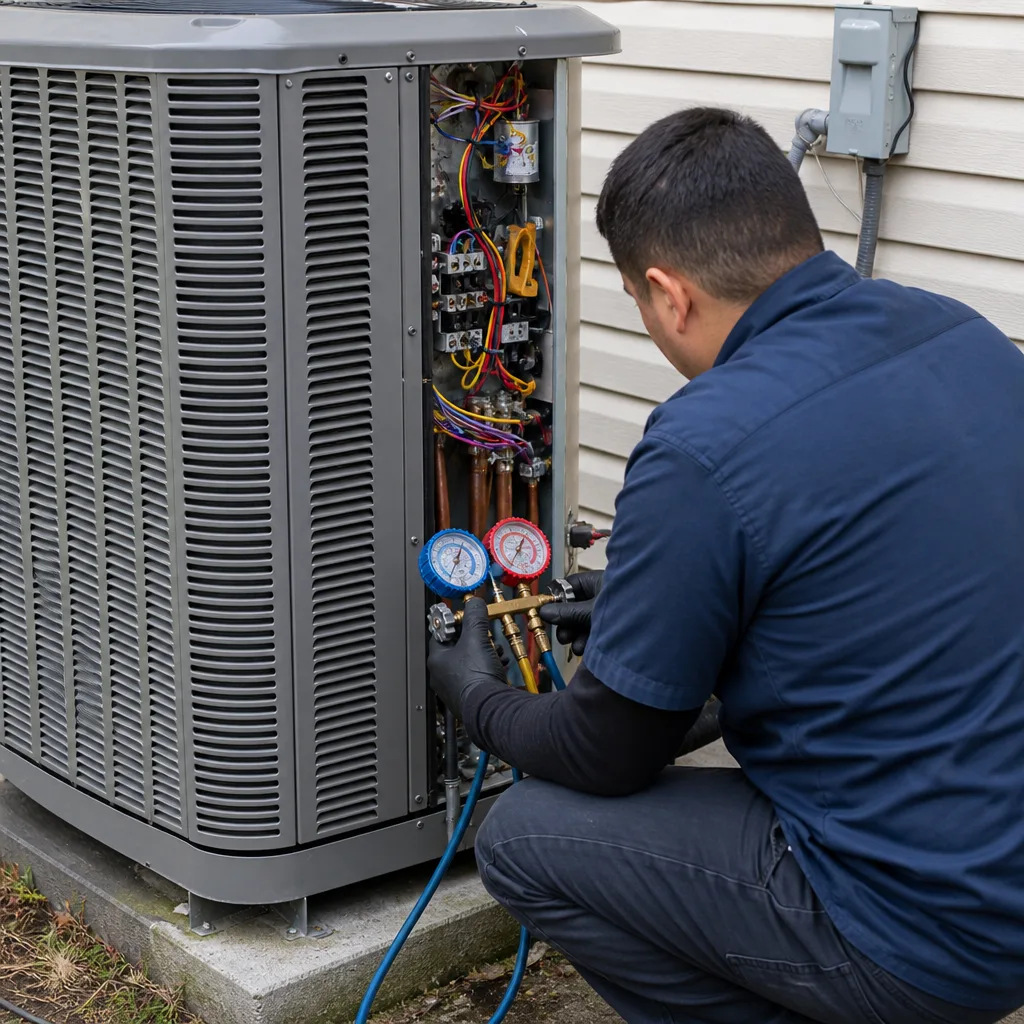 After
After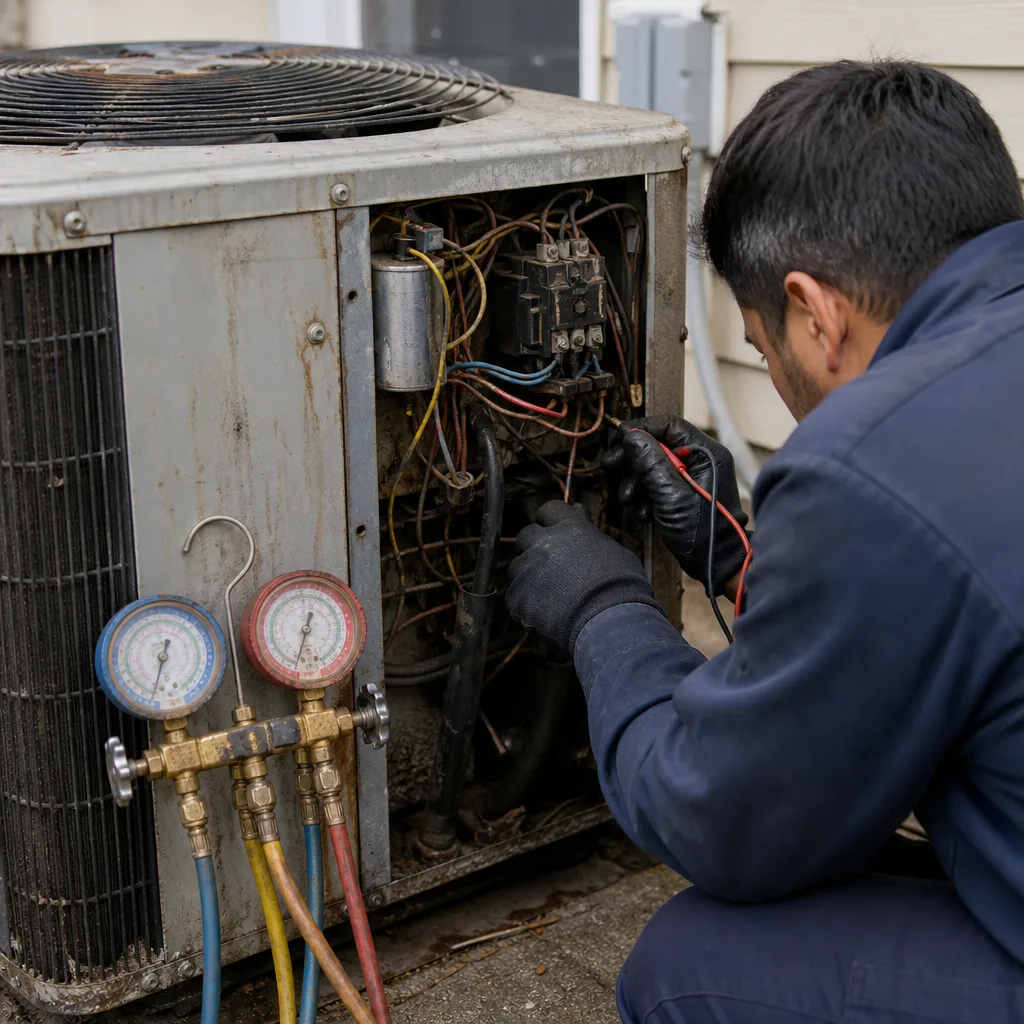 Before
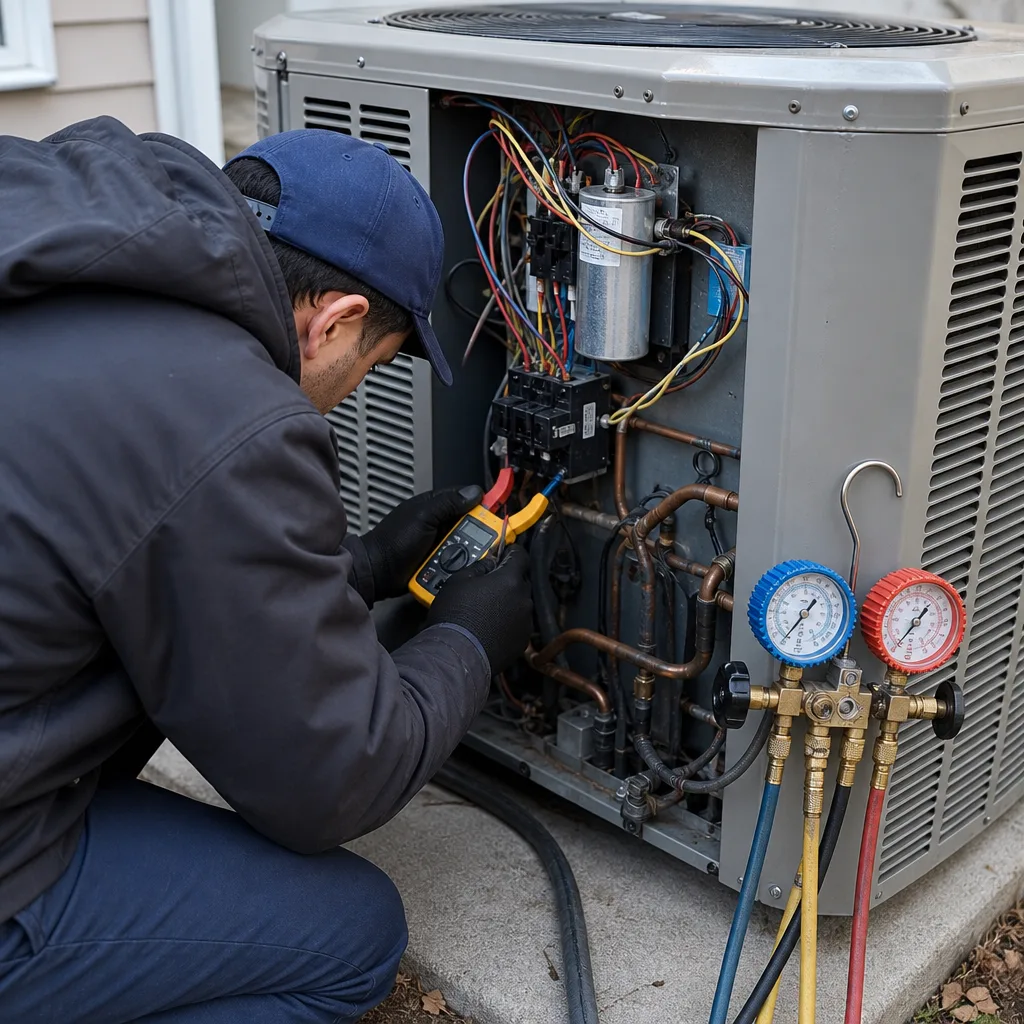 After
AfterWhen to Call a Professional
If you’re planning any HVAC installation, replacement, or significant repair in Queens and the contractor cannot answer the permit questions in this guide, that’s your signal to stop and reassess. Certain situations demand an experienced set of eyes: installing a furnace in a landmarked district, converting fuel types in an attached home, replacing equipment in a co-op or condo with building-specific filing requirements, or correcting work that was done previously without a permit. In all these cases, bringing in someone who files in Queens regularly is worth the call. Brandt HVAC Co Queens offers free estimates in Queens, and we’ll tell you upfront exactly what permits your job requires. Call (845) 328-4955 and a live person will answer, any time of day. We also handle AC Maintenance in Queens with the same uniformed, background-checked technicians we send to every job.
Frequently Asked Questions
Yes, in most cases you need a permit or DOB filing to replace a furnace in Queens. A same-type, like-for-like swap may qualify as an equipment filing, but if the unit’s BTU capacity, fuel type, or location changes, an Alt-2 filing is required, along with a separate gas work filing. Verify the filing on the DOB NOW portal before work starts. Call (845) 328-4955 if you want a straight answer on your specific situation, or browse more guides & resources on our blog.
HVAC permit and filing costs in NYC typically run between $700 and $2,400 all-in, including the DOB filing fee, the registered design professional’s fee, and any gas or electrical sub-filings. The DOB fee itself is often only $100 to $400; the professional preparation is the larger line item.
Yes. Go to the DOB NOW Public Portal on nyc.gov, enter your Queens address, and look under the Filings tab. Any Alt-1, Alt-2, or equipment filing associated with your address will appear with its current status. If no filing shows for work that was performed, none was pulled.
Unpermitted HVAC work can void an insurance claim, delay or derail a home sale, and require you to expose finished walls, floors, or ceilings for a late inspection. You may need to hire a registered design professional to prepare an after-the-fact filing. The fix is always more expensive than the original permit.
Yes, installing a ductless mini-split in Queens requires an electrical permit at minimum, and most installations also require an Alt-2 mechanical filing because you’re adding new equipment and penetrating the building envelope for the line set. The exterior condenser location can trigger additional review in landmarked areas.
A typical residential HVAC filing in Queens takes one to three weeks from filing to approval for standard Alt-2 jobs. Alt-1 jobs with more extensive review can take four to eight weeks. A good contractor will give you a realistic timeline before the work starts and won’t promise an inspection date the DOB hasn’t confirmed.
The Bottom Line
HVAC permits in Queens are not paperwork for paperwork’s sake. They are the difference between work that protects you and work that creates liability. The costs are modest: a few hundred dollars in fees and some professional preparation time. The alternative, unpermitted work discovered by an insurance adjuster, a title search, or an inspector who needs to see what’s behind a finished wall, can cost thousands and follow you for years. Ask the five questions in this guide, check the DOB NOW portal, and keep your signed filing in your records. That’s how you protect a home in Queens.
Written by Devin Marlowe, Owner at Brandt HVAC Co Queens, serving Queens since 2003.