
Last updated October 16, 2026
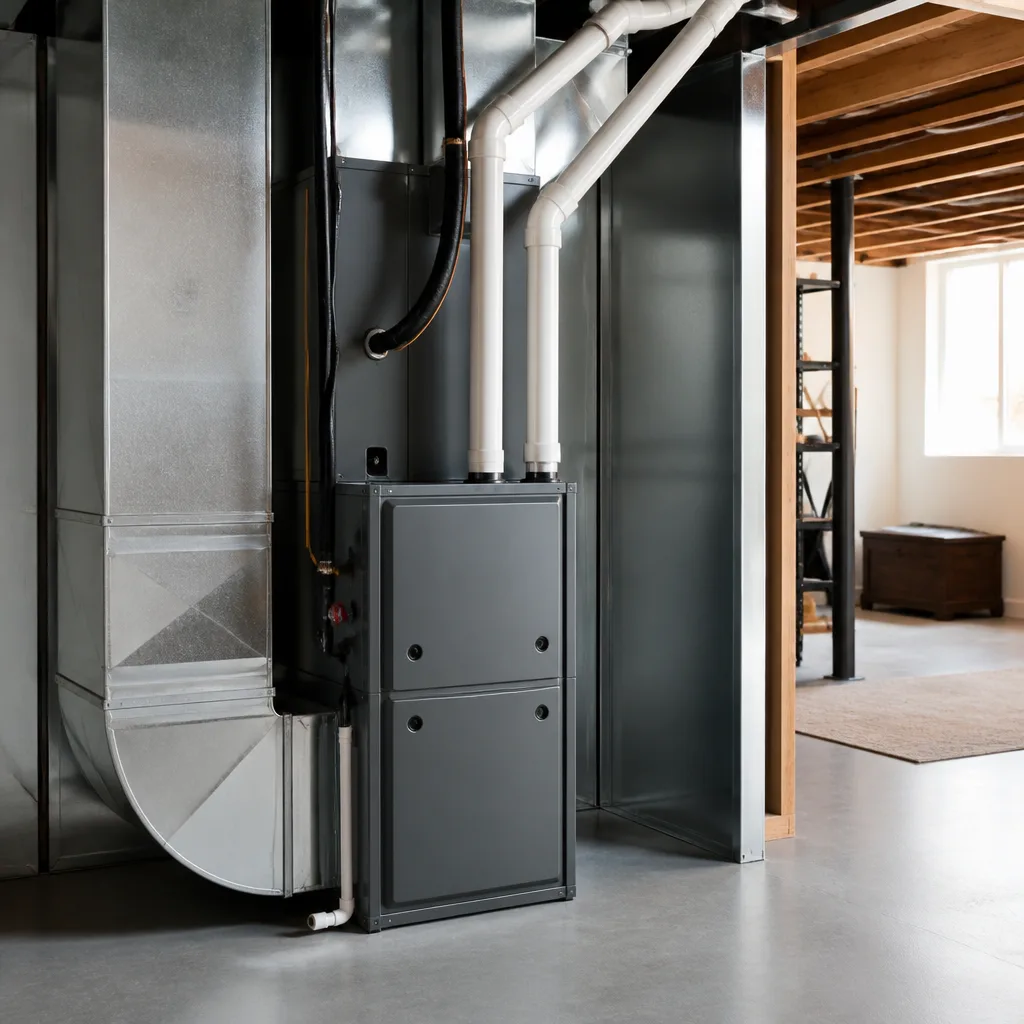 Furnace & heating
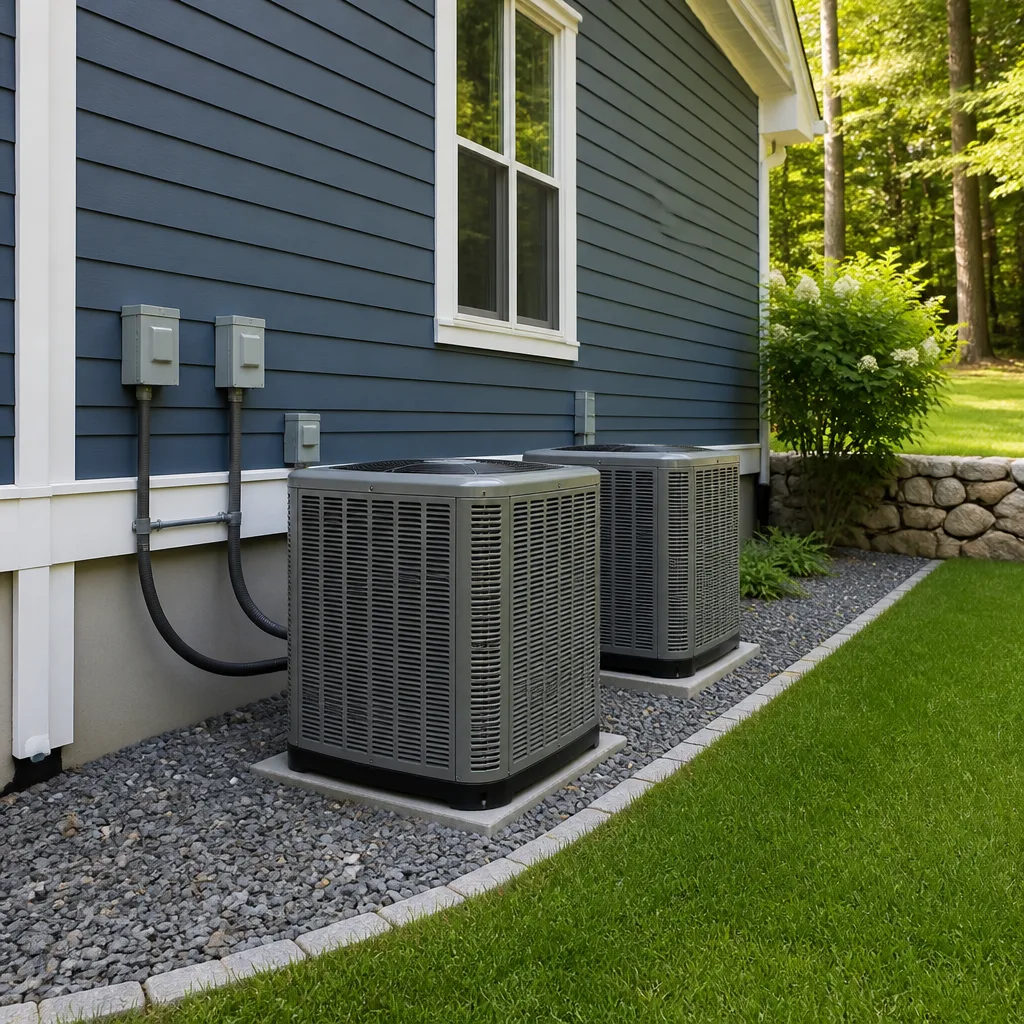 Heat pumps
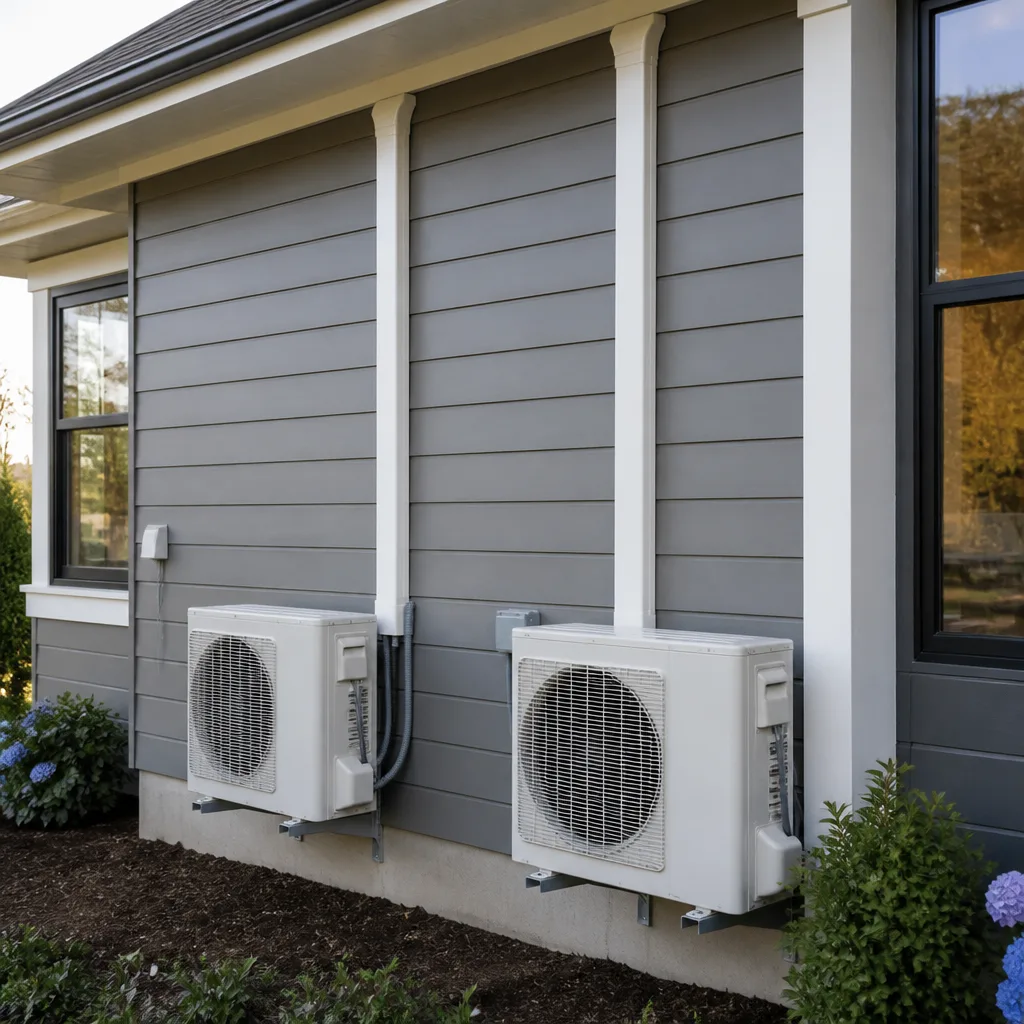 Ductless mini splits
 Carrier
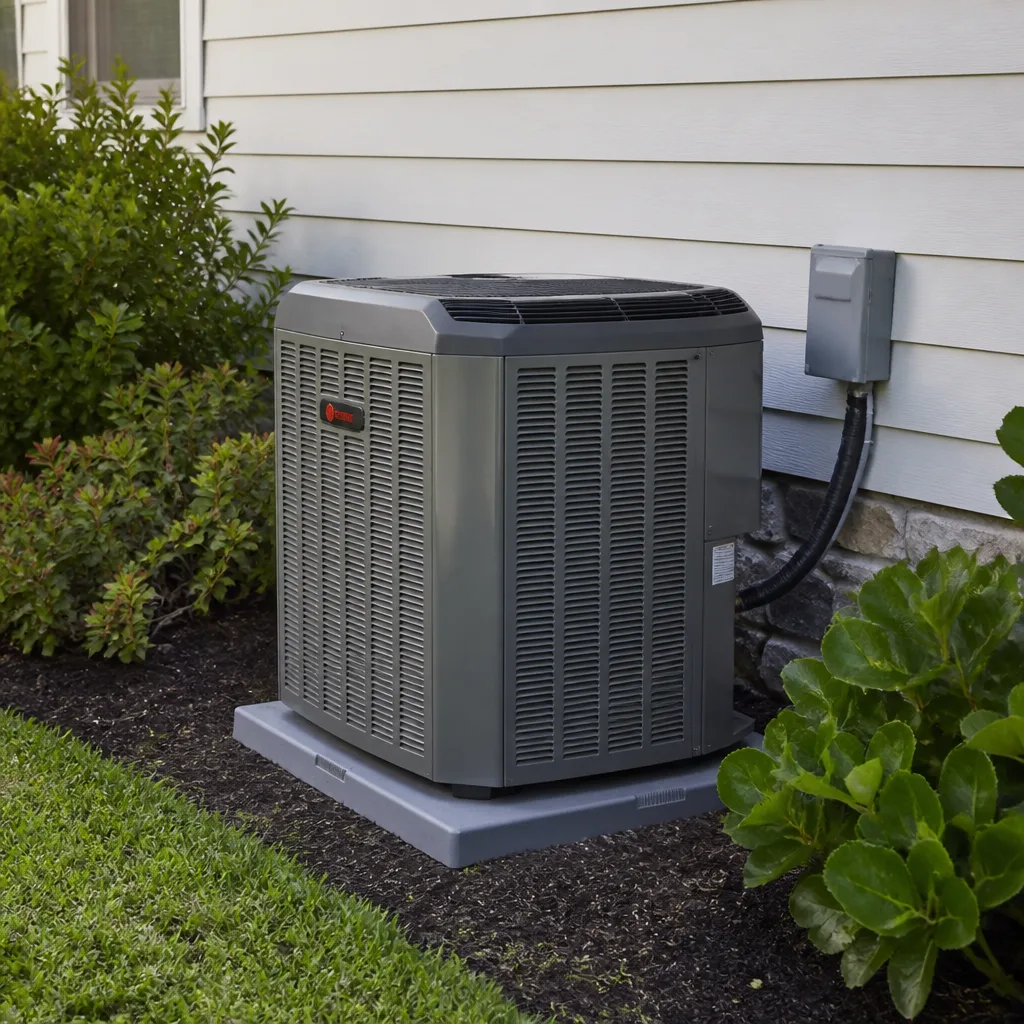 Trane
Trane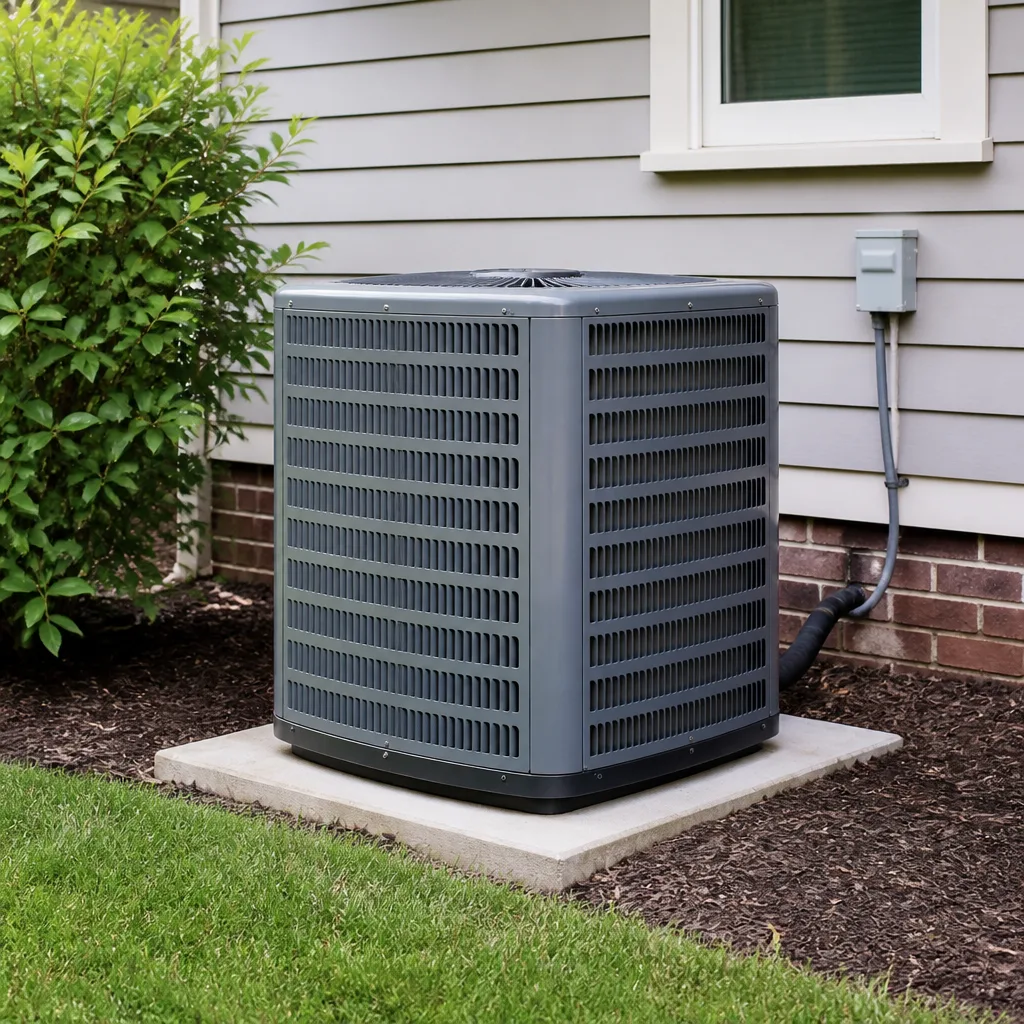 Goodman
Seasonal tune-up and full diagnostic on your Carrier, Trane, or Goodman system - readings shown to you before any repair is proposed
Diagnosis first, numbers second - you approve the repair price before a single part goes in.
Get your free estimateAC Repair Maintenance Checklist for Queens Homeowners
A condenser unit sitting on a south-facing rooftop in Flushing absorbs more radiant heat from surrounding buildings than the same unit in a suburban backyard, yet every generic checklist treats them identically. That’s the core problem with most maintenance advice you’ll find online. It’s written for a national audience and ignores what actually degrades AC systems in Queens: salt-laden air near the waterfront, vibration stress in attached homes, and a dense urban heat island that pushes outdoor units harder than their factory ratings assume. This guide is different. It’s built around the specific failure patterns we see across the borough, from the Rockaways to Astoria, and it tells you exactly what to inspect, what to document, and when to call our AC Repair services team.
Quick Answer
An AC maintenance checklist for Queens homeowners should include monthly filter checks, seasonal condenser coil cleaning, a drain line flush every spring, verification of window unit sleeve slope and vibration mounts, and a documented inspection of refrigerant pressures and electrical connections by a licensed technician at least once per year. Because Queens has salt-heavy air near Jamaica Bay and Flushing Bay plus a pronounced urban heat island, coils here corrode faster and systems run hotter than they would in less dense parts of the metro area, so a coastal or dense-neighborhood home may need service twice per season instead of once. For a deeper look at these local factors, see The Complete Guide to HVAC in Queens.
Styles & brands we work with
Table of Contents
- Why Queens Degrades AC Systems Faster Than the Suburbs
- Window Units in Attached Homes: Sleeve Fit, Slope, and Vibration
- Coastal Corrosion: What Jamaica Bay and Flushing Bay Air Does to Coils
- The Queens Heat Island Effect and Service Intervals
- What a Homeowner Can Safely Check Themselves
- What a Licensed Tech Should Verify Every Visit
- Red Flags That a Maintenance Visit Was Skipped or Faked
- Brand-Specific Notes: Bryant, American Standard, Carrier, and Trane
Why Queens Degrades AC Systems Faster Than the Suburbs
If you’ve lived in Queens for more than a few summers, you already know the heat here sits differently. It’s not just the temperature reading. It’s the way heat radiates off brick facades, concrete sidewalks, and asphalt rooftops hours after the sun goes down. The National Weather Service records lower overnight cooling in Queens compared to surrounding counties because the borough’s building density traps daytime heat. For your AC, that means the outdoor condenser unit keeps working against elevated ambient temperatures well into the evening. A unit rated to shed heat at 95 degrees may be operating at 105 or 110 degrees on a July night in Jackson Heights or Elmhurst. That shortens the life of the compressor and stresses capacitors, contactors, and fan motors more than a suburban unit ever experiences.
Then you add the salt factor. Homes within a mile or two of Jamaica Bay, Flushing Bay, the East River, or the Atlantic side of the Rockaways get airborne salt spray and chloride-heavy humidity. Salt accelerates corrosion on aluminum fins and copper tubing. We regularly inspect units in Howard Beach, Broad Channel, and Far Rockaway where coil fins have turned brittle and flaky within three to four years, while the same model inland lasts twice as long. Our Brandt HVAC Co Queens home service area spans all of these microclimates, which is exactly why a generic maintenance checklist doesn’t work here. You need a checklist that accounts for where your building sits and how it’s constructed.
Window Units in Attached Homes: Sleeve Fit, Slope, and Vibration
A huge portion of Queens housing stock is attached: brick row houses, semi-detached two-families, and prewar co-ops with through-the-wall sleeves rather than central air. Window and sleeve units in these buildings fail for reasons that have nothing to do with refrigerant. They fail because of how they sit in the opening. When a unit doesn’t slope slightly toward the outside, condensation pools in the pan, breeds mold, and eventually drips down the interior wall. When the sleeve has gaps around it, hot outside air and humidity leak in around the unit, forcing it to run longer. And when the unit isn’t mounted with vibration isolators or dense foam blocks, the compressor’s vibration transfers into the wall, loosens internal solder joints, and drives neighbors in attached homes crazy enough to file noise complaints.
What to check on any window or sleeve unit in a Queens attached home:
- Sleeve fit: There should be no visible daylight around the sides or top of the unit inside the sleeve. Gaps larger than a quarter inch should be sealed with closed-cell foam or an OEM sleeve kit, not fiberglass insulation, which absorbs moisture.
- Drainage slope: The rear of the unit should sit roughly a half-inch lower than the front. On a sleeve, use a level. On a window unit, check that the mounting brackets tilt the back down slightly.
- Vibration mounts: Look for rubber pads, isolation feet, or dense foam blocks between the unit chassis and the sleeve or sill. If the unit rests metal-on-metal, that vibration is working its way into the wall and the unit’s internal piping.
- Condensate drain path: On humid days, water should drip from the rear exterior of the unit. If it doesn’t, the pan may be cracked, blocked, or sloped the wrong way.
- Mounting integrity: In prewar buildings with soft window frames, check that the support brackets haven’t pulled loose from the sash or sill. A heavier modern replacement unit can overwhelm original wood frames.
These checks take fifteen minutes and cost nothing. They prevent the most common window-unit failures we see in neighborhoods like Ridgewood, Woodside, and Sunnyside, where the housing stock is older and the windows weren’t built for modern AC weights.
Coastal Corrosion: What Jamaica Bay and Flushing Bay Air Does to Coils
Salt is an HVAC system’s slow poison. In Queens, the biggest corrosion zones are within about one to two miles of Jamaica Bay’s northern shore, Flushing Bay, and the Atlantic coastline from Belle Harbor through Breezy Point. But we’ve also documented accelerated corrosion along the East River corridor in Long Island City, Astoria, and Hunters Point, where older housing stock sits close to the water and older condenser units have thinner fin coatings than newer models.
Here’s what happens, step by step, and it matters because you can see it early if you know what to look for:
- Fin coating breaks down. Most condenser coils have a thin factory coating to resist corrosion. Salt spray and chloride-heavy condensation eat through that coating within two to five years in coastal Queens.
- Aluminum fins begin to corrode. You’ll see white or gray powder on the fins, or fins that crumble when touched lightly. That’s advanced corrosion.
- Copper tubing is exposed. Once fins corrode away, the copper U-bends and tube sheets are exposed to the same salt air. Copper corrodes green, then develops pinholes.
- Refrigerant leaks begin. Pinhole leaks are small enough that the system keeps running but slowly loses charge. Efficiency drops, runtime increases, and the compressor runs hotter.
- Compressor failure becomes likely. A compressor running against a leak and reduced airflow dies years earlier than it should. This is the terminal stage of salt corrosion.
- Fin condition: Are the fins silvery and crisp, or dull, flaking, and powdery? Brush a fingertip gently across a small area (with the unit off). If fins crumble, corrosion is advanced.
- Coil color: Look at the copper U-bends at the coil’s edge. Bright copper is normal. Dark brown is age. Green or white crust is active corrosion.
- Coil coating: Many coastal HVAC companies in Queens now recommend an aftermarket anti-corrosion coil coating for new or replacement systems. It won’t stop corrosion forever, but it can add several years of service life to a unit within a mile of salt water.
- Drain pan condition: Salt-laden condensation also corrodes plastic and metal drain pans faster. Look for cracks or mineral buildup.
- Dense, high-rise-heavy neighborhoods (Flushing, LIC, Jackson Heights, Elmhurst, Corona, Jamaica): Service your condenser and evaporator twice per cooling season. Once in April or May before the season, once in July or August at peak load. The mid-season visit catches capacitor and contactor wear before it becomes a no-cooling call during a heat wave.
- Moderate-density neighborhoods (Forest Hills, Rego Park, Kew Gardens, Woodside, Astoria): Once per season is usually adequate for systems under ten years old. Older systems benefit from a mid-summer check as well.
- Lower-density, greener neighborhoods (Bayside, Little Neck, Douglaston, Hollis Hills, parts of the Rockaways): Standard annual service is fine for most residential systems, unless the unit is within a mile of salt water.
- Filter condition. Check your filter on the first of the month, every month, from May through September. Hold it up to a light. If you can’t see light through it, it’s done. In Queens, with construction dust, street debris, and older buildings, filters clog faster than the manufacturer’s “every 90 days” guidance. Most window units use a washable mesh filter that can be rinsed and dried. Central systems use disposable or reusable media filters. A clogged filter is the single most common cause of reduced cooling, frozen coils, and blower motor strain. This one item causes more Queens service calls than anything else we see.
- Drain pan and condensate line. For central systems, find the indoor air handler (usually a closet, basement, or attic). The drain pan sits underneath the coil. It should be dry or nearly dry when the system has been off for a while. If it’s full of water, the drain line is clogged. For window units, water pooling under the unit or staining down the interior wall means the slope is wrong or the drain holes are blocked.
- Thermostat calibration. Put a small digital thermometer near the thermostat and compare readings over an hour. A mismatch of more than 2 degrees means the thermostat needs calibration or replacement. This is especially common in older Queens homes where the thermostat is original to a 1990s system and the sensor has drifted.
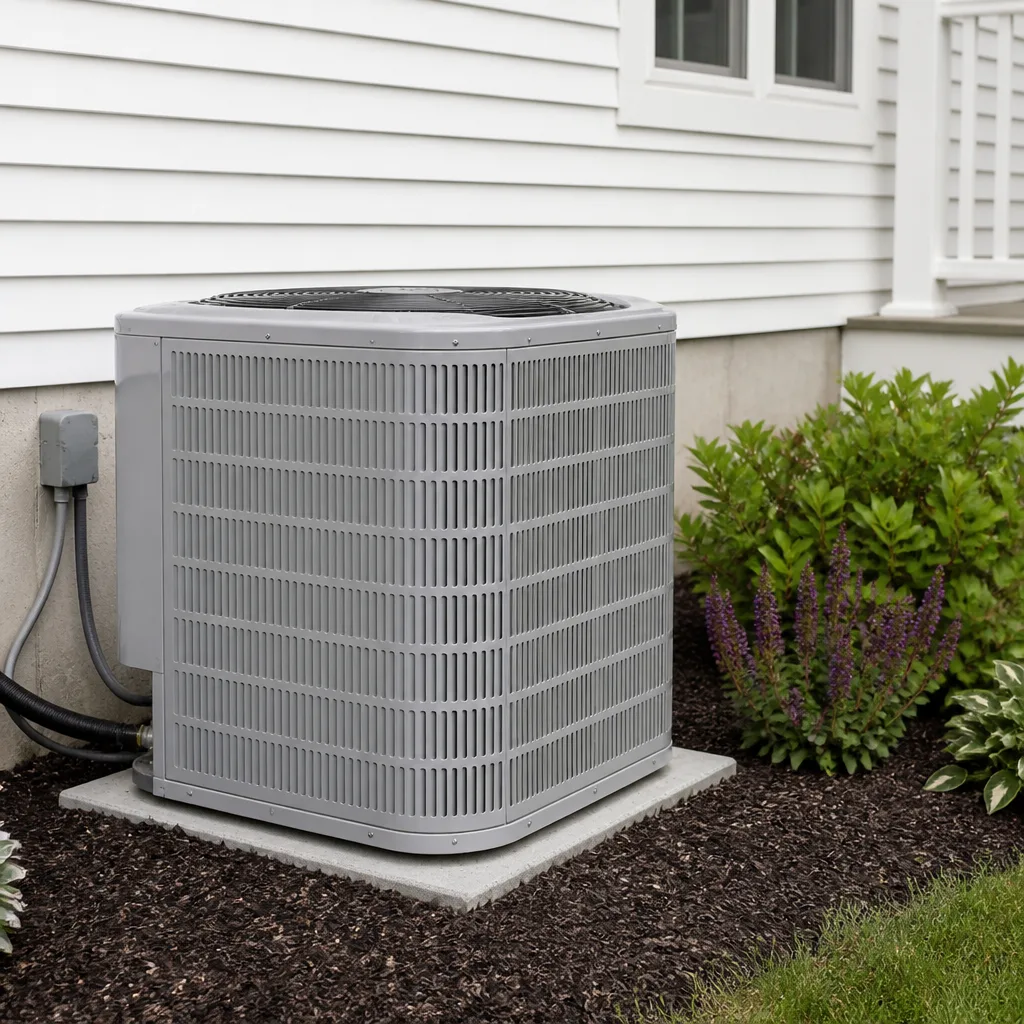
- Outdoor unit clearance. Check the area around your condenser. There should be at least 18 to 24 inches of clear space on all sides. In Queens yards, patios, and rooftops, condensers get boxed in by stored furniture, planters, bicycles, and construction debris. Blocked airflow is a slow killer of compressors.
- Audible changes. Stand near the unit while it’s running. You should hear a consistent hum from the compressor and a steady whoosh from the fan. Hissing, buzzing, clicking that repeats, or a fan that stutters on startup all indicate a problem that needs a technician. The clicking that repeats every ten or fifteen seconds is often a compressor trying to start against a failed capacitor, and running it that way for weeks will destroy the compressor.
- Refrigerant pressure and subcooling/superheat. The tech should connect gauges and compare readings to the manufacturer’s specified pressures for the current outdoor temperature. Refrigerant that’s even 15 percent low reduces efficiency by 20 percent or more. Most homeowners never know their system is undercharged until it stops cooling entirely.
- Electrical measurements. This includes a capacitor test under load, contactor inspection for pitting or sticking, and an amp draw reading on the compressor and fan motor. A capacitor that tests weak should be documented, with a recommendation for replacement before it fails.
- Coil inspection and cleaning. Both the outdoor condenser coil and indoor evaporator coil should be inspected. If the condenser coil is dirty, it should be cleaned with a proper coil cleaner, not just hosed off. A dirty evaporator coil is often the result of a filter that’s been neglected, and it should be documented.
- Drain line flush and treatment. The condensate drain line should be flushed with water or compressed air, and an algaecide tablet or strip placed in the pan. In Queens, where basements are common and drain lines run through finished spaces, a clogged drain line causes water damage, not just AC failure.
- Fan motor and blade inspection. The condenser fan blade should be checked for balance and the motor checked for bearing wear. An out-of-balance blade vibrates the entire unit and leads to premature motor failure.
- Temperature split measurement. The tech should measure the temperature difference between the return and supply air. A properly functioning central AC unit in good condition delivers a 16 to 22 degree split. A split below 15 degrees usually means low refrigerant, a dirty coil, or a failing compressor.
- Safety and mounting check. On rooftops and through-wall sleeves in Queens, the tech should verify the unit is level, properly supported, and not vibrating against the building structure.
- No written report. If you don’t get a document with actual readings, numbers, and photos, the visit wasn’t a real maintenance inspection. You paid for an opinion, not a service.
- No gauge readings. A tech who never opens the gauge manifold to check refrigerant pressure didn’t do the maintenance you paid for. This is the single most common skipped step, and it’s the one that catches undercharged systems before they fail.
- Visit under 30 minutes. A complete maintenance visit on a central system takes at least 45 to 60 minutes when done properly: coil inspection and cleaning, electrical testing, drain line flush, temperature measurements, and documentation. A 10-minute visit is a filter swap and a wave goodbye.
- No outdoor unit cleaning. If the condenser coil was visibly dirty before the visit and still dirty after, ask what was cleaned. Some techs won’t spend 20 minutes on coil cleaning when they can move to the next call. That’s a profit decision, not a service decision.
- Handwritten scribble instead of a report. A piece of paper that says “checked system, OK” with a signature is not documentation. It’s proof someone was there, not proof they did anything.
- No photo of the work. Real maintenance visits include photos of the coil before and after, the drain line, and the electrical readings. If the company can’t show you what they found, they probably didn’t find anything.
- Pressure to replace before testing. A tech who wants to sell you a new system before doing a full diagnostic is selling, not maintaining. A real tech will test first and recommend replacement only when the numbers say replacement is cheaper than repair.
What to inspect each spring if you live near the water:
If you spot fin corrosion early, a technician can sometimes clean and apply a protective coating before the damage reaches the copper tubing. If the copper is already pitted, a coil replacement is usually cheaper than replacing the entire condenser. For a full diagnostic, AC repair in Queens starts with a written price before any work begins.
The Queens Heat Island Effect and Service Intervals
Queens has one of the most pronounced urban heat island profiles in New York City. The densest corridors, including Flushing, Corona, Jackson Heights, Elmhurst, and Jamaica, routinely record overnight temperatures 5 to 9 degrees higher than less dense parts of the borough like Bellerose, Little Neck, and Douglaston. For your air conditioner, that means the system doesn’t get a proper overnight recovery period during summer heat waves. The condenser keeps radiating heat into an environment that never fully cools down, and the compressor’s operating temperature stays elevated for days at a time.
The practical implication is simple: a maintenance schedule built around “once a year in the spring” may not be enough for a central or ductless system in a dense Queens neighborhood. Our recommended intervals, based on what we see in the field:
The reason mid-season service matters in dense neighborhoods is electrical. Heat drives up the resistance in capacitor windings and ages the dielectric in contactors. These are exactly the parts that fail on the hottest day of the year, and they fail more often in buildings where surrounding structures block wind and trap heat around the condenser. A mid-July check with a capacitor test under load identifies a weakening capacitor before it pops, saving you a three-day wait for a repair during peak season. That’s not upselling. That’s just how capacitors work.
What a Homeowner Can Safely Check Themselves
You don’t need a license to do the most important monthly work on your AC system. You need a flashlight, a minute of time, and the willingness to look at things most people ignore. For DIY vs Professional HVAC: The Queens Homeowner’s Decision Guide, this section covers what you can safely handle yourself. These are the items you can safely verify yourself without opening the electrical panel or touching the refrigerant lines. We’re going to be direct here: do not open the electrical access panel on your condenser or air handler. Capacitors inside that panel store voltage even after the unit is shut off, and a shock from a charged capacitor is a serious injury. The items below are all visual or simple mechanical checks that stay outside the electrical enclosure.
These checks take fifteen minutes a month and will catch roughly 70 percent of the issues that eventually lead to a paid repair call. Do them on the first of every month, even in seasons when the AC isn’t running. A unit that sits through a damp Queens fall and winter with a saturated filter or blocked drain is harder to start in the spring.
What a Licensed Tech Should Verify Every Visit
A real maintenance visit is more than a filter change. It’s a documented inspection with actual measurements. If you’re paying for maintenance, you should know what a complete visit includes and what documentation you should receive. Here’s the checklist we use, and what we believe any licensed tech in Queens should be checking on every visit:
After the visit, you should receive a written report with actual numbers: refrigerant pressures, amp draws, temperature split, capacitor readings. A maintenance visit that ends with “looks good” and no documentation isn’t a real visit. For a documented seasonal inspection, AC maintenance in Queens through Brandt includes everything listed above, with a written report after every call.
Red Flags That a Maintenance Visit Was Skipped or Faked
Most homeowners can’t tell a real maintenance visit from a fake one, because they don’t know what the numbers should look like. That’s the uncomfortable truth. We hear about it constantly from customers who switched from another company after years of “maintenance” visits that lasted eight minutes and produced no paperwork. Here are the specific red flags:
One thing that protects you here: ask for the report before the tech leaves. If the company can’t produce a written document with actual readings, don’t pay the invoice as if maintenance was performed. A maintenance visit is a professional service with a standard of care. You deserve documentation of what was checked and what was found.
Brand-Specific Notes: Bryant, American Standard, Carrier, and Trane
Every major residential HVAC brand has its own maintenance quirks, and Queens homeowners ask us about brand reliability constantly. Here’s what matters for maintenance on the brands you’re most likely to have in your home, and what we see in the field across the borough:
Bryant systems are common in Queens co-op conversions and two-family homes where builders wanted reliable mid-range equipment. The Evolution series has a communicating thermostat that stores fault codes and maintenance reminders. If your Bryant system has an Evolution controller, the maintenance history is in the thermostat itself, which makes it easy to check whether previous service actually happened.
American Standard units are known for strong compressors, but their aluminum Spine Fin coils require different cleaning than traditional copper-and-aluminum plate fins. High-pressure washing can flatten or tear Spine Fin coils. A tech needs to use the correct chemical cleaner and a gentle rinse. We see Spine Fin damage regularly on American Standard units in Queens where a previous tech used a pressure washer and caused hundreds of dollars in fin damage.
Carrier has the largest installed base in the borough, and the most common maintenance issue on Carrier systems is capacitor wear in the single-stage units that were installed in bulk during Queens construction booms in the 2000s and 2010s. If your Carrier is a single-stage model older than eight years, a mid-season capacitor check is cheap insurance against a heat-wave failure.
Trane systems in Queens skew toward newer ductless and high-efficiency installs in gut-renovated homes and new construction. Trane’s variable-speed systems are efficient but sensitive to dirty filters and dirty coils, because the inverter logic adjusts output based on readings that get thrown off by airflow restriction. A variable-speed Trane with a clogged filter can trip fault codes that look like compressor failures, when the real problem is a $15 filter.
Whatever brand you have, the maintenance principles are the same: check the filter, check the coil, test the electricals, document everything. The brand-specific notes above just tell you where that particular equipment tends to fail first. For furnace work when the season turns, our furnace repair in Queens service covers the heating side of your system with the same documentation and written-pricing standard.
Common Mistakes to Avoid
- Ignoring the filter because it “looks okay.” A filter that looks gray but still translucent has already lost significant airflow. In Queens, with its dust and debris load, replace or clean filters more often than the box says, not less.
- Blocking the condenser with “storage.” That empty space around your rooftop or patio condenser isn’t dead space, it’s the unit’s breathing room. Bicycles, planters, and seasonal furniture stacked against a unit in Astoria or Woodside will shorten its life.
- Running a window unit with the wrong slope. In attached homes, a unit that slopes into the room instead of toward the street is a mold and water damage liability. Check the slope every time you install or service the unit.
- Assuming annual service is always enough. In dense neighborhoods like Flushing and Jackson Heights, the heat island effect means annual service may not be enough. Watch for reduced cooling in July and schedule a mid-season check if the system runs longer than it did in June.
- Not documenting maintenance. If you have a maintenance visit and get no report, you’ve spent money without evidence of work. Ask for written documentation every time, from every company.
- Ignoring salt corrosion near the water. If you live within a mile of Jamaica Bay or Flushing Bay and your outdoor unit is over four years old, an annual coil inspection isn’t optional. Salt kills coils faster than time does.
- Trying to clean the condenser from the inside. Never remove the electrical access panel on a condenser. The capacitor inside can hold a dangerous charge even with the unit off. Coil cleaning from the outside is fine. Electrical work is not a DIY job.
See the difference
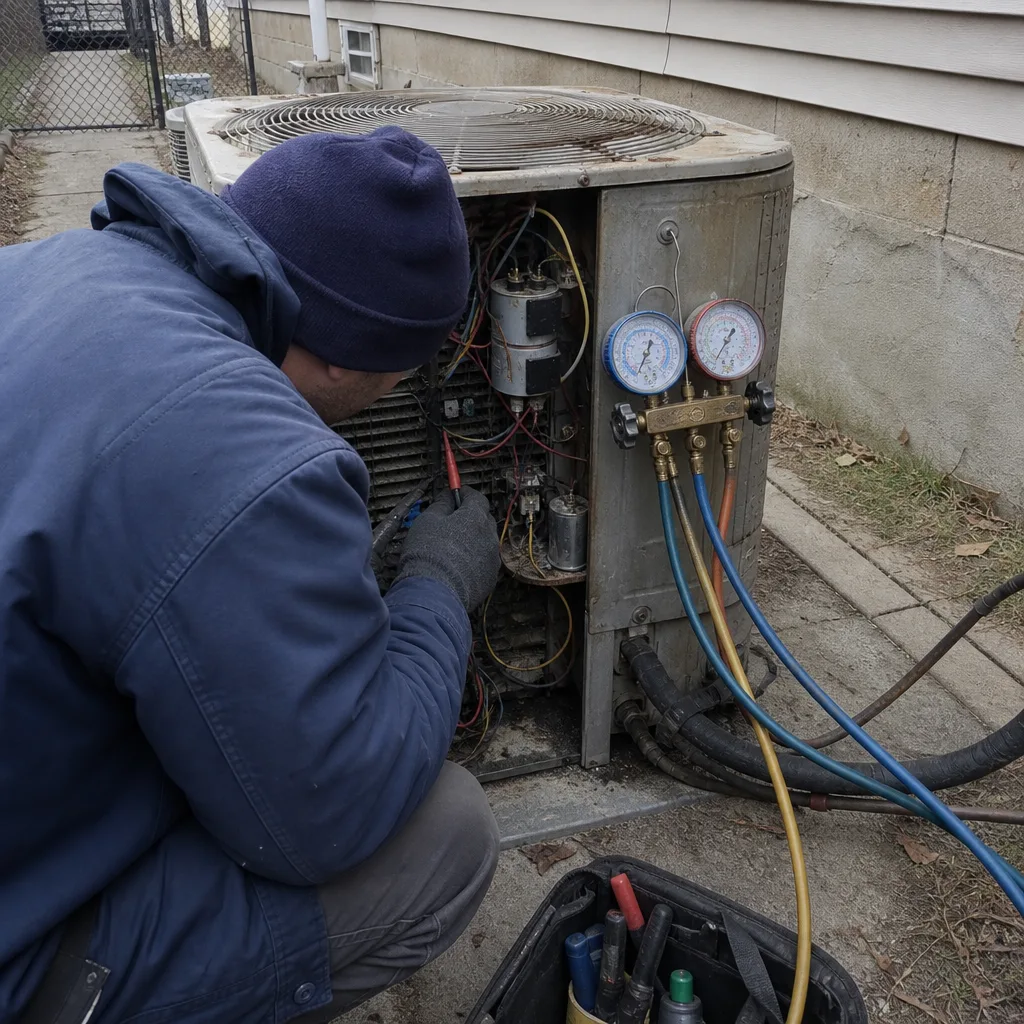 Before
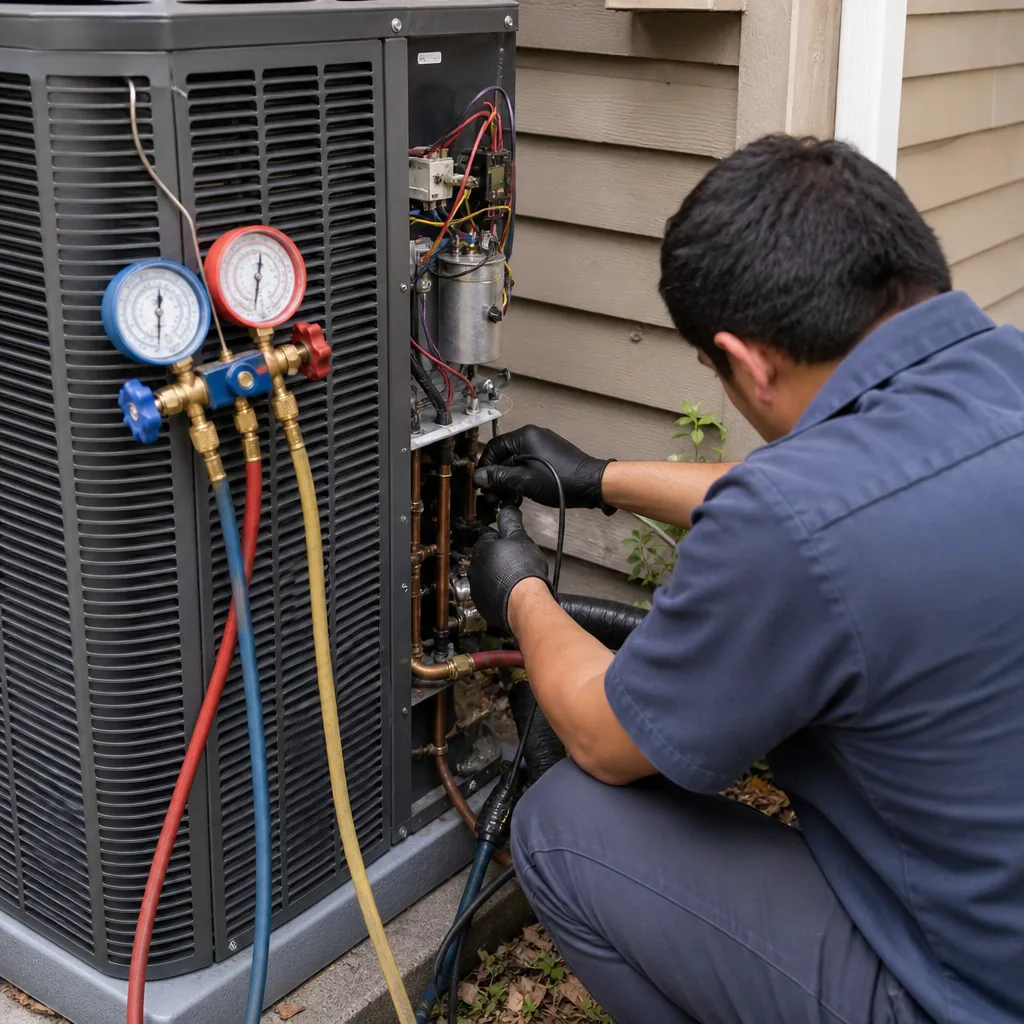 After
After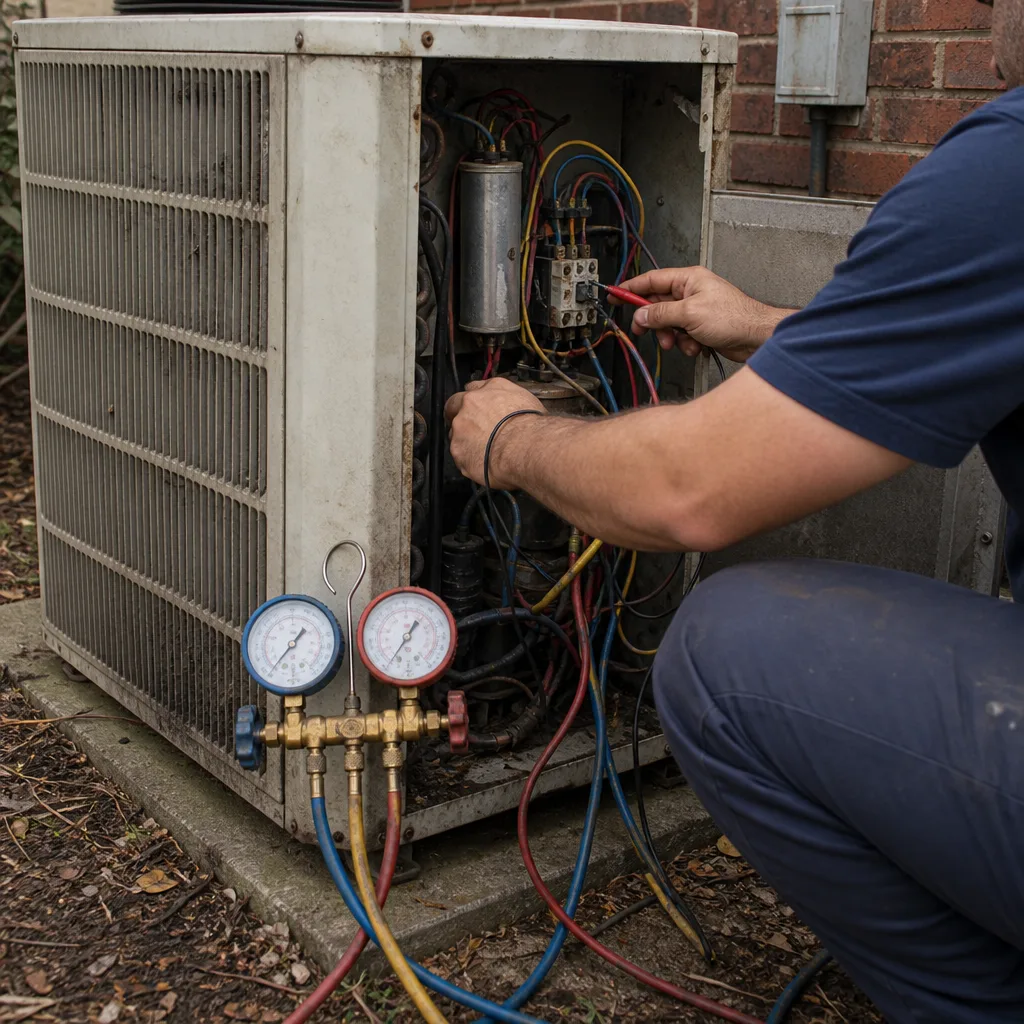 Before
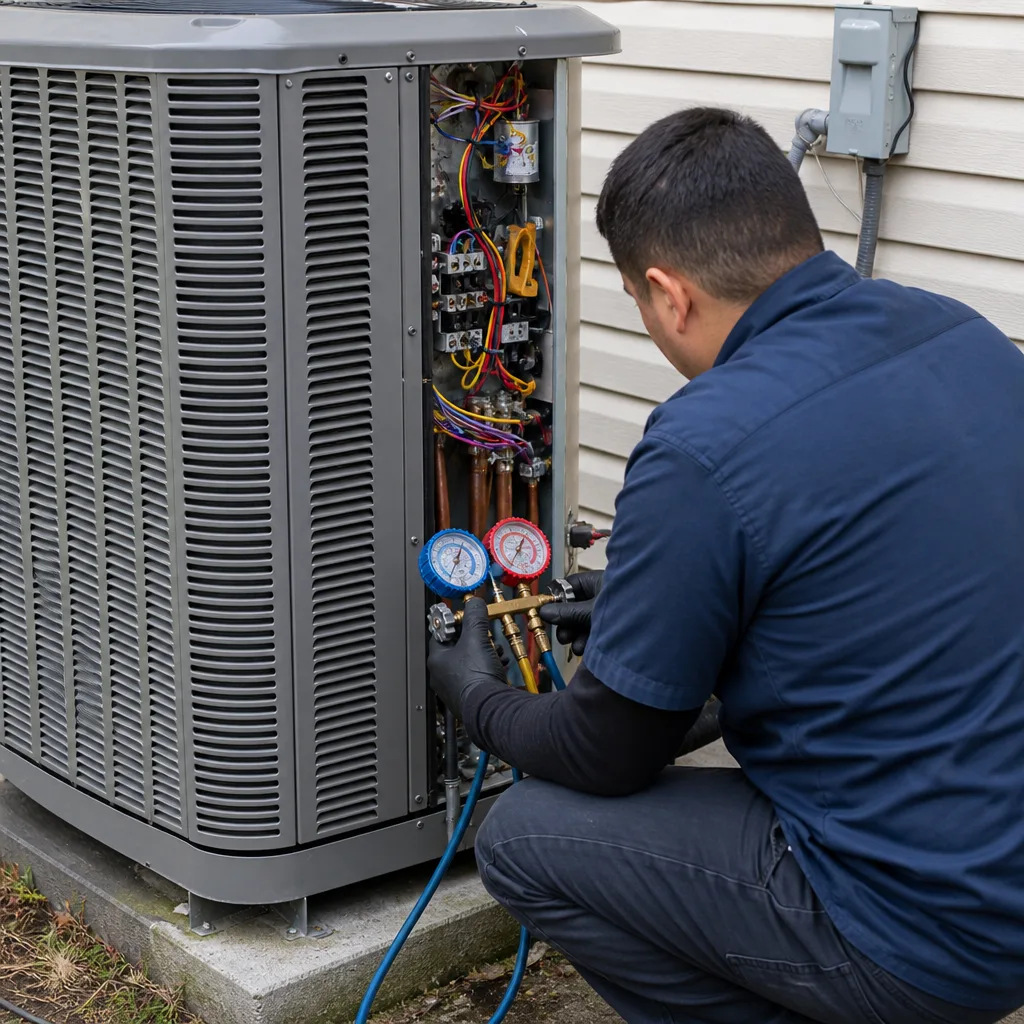 After
After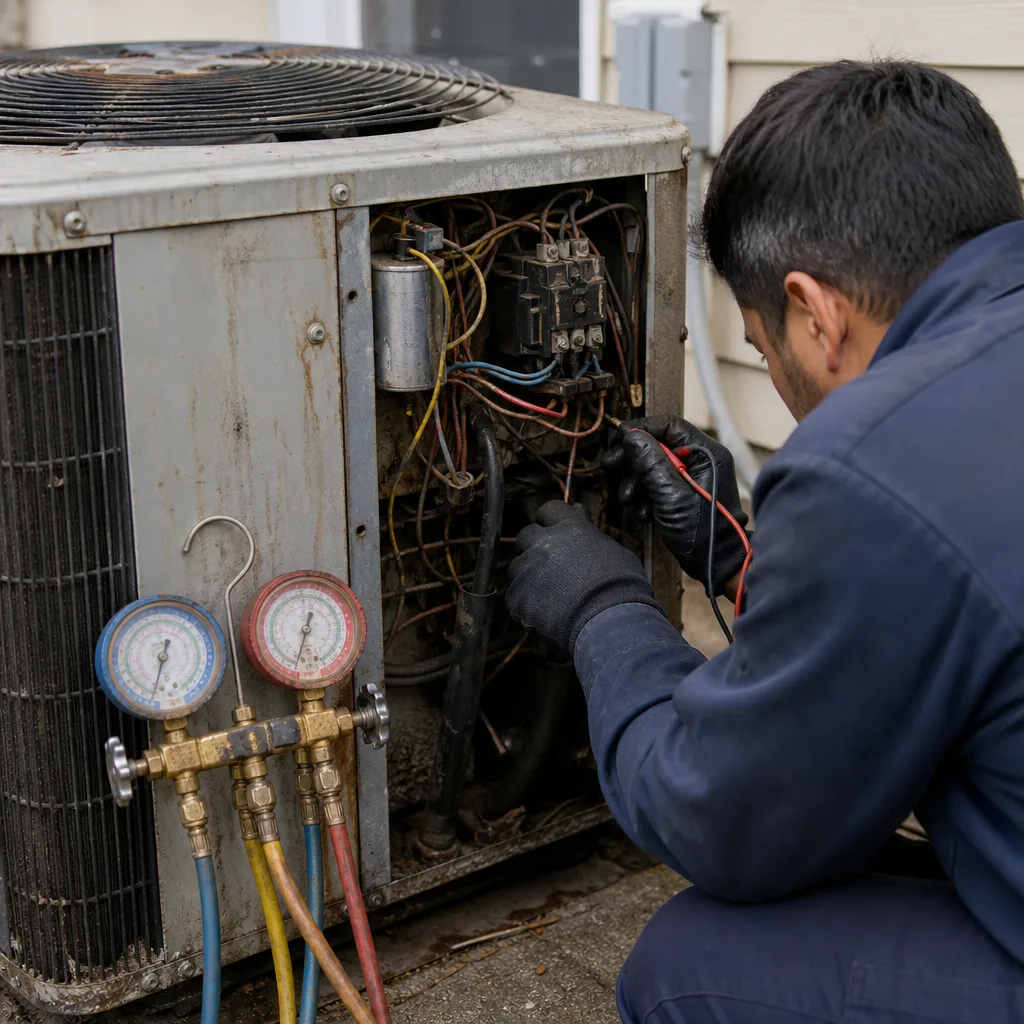 Before
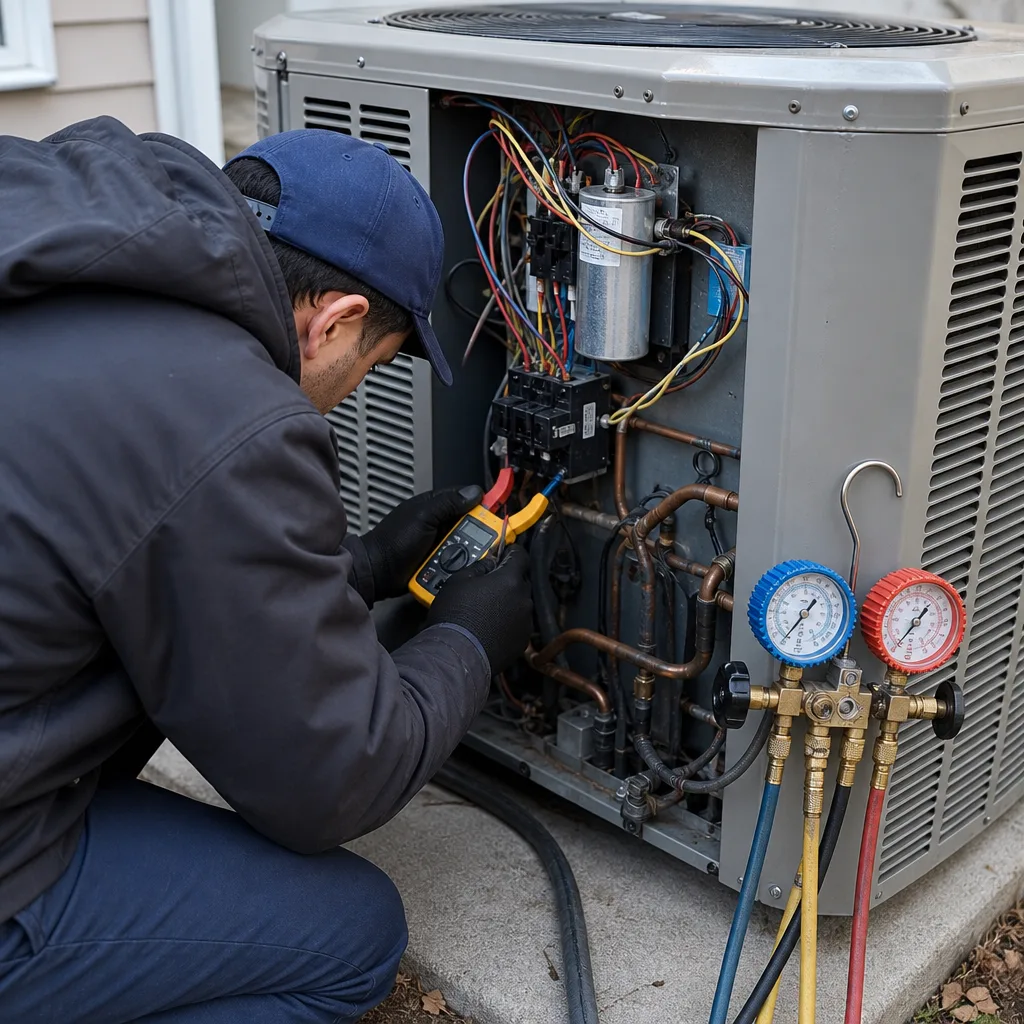 After
AfterWhen to Call a Professional
Some things on this checklist are safe to do yourself, and we’ve told you which ones. But there are clear lines. Call a professional when the system is short-cycling or running constantly without changing the indoor temperature, when you hear buzzing or repeated clicking from the outdoor unit, when you see green or white corrosion on the copper or aluminum coil surfaces, when water is pooling under the indoor unit or staining the wall below a window unit, or when the breaker for the AC trips more than once. None of these are things a homeowner should attempt to fix without training and proper equipment, and the electrical hazards inside a condenser are not worth the risk. Brandt HVAC Co Queens offers free estimates in Queens, and every call starts with a live person on the other end of the line, any hour of the day or night. Call (845) 328-4955. Our technicians are background-checked, arrive in uniform with photo ID, and you’ll know exactly who’s coming before they knock on your door. Every job gets a written price before any work starts, and every repair includes a written guarantee under the 365-Day Done Right Promise.
Frequently Asked Questions
In Queens, most central systems need a filter change every 30 to 60 days during cooling season, not the 90 days printed on the filter packaging. The borough’s construction dust, vehicle particulates, and older building stock mean filters load up faster than national averages. Check it monthly and change it when light no longer passes through it clearly.
Yes. Homes within roughly one to two miles of Jamaica Bay, Flushing Bay, the East River, or the Atlantic coast should have coil inspections at least twice per year because salt-laden air accelerates corrosion on aluminum fins and copper tubing. A coil coating is also worth considering if you’re replacing equipment in these areas.
A complete maintenance visit should include refrigerant pressure and subcooling/superheat readings, electrical tests including capacitor and contactor checks with actual amp draw numbers, coil inspection and cleaning, a drain line flush, temperature split measurement, and a written report documenting every reading. If you don’t get written documentation with numbers, ask for it.
In dense Queens neighborhoods, the urban heat island effect can raise the outdoor temperature around your condenser by 5 to 9 degrees above the official weather station reading. That means your unit works against hotter air than the manufacturer’s efficiency ratings assume. It could also be a refrigerant leak, a dirty coil, or an undersized system. A diagnostic with actual temperature and pressure readings will tell you which it is.
You can safely rinse the outside of the condenser coil with a garden hose from the outside, clean or replace filters, clear debris from around the unit, and check the drain pan visually. Do not open the electrical access panel, do not touch the capacitor, and do not attempt to check refrigerant levels yourself. Those are licensed-technician tasks with real safety hazards.
Basic seasonal maintenance visits in Queens typically run $120 to $250 for a single-zone central system, depending on the size of the system and whether coil cleaning and drain treatment are included. Window units and ductless mini-splits often cost less. Some companies bundle maintenance with repair coverage. Always get the price in writing before work starts, and always ask what’s included.
The Bottom Line
A Queens-specific AC maintenance checklist isn’t a luxury. It’s what actually keeps your system alive in a borough where salt air eats coils, dense buildings trap heat, and attached housing stock stresses window units in ways a suburban checklist never addresses. Check your filter monthly, watch for corrosion if you’re near the water, schedule twice-a-year service in dense neighborhoods, verify window unit slope and vibration, and demand written documentation from every maintenance visit. A maintenance visit that produces no numbers is a visit that produced no value. Brandt HVAC Co Queens works the way we’d want a company to work at our own door: verified technicians, written prices, documented work, a live person on the phone around the clock, and a 365-day guarantee that if it’s not done right, we make it right.
Written by Devin Marlowe, Owner at Brandt HVAC Co Queens, serving Queens since 2003.