
Last updated October 16, 2026
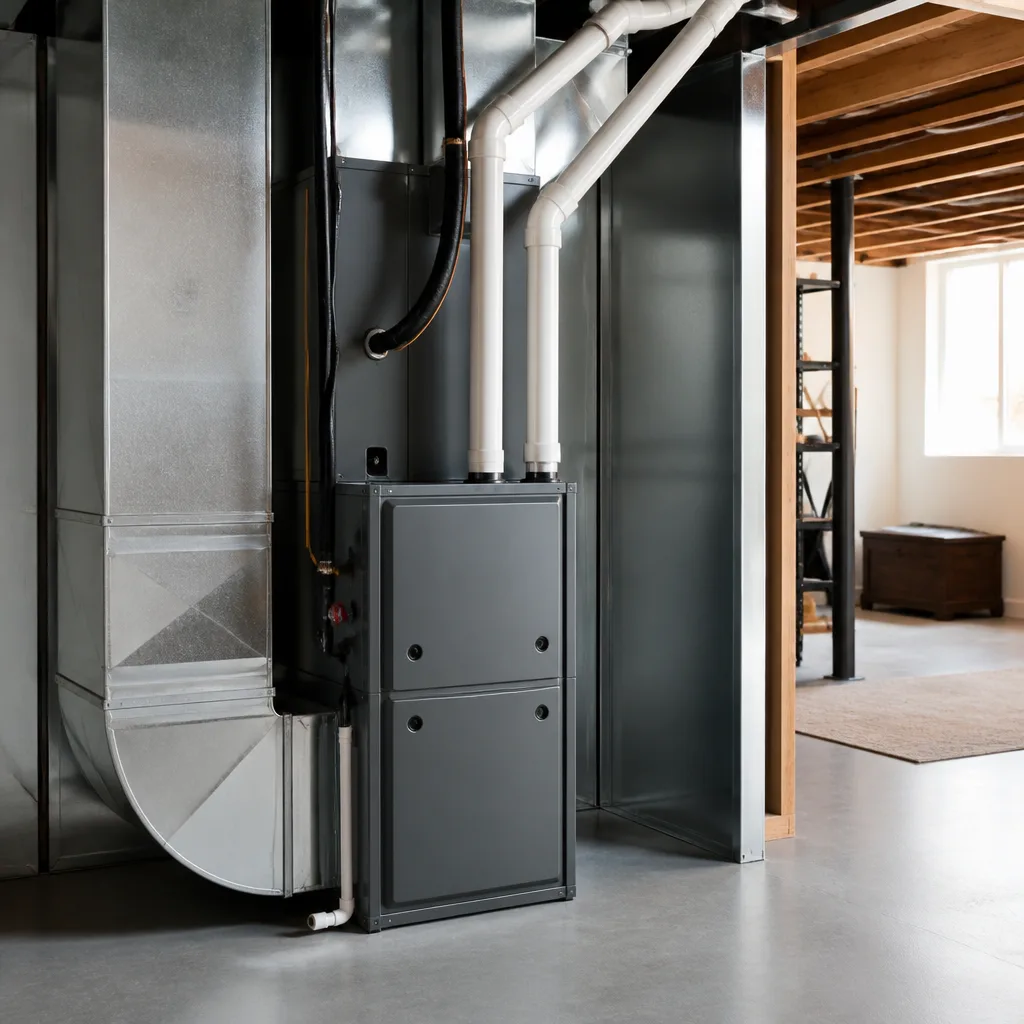 Furnace & heating
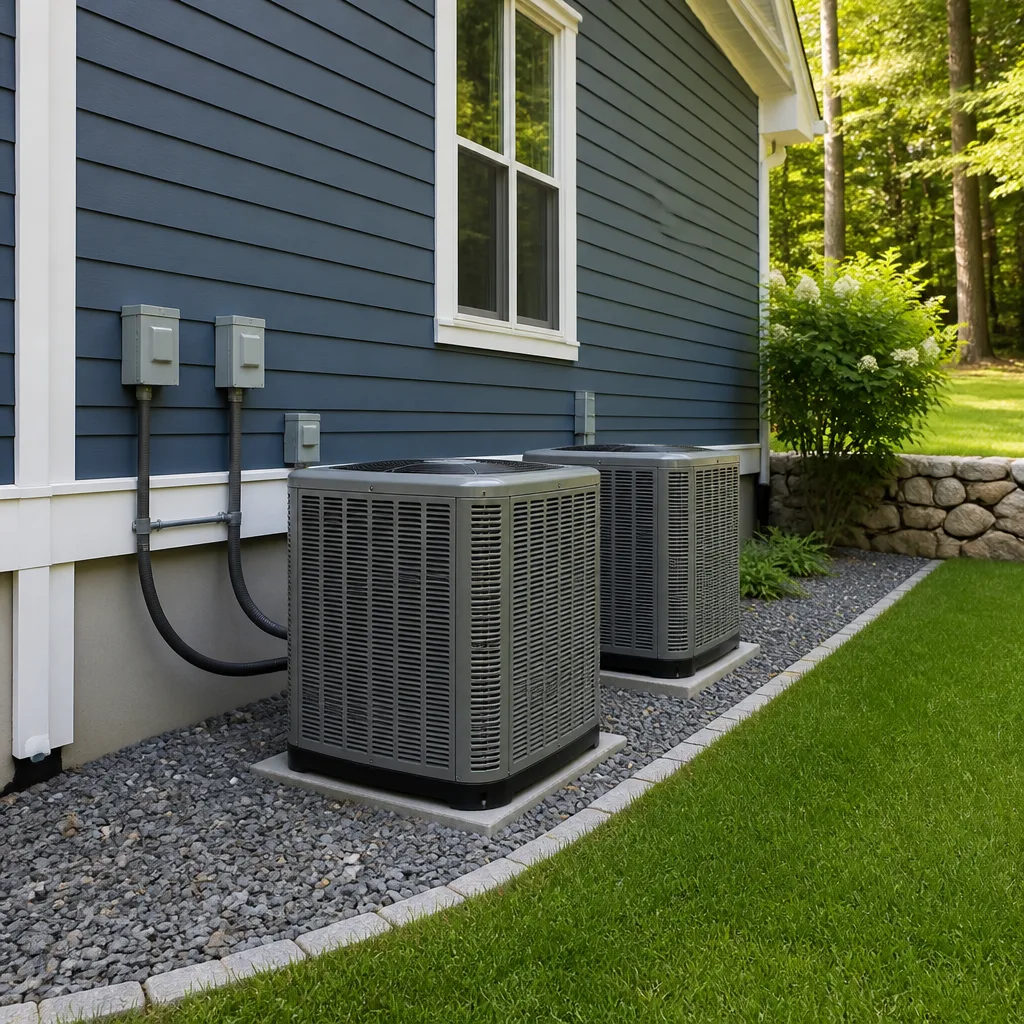 Heat pumps
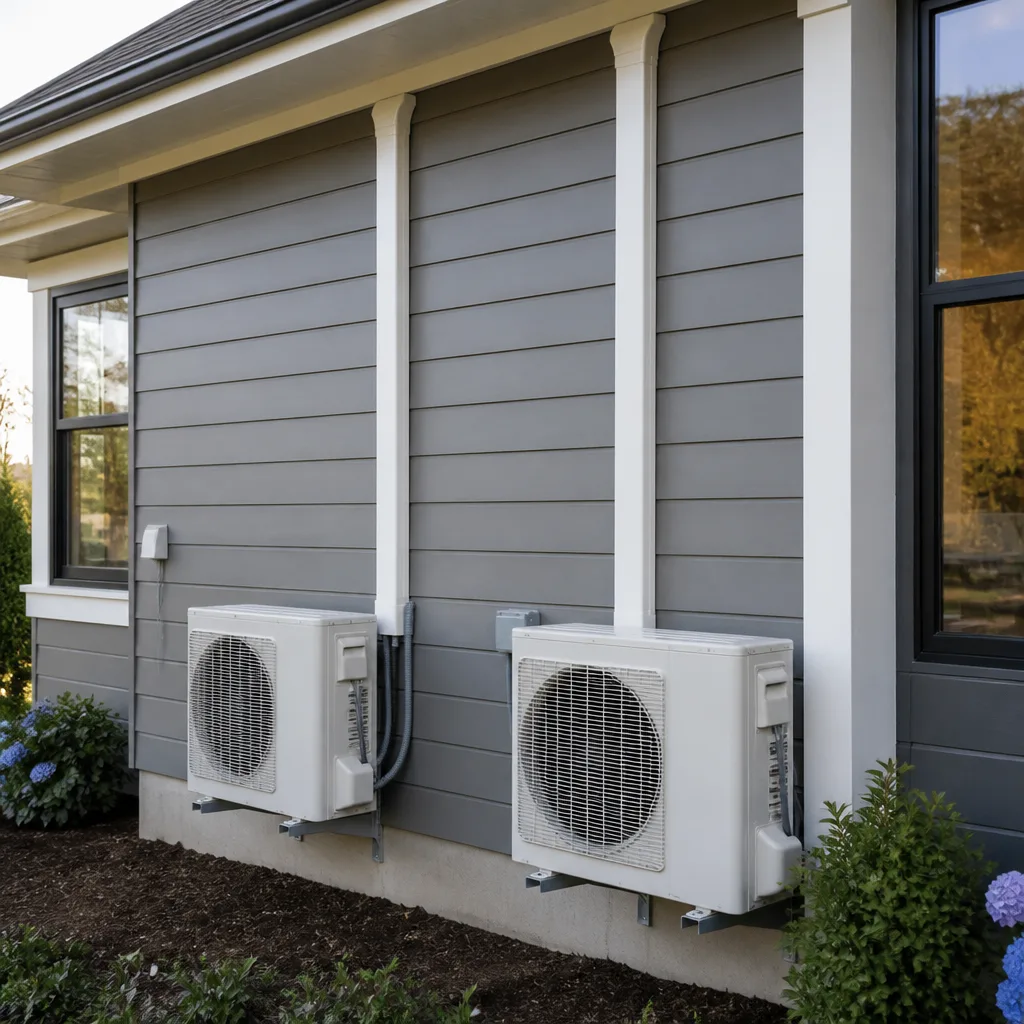 Ductless mini splits
 Carrier
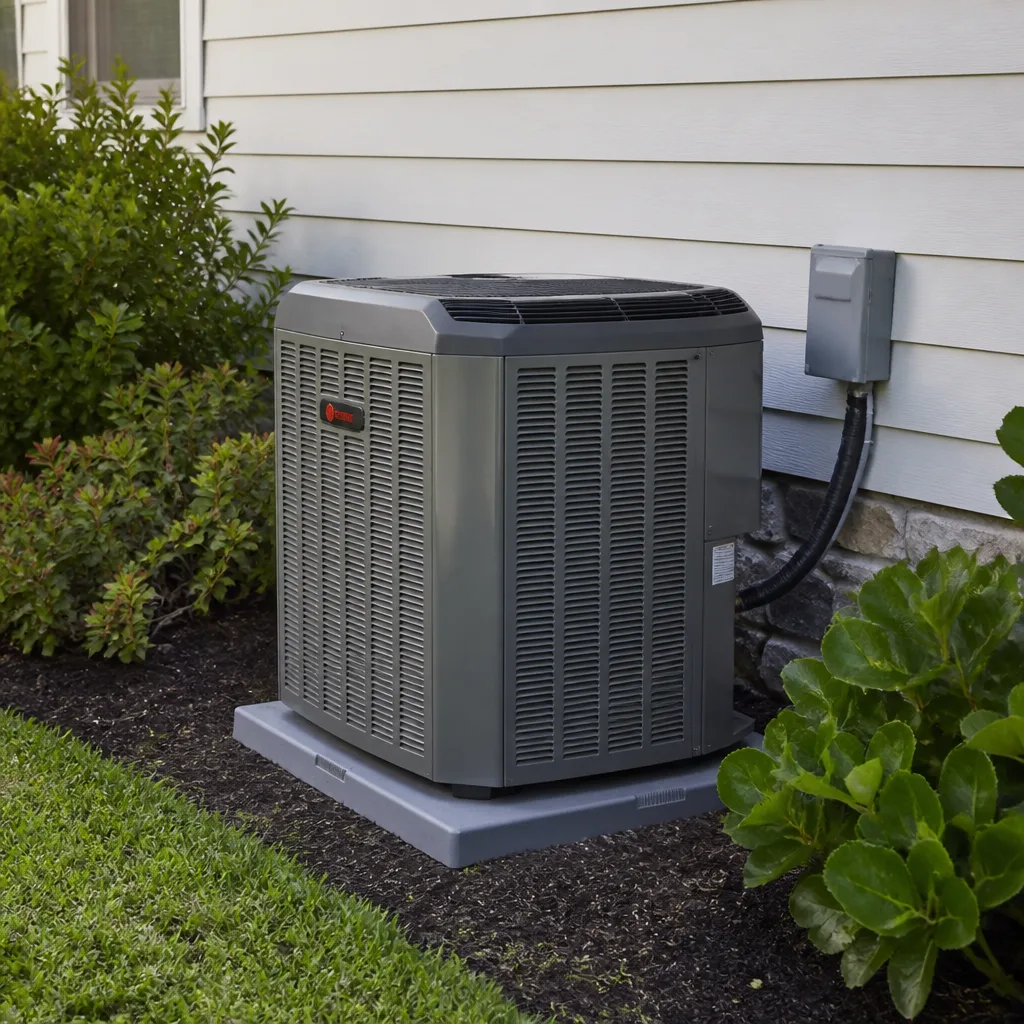 Trane
Trane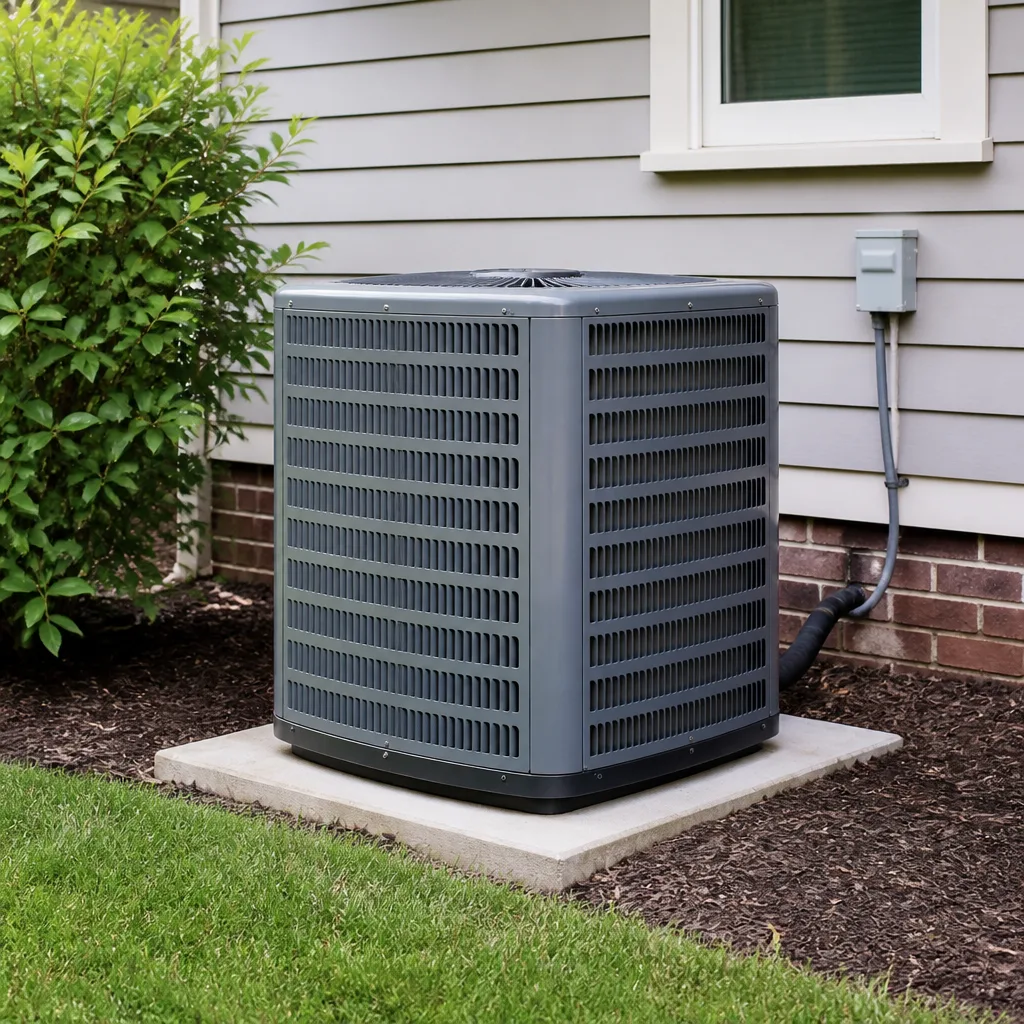 Goodman
Seasonal tune-up and full diagnostic on your Carrier, Trane, or Goodman system - readings shown to you before any repair is proposed
Diagnosis first, numbers second - you approve the repair price before a single part goes in.
Get your free estimateDIY vs Professional HVAC: The Queens Homeowner’s Decision Guide
Replacing your own air filter is legal and smart. Recharging your own refrigerant without an EPA Section 608 certification is a federal violation. The line between those two tasks is what most DIY guides treat as a matter of preference or skill. It isn’t. In Queens, where co-ops, condos, and attached homes sit wall to wall, that line is drawn in building codes, warranty language, and liability law. This guide maps exactly where that line falls, so you can save money on the tasks you’re legally allowed to do and avoid creating a problem that follows your property, not just your tool kit. For more guides & resources, see our blog.
Styles & brands we work with
Quick Answer
Queens homeowners can legally and safely handle air filter changes, thermostat battery and unit replacement, and basic condensate drain clearing without a license. Anything involving refrigerant, gas lines, electrical connections, or combustion venting requires a licensed professional under NYC code and federal law – and doing it yourself can void your equipment warranty and create liability that transfers with the property when you sell.
Table of Contents
- The Legal Line: What Queens Homeowners Can and Cannot Touch
- The Safe DIY List: Three Tasks Worth Doing Yourself
- Co-ops and Condos: When Building Rules Override City Code
- The Warranty Trap: How DIY Work Voids Manufacturer Coverage
- What DIY Actually Costs in Queens: Parts, Tools, and Time
- Vetting the Professional You Hand Work To: Identity, Not Just Company Name
- Common Mistakes to Avoid
- When to Call a Professional
- Frequently Asked Questions
- The Bottom Line
The Legal Line: What Queens Homeowners Can and Cannot Touch
The legal framework for HVAC work in New York City is not a suggestion. NYC Administrative Code requires that any work involving gas piping, electrical wiring, or refrigerant handling be performed by individuals holding the appropriate license. That means a licensed master plumber for gas line work, a licensed electrician for electrical connections, and an EPA Section 608 certified technician for anything involving refrigerant. There is no homeowner exemption for these categories in New York City, the way there is in some other states.
What does that mean in plain terms? If you open your AC unit for a repair in Queens that involves the sealed refrigerant system, you’ve crossed a federal line. The EPA requires Section 608 certification for anyone who handles refrigerants, and the fines for violating that start in the tens of thousands of dollars. That’s before we even talk about what happens if refrigerant escapes into the atmosphere because a homeowner didn’t have the right recovery equipment.
The tasks that fall on the legal side of the line for homeowners are:
- Replacing or cleaning air filters
- Replacing thermostat batteries
- Swapping a basic non-programmable thermostat for a compatible model using existing low-voltage wiring
- Clearing a visible blockage from a condensate drain line using a wet/dry vacuum
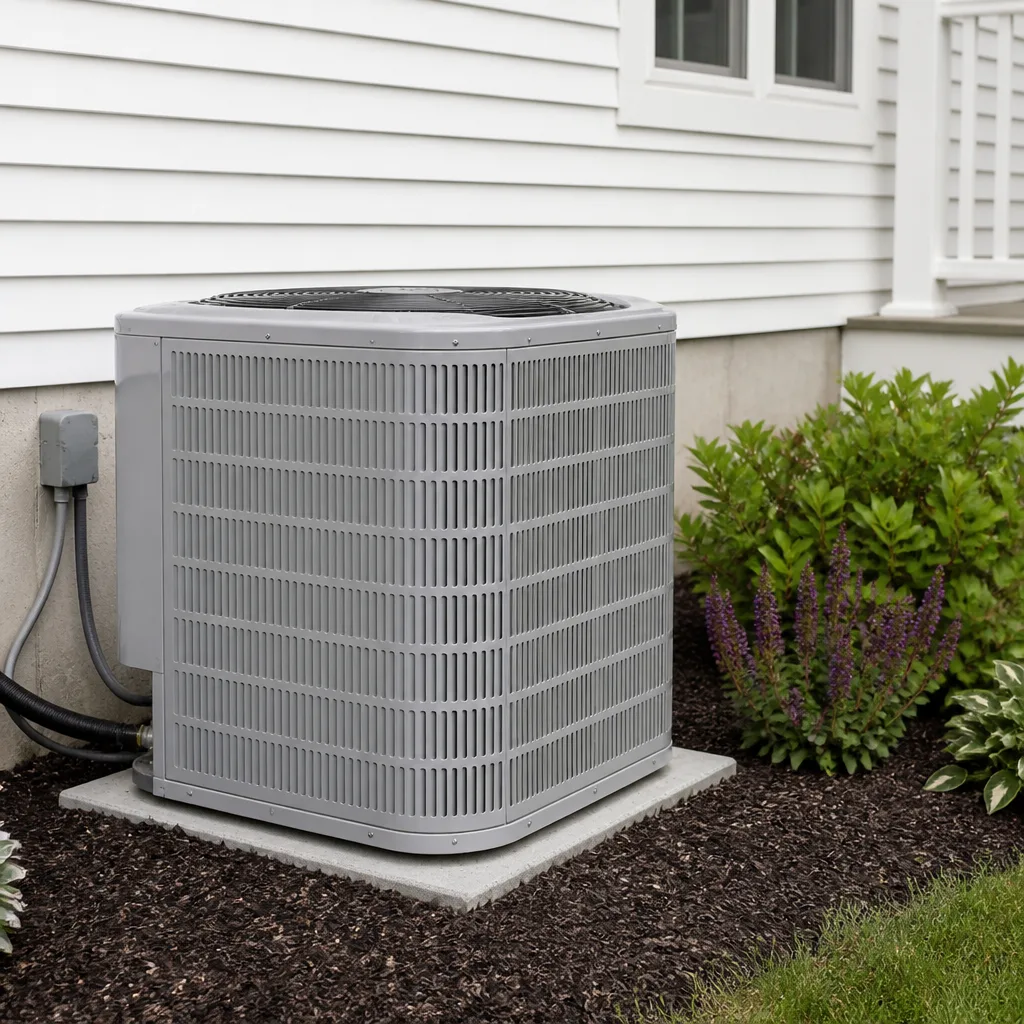
- Cleaning debris from around an outdoor condensing unit
- Checking and resetting circuit breakers
Everything else – refrigerant recharge, furnace gas valve replacement, heat exchanger inspection, electrical component replacement, duct modification – requires a licensed professional. In Queens, we regularly see homeowners who attempted a capacitor replacement or a contactor swap and ended up calling us after the unit stopped working entirely. The parts are cheap online. The diagnosis of why the first part failed is what costs money, and that’s the part DIY guides skip.
The Safe DIY List: Three Tasks Worth Doing Yourself
Some HVAC maintenance tasks are genuinely safe, legal, and money-saving for Queens homeowners. These are the ones we tell our own customers to do themselves, because it keeps their systems running longer and their repair bills lower. Here’s what each actually involves.
1. Air Filter Replacement
This is the single highest-impact DIY HVAC task, and it takes about five minutes. Your furnace or air handler pulls air through a filter before heating or cooling it. When that filter clogs with dust – and in Queens, with the pollen and particulate that comes through older building envelopes – the system has to work harder to move air. A clogged filter increases energy use, reduces airflow, and can cause the evaporator coil to freeze in summer or the heat exchanger to overheat in winter.
What to do: Locate your filter slot, which is typically in the return air duct or at the blower compartment. Note the arrow on the filter frame, which points in the direction of airflow (toward the blower). Slide the old one out, slide the new one in, and write the date on the frame with a marker. Most 1-inch filters should be replaced every 30 to 90 days depending on household size, pets, and allergy concerns. In Queens apartments with shared hallway air, we suggest checking monthly.
2. Thermostat Replacement
If you have a basic non-programmable thermostat and want to upgrade to a programmable or smart model, this is a job most homeowners can complete in under an hour. The key is to confirm compatibility before you buy. Most thermostats use low-voltage wiring (24 volts), which is safe to handle, but you need to verify that your system has a C-wire (common wire) for smart thermostats that require continuous power. Many older Queens homes and apartments don’t have one, and while some smart thermostats include adapters, the wiring can get complicated quickly.
What to do: Turn off power to the furnace at the breaker. Remove the old thermostat faceplate and photograph the wiring before disconnecting anything. Label each wire with the terminal it came from. Mount the new base, connect wires to matching terminals, and restore power. If your system doesn’t heat or cool properly after the swap, stop and call a professional. Wiring mistakes here can damage control boards, and that’s a $300 to $600 lesson.
3. Condensate Drain Clearing
Your air conditioner produces condensation as it cools air, and that water drains through a PVC line, typically to a floor drain or outdoors. When that line clogs with algae, dust, or mineral buildup, the water backs up and either trips a float switch (shutting down the system) or overflows into your home. In Queens basements and utility closets, this is a common cause of water damage that homeowners don’t catch until drywall is stained.
What to do: Locate the drain line near your indoor air handler. If you see standing water or a visible blockage at the access point, you can often clear it with a wet/dry vacuum attached to the end of the line. Run the vacuum for 30 to 60 seconds. You can also flush the line with white vinegar every few months as a preventive measure, which helps break down algae without the harsh chemicals that can damage PVC. If the blockage is deep in the line or the float switch has tripped, professional AC maintenance in Queens will include a proper line cleaning with compressed air or a drain auger.
Co-ops and Condos: When Building Rules Override City Code
Queens has one of the highest concentrations of co-op and condo housing in New York City. If you live in one, you don’t just answer to city code. You answer to your building’s proprietary lease, house rules, and board policies, and those documents often impose requirements that are stricter than what the law requires.
Many co-op proprietary leases in Queens require that any work involving plumbing, electrical, or mechanical systems – which includes HVAC – be performed by a licensed contractor who carries insurance naming the building as an additional insured. Even if a task is technically legal for you to do yourself under city code, your building can prohibit it. We’ve seen co-op boards in Forest Hills, Kew Gardens, and Jackson Heights deny renovation applications because a shareholder proposed doing their own thermostat wiring or installing a through-wall AC sleeve without a licensed contractor.
The liability issue cuts both ways. If your DIY repair causes water damage to the unit below you – say, a condensate line you cleared backs up and overflows – your neighbors’ damages become your responsibility, and your building’s insurance may not cover you because the work was unlicensed. That’s a financial exposure that can run into five figures in a co-op building with legal fees.
Before you attempt any HVAC task in a co-op or condo, read your building’s alteration agreement and house rules. If the document says “work must be performed by a licensed contractor,” that’s the final word, regardless of what any DIY guide tells you. The safest approach is to call your management office and ask directly whether the task requires board approval or a licensed professional. It’s better to ask and be told no than to do the work and face a building violation.
The Warranty Trap: How DIY Work Voids Manufacturer Coverage
Manufacturer warranty language is unforgiving on the question of who performs the work. York, Daikin, Bryant, and American Standard all include clauses in their warranty terms stating that coverage applies only when installation and service are performed by a licensed professional. The exact language varies, but the effect is the same: if a homeowner opens the cabinet and replaces a part, and that part later fails or causes another component to fail, the manufacturer can deny the warranty claim.
Here’s what that looks like in practice. In our experience, a homeowner replaces a blower motor capacitor on a Daikin unit. The capacitor fails a month later because it was the wrong microfarad rating – a mistake that’s easy to make when you’re buying parts online based on price rather than specification. The failed capacitor damages the blower motor. The homeowner files a warranty claim for the motor. The manufacturer asks for service records. There are none, because the work wasn’t done by a licensed contractor. Claim denied. The homeowner now pays $400 to $800 out of pocket for a motor that would have been covered.
The same logic applies to full system warranties. If you have a 10-year parts warranty on a Bryant system and you’ve been doing your own repairs, you may have already voided it without knowing. Even something as simple as using an off-brand filter that causes airflow problems can give a manufacturer grounds to question a claim, though that’s less common than the DIY repair scenario.
The rule we give our customers is straightforward: if the part is inside the cabinet and requires a tool to access, involve a professional. The money you save on a DIY repair is almost always smaller than the value of the warranty you’re putting at risk, especially on systems less than 10 years old.
What DIY Actually Costs in Queens: Parts, Tools, and Time
The DIY argument usually starts with the price of the part. A capacitor costs $15 to $40. A contactor costs $20 to $50. A flame sensor costs $15 to $35. Those numbers are real. But they’re also the smallest line item in the actual cost of a DIY repair, and that’s where the math gets honest.
Here’s a realistic breakdown for a common DIY attempt: replacing a capacitor on a central AC condensing unit.
- Capacitor: $15 to $40, depending on brand and rating
- Multimeter (if you don’t own one): $25 to $80
- Nut driver set: $15 to $30
- Time spent diagnosing, watching videos, ordering parts, and attempting the repair: 3 to 6 hours
- Risk of misdiagnosis: high if the capacitor wasn’t the problem in the first place
- Cost of a professional capacitor replacement in Queens: $150 to $300, parts and labor included
- Cost if the DIY attempt damages the compressor or control board: $1,500 to $4,000
For comparison, here’s what common professional repairs cost in Queens, with realistic ranges:
- Capacitor replacement: $150 to $300
- Contactor replacement: $175 to $350
- Flame sensor cleaning or replacement: $125 to $250
- Condensate pump replacement: $250 to $450
- Thermostat installation (with wiring verification): $150 to $350
- Refrigerant recharge (includes leak check): $300 to $700
The honest math is that DIY makes sense for tasks with zero downside risk – filter changes, thermostat batteries, drain clearing. For anything inside the cabinet, the cost of getting it wrong is typically 10 times the cost of getting it right the first time. That’s not scare talk. That’s the actual spread between a $40 capacitor and a $2,500 compressor replacement when the wrong capacitor damages the motor windings.
Queens-specific factors push the math further toward professional service. Many homes in the borough still run older systems, and older systems don’t tolerate incorrect parts. A 15-year-old unit with a mismatched capacitor is a different risk profile than a 3-year-old unit with the same mistake. If you’re in a pre-war co-op or a brick rowhouse with an aging system, the margin for error is thinner. We see it in neighborhoods from Astoria to Bayside: older equipment, original wiring, tighter clearances, and a lot of accumulated wear that makes diagnosis harder than a YouTube video suggests.
Vetting the Professional You Hand Work To: Identity, Not Just Company Name
When you’ve decided that a task belongs in professional hands – and most HVAC tasks do – the next decision is who you let through your door. Queens is a dense market with hundreds of HVAC companies, and the difference between them isn’t just price. It’s whether the person who shows up is the person the company said would show up.
Here’s what to ask and look for when you’re evaluating an HVAC contractor in Queens:
- Does the company tell you who’s coming before they arrive? A technician’s name and photo should be provided in advance. If the company can’t tell you who’s scheduled, that’s a red flag.
- Does the technician show identification at the door? A photo ID badge should be visible and offered without you having to ask. This is a basic professional standard that surprisingly few companies enforce.
- Is the company licensed and insured for work in NYC? Ask directly. A legitimate company will answer without hesitation.
- Do they provide a written price before work starts? If a company won’t commit to a number in writing before touching your equipment, the number will change. In our business, a written price before any work starts is the only way we operate – on every job, with no exceptions.
- What does the guarantee cover, and for how long? “Satisfaction guaranteed” means nothing. A written guarantee should state exactly what’s covered and for how many days. At Brandt, every repair includes a written guarantee, and if a repair fails within the guarantee period, we return at no charge under our 365-Day Done Right Promise.
The identity point matters more in Queens than in most places. This is a borough where people live in dense buildings, often behind multiple locked doors, and where opening your apartment to a stranger is a decision you make with genuine caution. We built our approach around that reality. Every Brandt HVAC Co Queens technician is background-checked and identity-verified under the Threshold Verified standard, and we send you the technician’s name and photo before the visit. When they arrive, they show a photo ID badge. If someone arrives who you weren’t told to expect, that visit is on us and we make it right.
The name Brandt comes from an old word for a firebrand – a fitting name for the work of keeping a home warm. That’s the story behind our company, and it’s the standard we hold every technician to when they walk into a Queens home.
Common Mistakes to Avoid
- Assuming “legal in another state” means “legal in Queens.” New York City has some of the strictest building codes in the country. What’s a routine homeowner repair in a suburban county may require a licensed professional here.
- Buying a part online without verifying the exact specification. Capacitors, contactors, and motors have specific voltage and microfarad ratings. A $25 part with the wrong rating can destroy a $2,000 compressor.
- Skipping the building’s approval process in a co-op or condo. If your board requires licensed contractors for HVAC work, doing it yourself isn’t just a warranty risk – it’s a building violation that can come with fines and legal costs.
- Ignoring the electrical disconnect before opening a unit. Condensing units have a disconnect switch near the outdoor unit and a breaker in the panel. If you don’t verify both are off, you’re working on live 240-volt components. This is a genuine safety risk that causes serious injuries every year.
- Believing a refrigerant “top-off” is a routine DIY task. If your system is low on refrigerant, it has a leak. Adding refrigerant without finding the leak is both illegal under federal law and a waste of money – it’ll leak out again.
- Not photographing wiring before disconnecting a thermostat. Once those wires are loose, reconnecting them correctly from memory is a guessing game, and a wrong guess can damage your control board.
- Taking a company’s word for who’s coming without verification. If the person at your door doesn’t match the name and photo you were given, don’t let them in. It’s the simplest security check you can make, and it’s one most homeowners skip.
When to Call a Professional
If your system is blowing warm air in July, making unusual noises, tripping breakers, or producing a burning smell from the vents, stop troubleshooting and call someone who does this every day. The same goes for any task involving refrigerant, gas lines, electrical components, or combustion venting – these are not DIY projects, they’re legal boundaries. Furnace repair in Queens involving a gas valve or heat exchanger is work that requires licensed professionals, and attempting it yourself puts your household at risk of carbon monoxide exposure or fire. Brandt HVAC Co Queens offers free estimates across the borough. Call (845) 328-4955 and a live person will answer – 24 hours a day, 7 days a week.
Frequently Asked Questions
No. Refrigerant handling requires EPA Section 608 certification, and performing this work without certification is a federal violation with fines starting in the tens of thousands of dollars. Call (845) 328-4955 for a licensed, certified technician.
You can replace air filters, replace thermostat batteries, swap a basic thermostat using existing low-voltage wiring, clear visible condensate drain blockages with a wet/dry vacuum, clean debris from around an outdoor unit, and reset circuit breakers. Everything else requires a licensed professional.
Most manufacturers, including York, Daikin, Bryant, and American Standard, state that warranty coverage applies only when service is performed by a licensed professional. DIY repairs inside the cabinet can void coverage and leave you paying for failures that would otherwise have been covered.
Many do not. Co-op and condo proprietary leases often require that mechanical work be performed by licensed contractors carrying insurance. Check your building’s alteration agreement and house rules before attempting any HVAC task, because building rules can be stricter than city code.
Most common repairs run $150 to $700 depending on the part and labor involved. Capacitor replacement typically costs $150 to $300, contactor replacement $175 to $350, and a refrigerant recharge with leak check runs $300 to $700. Call (845) 328-4955 for an exact quote – estimates are free.
Reputable companies send the technician’s name and photo before the visit and require the technician to show a photo ID badge at the door. If the person who arrives doesn’t match, don’t let them in. Brandt HVAC Co Queens sends every technician’s name and photo in advance under the Threshold Verified standard.
The Bottom Line
For Queens homeowners, the DIY-versus-professional question is less about skill than about legal standing. The tasks you can do yourself – filters, thermostats, drain clearing – are simple, safe, and worth the modest time investment. The tasks that require a professional are defined by law and warranty language, not by confidence level. Hire licensed, verified professionals for anything involving refrigerant, gas, or electrical components, confirm who’s coming before they arrive, and demand a written price before any work starts. Brandt HVAC Co Queens has served the borough since 2003 with exactly that standard – and we’re always a phone call away at (845) 328-4955.
Written by Devin Marlowe, Owner at Brandt HVAC Co Queens, serving Queens since 2003.
See the difference
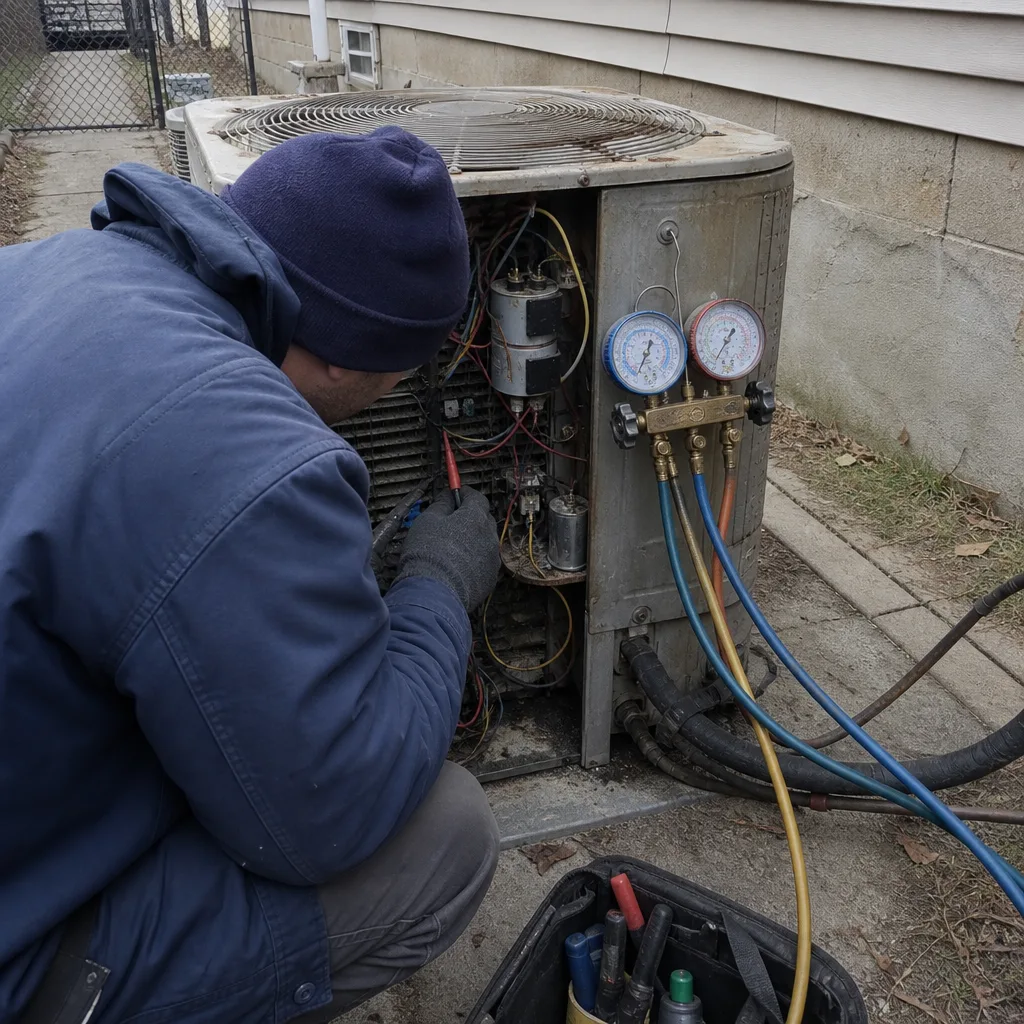 Before
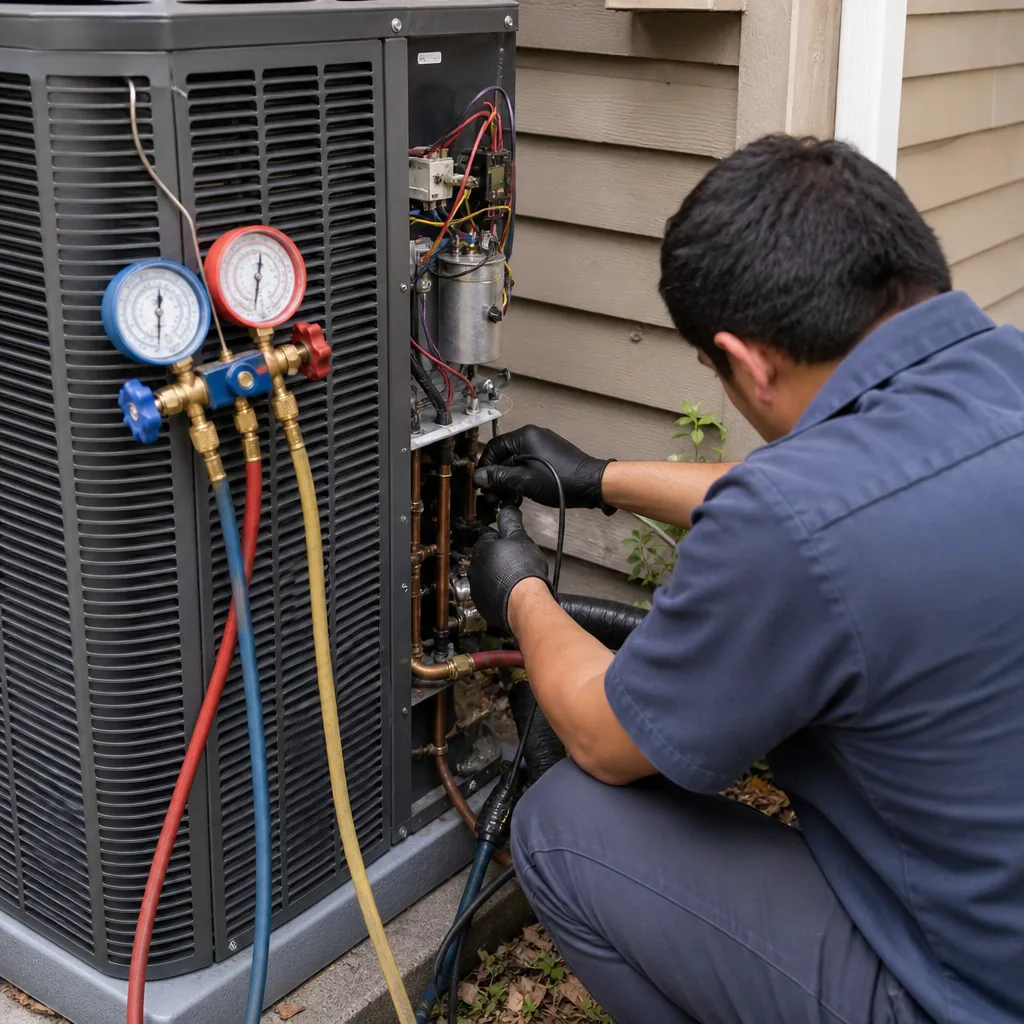 After
After Before
 After
After Before
 After
After