
Last updated October 16, 2026
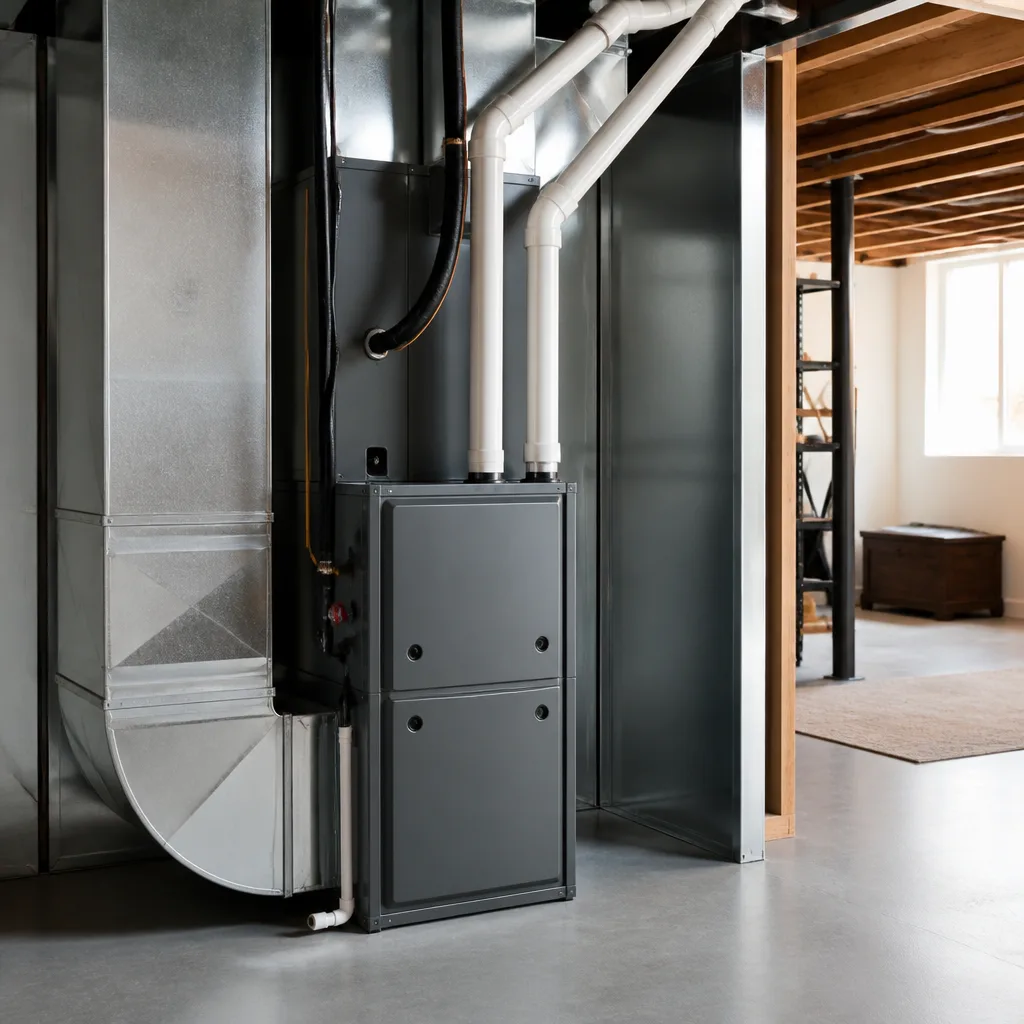 Furnace & heating
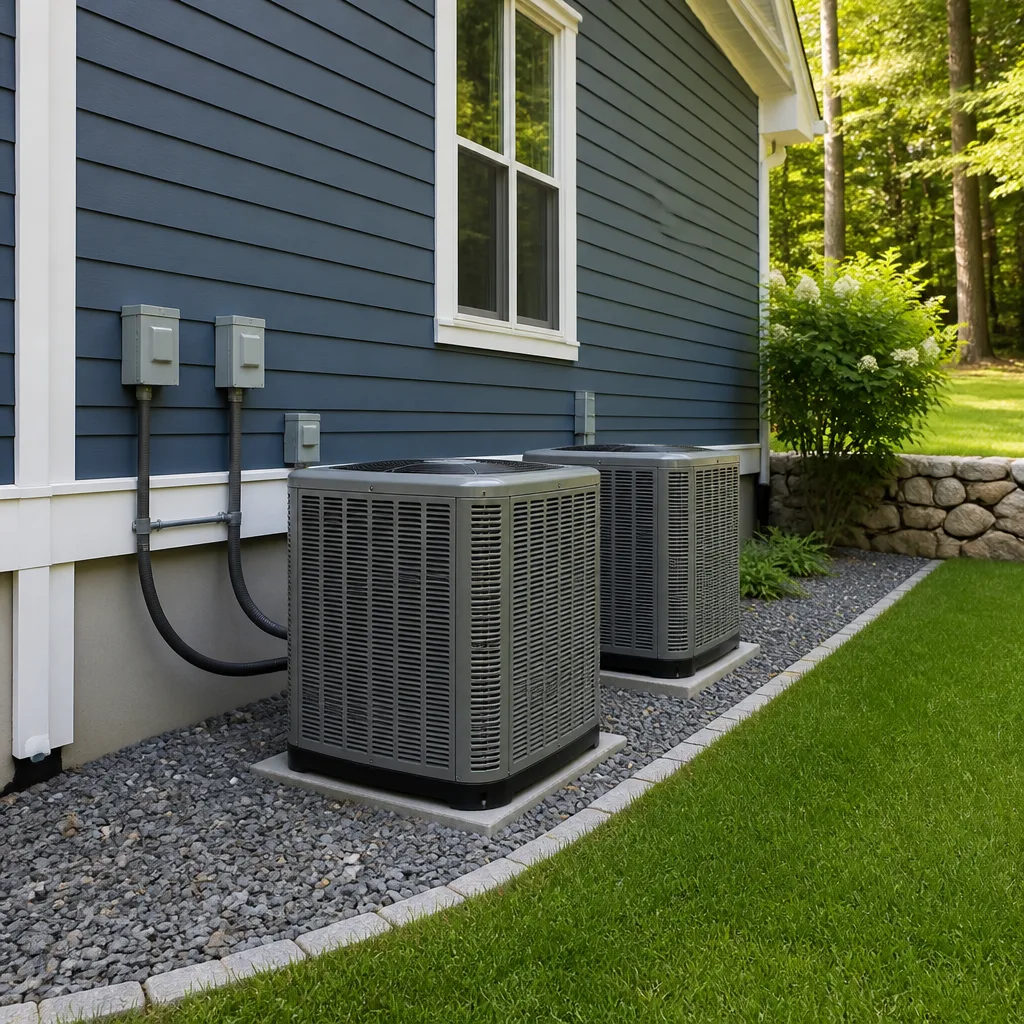 Heat pumps
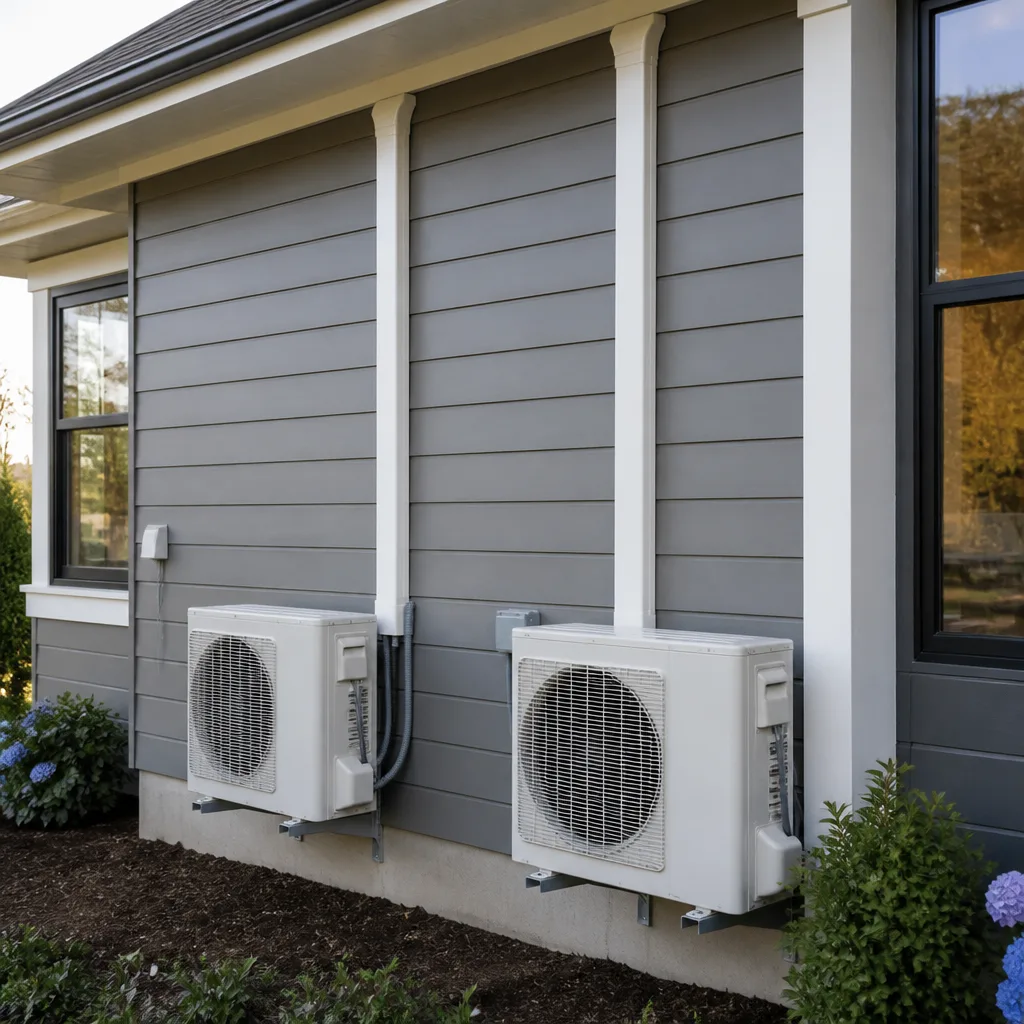 Ductless mini splits
 Carrier
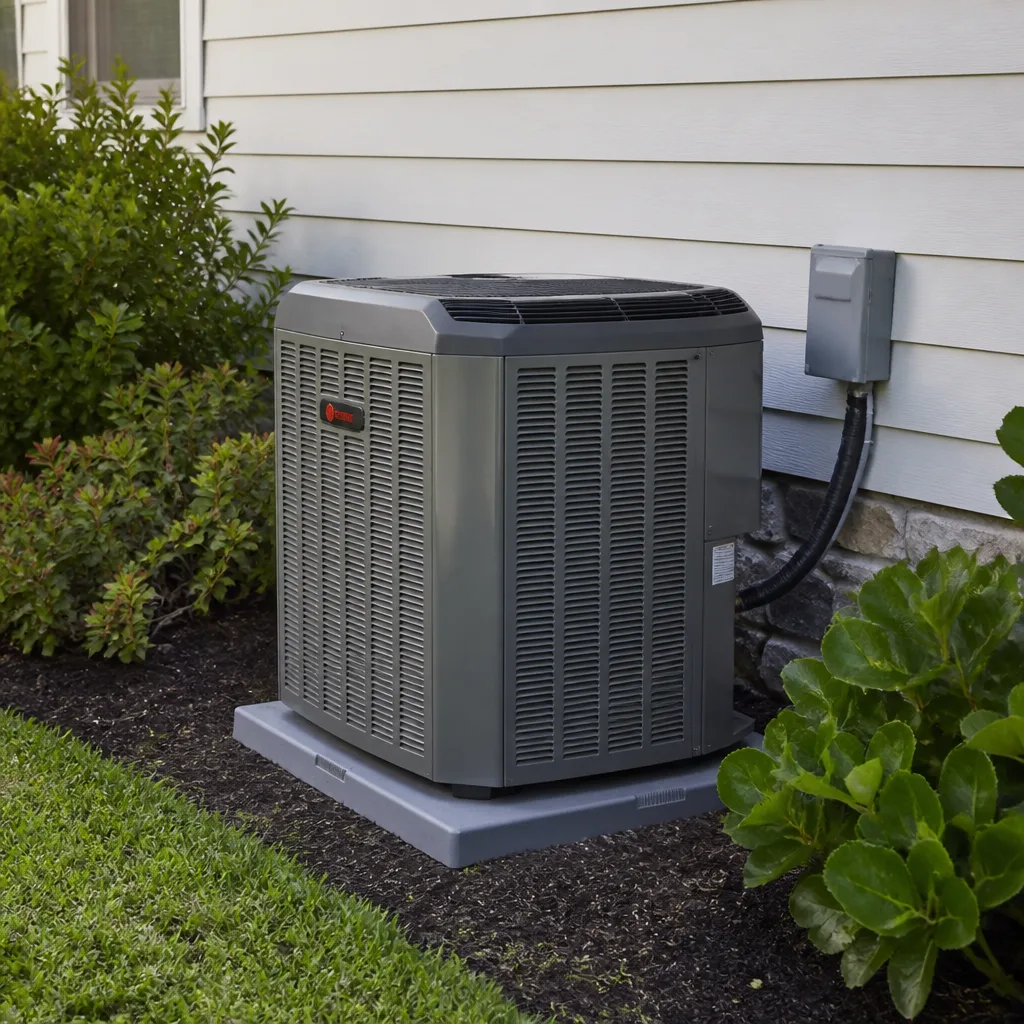 Trane
Trane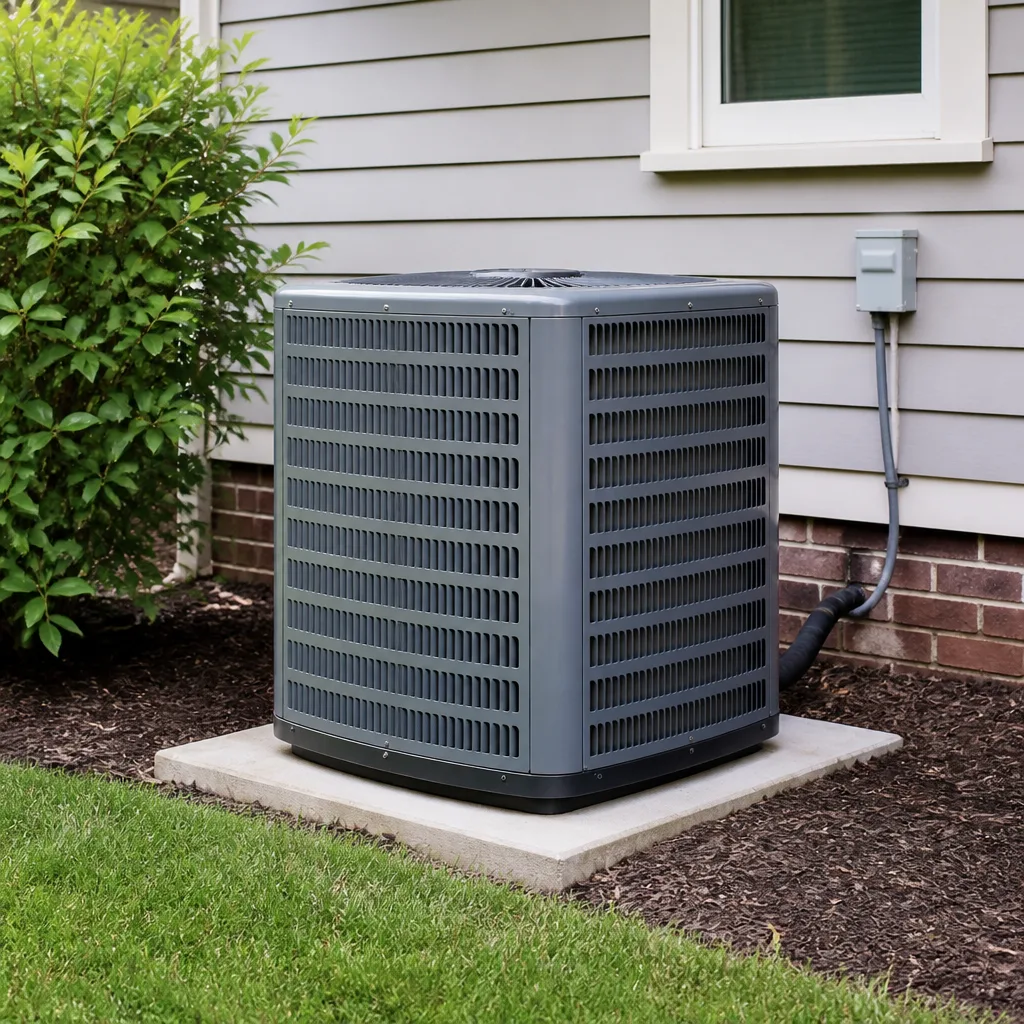 Goodman
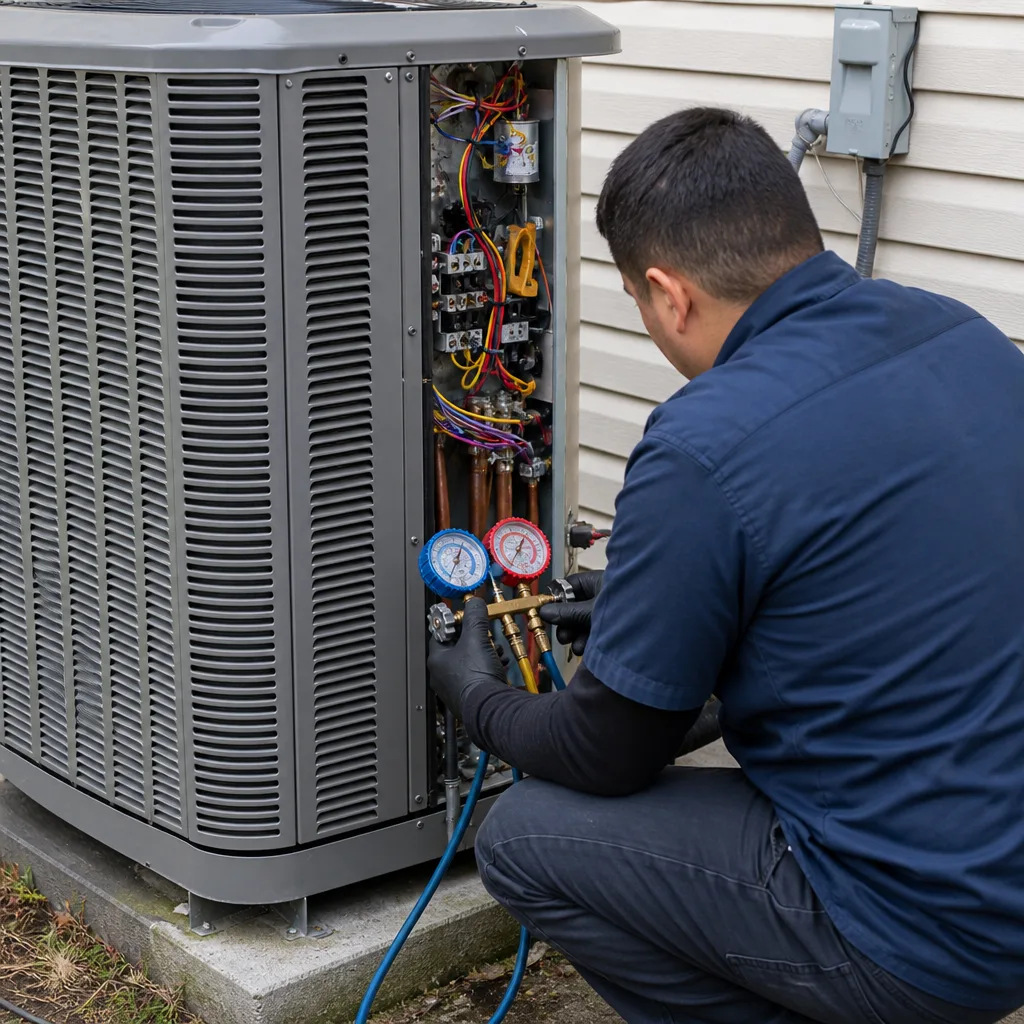
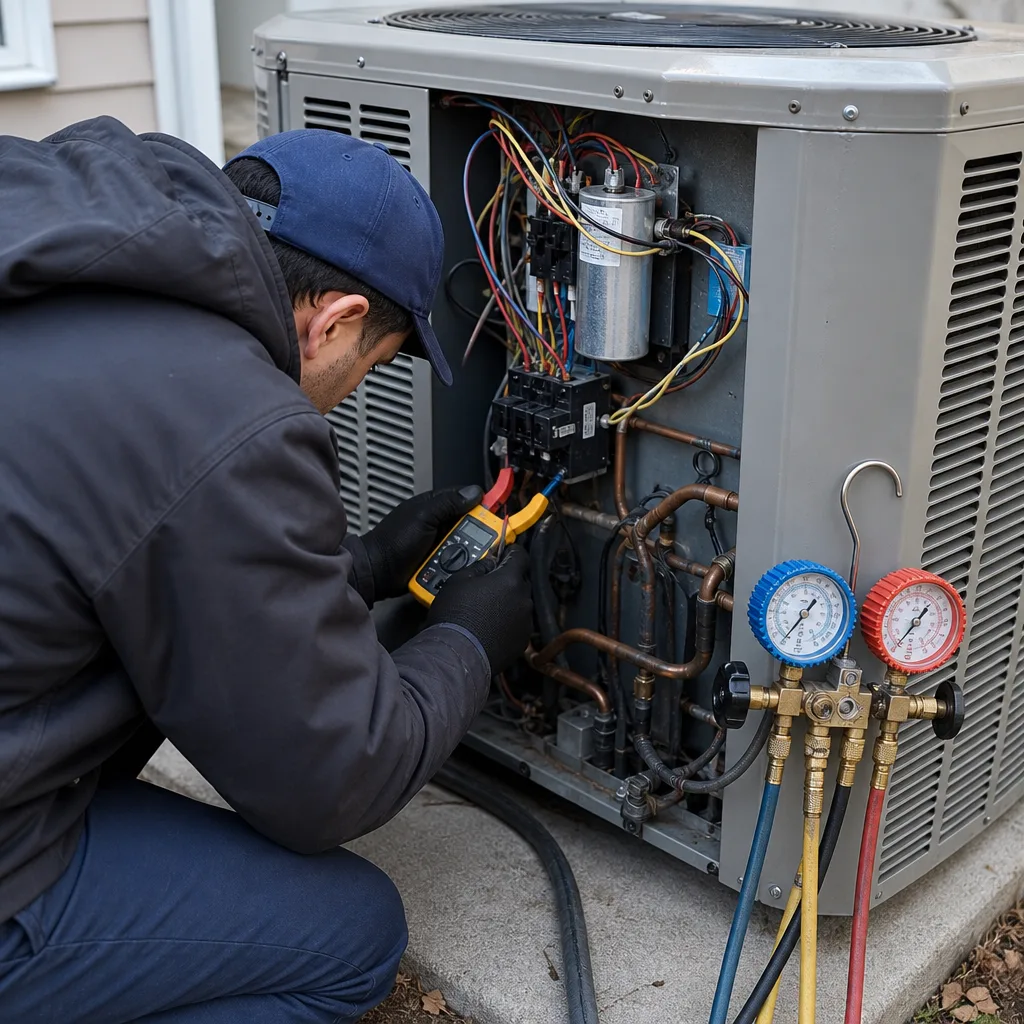
Seasonal tune-up and full diagnostic on your Carrier, Trane, or Goodman system - readings shown to you before any repair is proposed
Diagnosis first, numbers second - you approve the repair price before a single part goes in.
Get your free estimateThe Complete Guide to HVAC in Queens
Queens is not one housing market. It is four or five stacked on top of each other, sometimes on the same block. The attached brick row house that makes up most of Woodhaven and Ridgewood has almost no room for a standard split system, a fact most HVAC guides skip entirely because they are written for detached single-family homes that barely exist here. Walk ten minutes in any direction and the housing stock changes: a 1920s rowhouse with steam radiators, a postwar co-op with through-the-wall sleeves, a garden apartment with a furnace squeezed into a hallway closet. Each one demands a different approach to heating and cooling. This guide explains what actually works in Queens, what it costs, and how to avoid the mistakes that cost homeowners here more than anywhere else in the city.
Quick Answer
HVAC in Queens means matching equipment to housing stock that ranges from pre-1940 attached brick rowhouses to 1960s co-ops and garden apartments, not to a generic suburban house. Homeowners need to know their building type, their heat source (steam, hydronic, or forced air), and whether NYC DOB permits apply before any work starts. Most importantly, you need a technician you can verify before they walk through your door. For help specific to your home, call Brandt HVAC Co Queens at (845) 328-4955.
Styles & brands we work with
Table of Contents
- How Queens Housing Stock Shapes HVAC Choices
- Steam Heat in Queens: The Pre-1940 Reality
- Equipment Constraints by Building Type
- NYC DOB Permits: What Gets Skipped and Why It Matters
- Queens Seasonal Demand and Pricing Patterns
- How to Verify a Technician Before They Enter Your Home
- What HVAC Work Actually Costs in Queens
- Common Mistakes to Avoid
- When to Call a Professional
- Frequently Asked Questions
Most HVAC guides treat Queens as a generic version of New York City and then repeat advice written for suburban Long Island. That advice fails here. Queens has the highest concentration of attached housing in the five boroughs, the oldest average heating systems outside of Manhattan, and a permit environment that catches homeowners off guard when they sell. Here is what actually matters.
How Queens Housing Stock Shapes HVAC Choices
Queens was built in waves, and each wave left behind a different heating and cooling reality. Understanding your building type tells you more about your HVAC options than any brand comparison ever will.
The pre-1940 attached brick rowhouse dominates neighborhoods like Woodhaven, Ridgewood, Richmond Hill, and parts of Astoria and Sunnyside. These homes share side walls with neighbors, which means outdoor condenser placement is limited to a rear yard, a roof, or a through-the-wall sleeve. Interior space is tight. There is no basement mechanical room in most cases, just a crawl space or a utility corner. The original heat source in roughly two-thirds of these homes is a single-pipe steam system. Steam is not compatible with standard forced-air ductwork, so adding central air means either ductless mini-splits or high-velocity small-duct systems, both of which cost more than a standard split system in a detached house.
The postwar co-op, built between 1945 and 1970, is concentrated in Forest Hills, Rego Park, Kew Gardens Hills, and Jackson Heights. These buildings were constructed with either through-the-wall air conditioner sleeves or vertical fan-coil units. Owners cannot place condensers on the exterior without board approval, and many co-op boards restrict or forbid visible equipment. Heating is typically centralized and billed through maintenance, which means the co-op, not the unit owner, controls the boiler. If your apartment overheats in January, the fix is not a new thermostat. It is a board-level conversation about balancing valves.
The garden apartment, found across Bayside, Flushing, and parts of Middle Village, is usually a two- or three-story building with four to eight units. Each unit may have its own furnace and AC, or the building may share a single boiler. Where units have individual equipment, the furnace or air handler is often jammed into a hallway closet with barely enough clearance for a filter change, let alone a major repair. Access is the hidden cost here. Technicians in Queens spend more time working around tight clearances than technicians almost anywhere else in the country.
The detached Colonial or Tudor, common in Bayside, Douglaston, Whitestone, and parts of Forest Hills, is the one Queens housing type that matches what national HVAC guides assume. These homes have basements, side yards, attic access, and room for standard equipment. The advice that works for a Long Island split-level works here. The problem is that generic guides apply that advice to all of Queens, when detached homes are the minority.
In our experience, the single most common HVAC mistake in Queens is buying equipment for the wrong building type. A 3-ton central split system is a fine choice for a detached Bayside Colonial. It is a poor choice for a Woodhaven rowhouse with no ductwork and a shared wall.
Steam Heat in Queens: The Pre-1940 Reality
Steam heat is still the primary heat source in a large share of Queens homes built before 1940. It does not behave like forced air. It does not respond to a smart thermostat the way a furnace does. And it requires a completely different maintenance logic, one that most technicians who trained on modern equipment do not fully understand.
Here is how steam heat works in plain language. A boiler in the basement or utility closet heats water until it turns to steam. That steam rises through pipes into radiators throughout the house. When the steam hits the cold radiator, it condenses back into water and drains back to the boiler. The system breathes. Air vents on each radiator let out air so steam can enter, and they close when steam arrives. If those vents fail, the room stays cold while the next room overheats.
The most common steam heat complaints we see in Queens are uneven heat between floors, banging or knocking pipes, and radiators that stay cold at the bottom. Each has a specific cause:
- Uneven heat between floors usually means air vents are out of balance or failing. Replacing a few vents costs $25 to $75 each and often fixes the problem the same day.
- Banging or hammering in the pipes usually means water is trapped in a steam line, often because the boiler is overfilled or a return line is pitched incorrectly. This is not a cosmetic problem. Sustained water hammer can crack a cast-iron fitting and flood a ceiling.
- Radiators cold at the bottom but hot at the top means the radiator is not draining. The fix is often as simple as shimming the radiator so it pitches toward the return pipe. This is a $100 to $200 repair if the radiator is accessible.
Steam boilers in Queens also run into a specific problem with modern thermostats. A steam system is slow. It takes 20 to 40 minutes for steam to reach the furthest radiator after the boiler fires. A smart thermostat with aggressive setbacks will call for heat, run the boiler hard, shut it off before the system fully distributes, and then repeat the cycle. The result is higher fuel consumption, not lower. If you have steam heat, set your thermostat to a steady temperature during the day and drop it no more than 5 degrees at night. The savings from a bigger setback get eaten by the inefficiency of a short-cycling steam boiler.
One more thing specific to Queens. Many pre-war rowhouses still have their original cast-iron radiators, and those radiators are worth keeping. They retain heat long after the boiler shuts off, which is exactly what you want on a cold January night. Replacing steam with forced air in a rowhouse is a major project that requires new ductwork, layout changes, and permit work. It is rarely the right financial decision unless the boiler has failed and the house is being gut-renovated anyway.
For a deeper look at furnace and boiler work, see our guide to Furnace Repair in Queens.
Equipment Constraints by Building Type
Most HVAC equipment is designed for homes that do not exist in much of Queens. Here is what actually fits in each building type, and what does not.
Attached Brick Rowhouses
The defining constraint is outdoor space. With shared side walls, condenser placement is limited to the rear yard or the roof. A rear yard condenser works if there is a clear path for refrigerant lines from the air handler to the outdoor unit. In a rowhouse, that path often runs through a finished wall or ceiling, which adds $500 to $1,500 in drywall and painting costs on top of the HVAC work. A roof-mounted condenser avoids that, but requires a crane or rooftop rigging, which adds $800 to $2,000 to the installation.
For cooling a rowhouse without existing ductwork, the two realistic options are:
- Ductless mini-split systems. A typical Queens rowhouse needs two to four indoor wall units. Equipment and installation for a two-zone system typically runs $8,000 to $14,000 before any rebates. Mini-splits from brands like Mitsubishi, Daikin, and Fujitsu dominate this segment, though Trane and Lennox also make competitive models.
- High-velocity small-duct systems, like Unico or SpacePak. These systems use 2-inch flexible ducts that can run through existing wall cavities, preserving ceilings and minimizing demolition. They cost $15,000 to $25,000 installed in a typical rowhouse. They are the best option when you want central cooling without gutting the house, but the price reflects the labor.
Through-the-wall air conditioners and window units remain the low-cost fallback. A through-the-wall sleeve unit costs $600 to $1,200 and can be installed in a few hours. It is not central air, but for a rowhouse where the budget does not support a mini-split system, it is a legitimate solution.
Co-ops and Condos
If you own a co-op or condo in Queens, the board or building management dictates your equipment options. Before you buy anything, review your proprietary lease or condo bylaws. Many boards in Forest Hills and Rego Park prohibit visible condenser units. Some buildings in Jackson Heights and Elmhurst require through-the-wall sleeves only and will fine owners who install window units that protrude past the building line. You need written board approval before any HVAC work that touches a wall, a sleeve, or a roof penetration. A reputable contractor will ask about board requirements before quoting the job.
Within a co-op unit, the most common replacement need is a failed through-the-wall unit. These are not window air conditioners. They are hardwired or plugged into a dedicated receptacle, fit into a steel sleeve, and usually run on a 208V or 230V circuit. Replacing one typically costs $1,500 to $3,500 including the unit and labor. If the sleeve is rusted or the old unit was a different size, add $300 to $800 for sleeve work.
Garden Apartments
Garden apartments in Queens usually have individual furnaces, often mid-efficiency gas units installed in a closet. The limiting factor is access. A furnace in a 24-inch closet with a water heater beside it may be impossible to repair without removing the water heater, which means a plumber and an HVAC tech on the same job. In our experience, garden apartment furnace replacements cost $500 to $1,000 more than an equivalent replacement in a detached home simply because of clearance and labor time. That is the reality of working in Queens housing stock.
Detached Colonials and Tudors
This is the only Queens housing type where standard HVAC rules apply cleanly. Basement mechanical room, side or rear condenser, standard ductwork. AC replacements in these homes run $6,000 to $12,000 depending on size and efficiency. Furnace replacements run $4,500 to $9,000. Mini-splits remain a strong option for homes with radiator heat and no ductwork, and the installation is easier than in a rowhouse because condenser placement is not constrained by shared walls.
NYC DOB Permits: What Gets Skipped and Why It Matters
New York City requires a Department of Buildings permit for most HVAC installations, including new furnaces, new boilers, new air conditioning systems, and ductwork changes. There is a difference between what the code requires and what unverified contractors will skip if you do not ask. That difference becomes your problem at resale, during an insurance claim, and if an inspector ever gets involved.
Here is what Queens homeowners need to know:
- Replacement in kind usually still needs a permit. Swapping a furnace for a furnace of the same type and size is a permit-required job in NYC, even though many homeowners assume it is not. Some contractors will offer to do it without a permit to save time and cost. If the work is unpermitted, you may face a DOB violation, and your homeowner’s insurance may deny a claim if the unpermitted equipment causes a fire or flood.
- Mini-split installations require an electrical permit and usually a DOB work permit. A mini-split is not a plug-in appliance. It requires a dedicated circuit, a disconnect box, and a refrigerant line set run through the wall. The electrical work must be done by a licensed electrician and permitted. Anyone who tells you a permit is not needed for a mini-split in Queens is wrong.
- Steam boiler replacements are regulated. In NYC, replacing a boiler may trigger requirements for carbon monoxide detectors, low-water cutoffs, and chimney liner inspections. A licensed contractor will know which requirements apply and will include them in the quote. An unlicensed contractor will skip them.
- Co-op and condo work has two layers. Beyond DOB rules, your board may require its own approval, a certificate of insurance from the contractor, and proof of licensing. Some boards maintain a list of approved contractors. Starting work without board approval can result in fines and removal orders.
The practical advice is simple. Before you hire anyone, ask these three questions: “Will this job be permitted with the DOB?” “Will you give me a written copy of the permit application?” “Who is responsible if an inspection fails?” A contractor who hesitates on any of them is telling you something.
Queens Seasonal Demand and Pricing Patterns
HVAC pricing in Queens moves with the weather in predictable ways. Knowing the pattern helps you time non-emergency work and budget for emergency work.
June through August is the peak for AC repair. When a heat wave hits Queens, every contractor’s phone rings off the hook from Jamaica to Bayside. Wait times for non-emergency AC repairs stretch from a day or two to a week or longer in August. Emergency calls get priority, and rightly so because a failed AC in an upper-floor apartment during a 95-degree week is a health risk, not a comfort issue. Plan your AC Maintenance in Queens for March, April, or early May, before demand spikes.
November through February is furnace and boiler season. The first cold snap in Queens, usually in November, produces a wave of no-heat calls from homes with steam boilers that have not been serviced since the prior winter. Wait times for furnace repair can stretch to several days when the temperature drops below freezing. Emergency no-heat calls on nights below 20 degrees should be treated as urgent, not optional. If your boiler has not been cleaned and inspected by October, you are gambling.
March, April, September, and October are the shoulder seasons. These are the best months for planned replacements. Contractors are less busy, offer more scheduling flexibility, and in some cases price installations lower than during peak demand. If you are planning a furnace replacement or a mini-split installation, aim for the shoulder season and save yourself both money and waiting time.
One Queens-specific factor affects pricing year-round: parking and logistics. Technicians working in neighborhoods like Astoria, Long Island City, and parts of Flushing face real difficulty finding parking near the job site. Some contractors build a time allowance into their pricing for dense neighborhoods. It is not a fee you will see as a line item, but it shows up in the total. A contractor who knows Queens will factor this in accurately rather than underbidding and then rushing the job.
How to Verify a Technician Before They Enter Your Home
This is the section most HVAC guides skip. They tell you to read reviews or check a license. They do not tell you how to verify the person at your door. For many Queens homeowners, opening the door to a stranger is the hardest part of the whole process. Parents with young children, older homeowners, and people who are often home alone feel this most acutely. You should know exactly who is coming, before they arrive.
Here is a step-by-step process to verify a technician:
- Get the technician’s name before the visit. When you book the appointment, ask the company who will be sent. A professional company will tell you. If they will not or cannot name the technician in advance, that tells you something about how they operate.
- Ask for a photo or a description. The best companies send a photo of the technician by text or email before arrival. Brandt HVAC Co Queens does this on every visit, along with the tech’s name and a brief background note. When the doorbell rings, you match the person to the photo. If they do not match, you do not open the door.
- Ask to see a photo ID badge at the door. A legitimate technician carries a company-issued badge with their photo and name. Ask to see it through the peephole or doorbell camera before you unlock the door. This is not rude. It is standard practice.
- Confirm the company name on the vehicle. The technician should arrive in a marked company vehicle or a clearly identified vehicle matching the company you called. An unmarked personal vehicle is a red flag, especially for a first visit.
- Check the license. In New York City, HVAC contractors performing certain work must be licensed by the NYC Department of Buildings or hold appropriate state-level credentials. Ask for the license number and verify it before work begins. A contractor who hesitates to provide a license number should not be in your home.
The Threshold Verified standard we follow takes this further. Every technician we send is background-checked and identity-verified. We tell you by name and photo who is coming before the visit. The technician shows a photo ID badge at the door. If anyone arrives who you were not told to expect, that visit is on us and we make it right. That is the standard, not the exception.
This is also where the deeper brand story connects. The name Brandt comes from an old word for a firebrand, the glowing piece of wood used to carry fire from one hearth to another. Keeping a home warm is the work. Verification is how we make sure you can trust the person doing it.
What HVAC Work Actually Costs in Queens
Real pricing in Queens runs higher than the national averages you see on generic HVAC websites. Labor costs, permit fees, parking logistics, and tight access all push prices up. Here is what you should expect to pay for common jobs.
Repair Costs
- Furnace igniter replacement: $180 to $320, parts and labor included. This is a same-day repair for a competent technician.
- AC capacitor replacement: $150 to $280. The part is inexpensive; the cost is the service call, diagnosis, and labor.
- Refrigerant recharge, meaning refilling the fluid that moves heat out of your home: $200 to $600 depending on refrigerant type and amount. If a system is low on refrigerant, there is a leak, and a responsible technician will recommend finding and fixing it rather than just topping off the charge.
- Steam boiler air vent replacement: $25 to $75 per vent, plus a service call fee of $100 to $200 if this is the only work done.
- Thermostat replacement: $100 to $350 depending on whether it is a standard digital model or a smart thermostat. If your home has steam heat, confirm with the technician that the thermostat is set up correctly for a slow radiant system.
Replacement Costs
- Standard AC replacement in a detached home: $6,000 to $12,000 for a mid-efficiency unit, depending on size and brand. Trane and Lennox tend to price at the higher end of this range. Goodman and Rheem often come in lower. The labor quality matters more than the brand name on the box.
- Furnace replacement in a detached home: $4,500 to $9,000. High-efficiency condensing furnaces run higher, and require proper venting work.
- Ductless mini-split system, two zones: $8,000 to $14,000 in a typical Queens rowhouse. Systems from Trane, Mitsubishi, and Daikin dominate this category. Add $800 to $2,000 if the condenser must go on a roof.
- Through-the-wall AC replacement in a co-op: $1,500 to $3,500, including the unit and labor. Sleeve repairs add $300 to $800.
Every job we do begins with a written price before any work starts. No exceptions. That price includes the permit costs, the labor, the equipment, and the guarantee. You know the total before you agree to anything.
Guarantee Terms
Every repair we make includes a written guarantee. The guarantee states exactly what it covers and for how long, in plain language. If a repair fails within the guarantee period, we return at no charge and make it right. That is the 365-Day Done Right Promise, and it applies to every repair, not just the big ones. You should ask any contractor you consider what guarantee they provide and whether it is written. A verbal guarantee is not a guarantee.
Common Mistakes to Avoid
- Buying equipment designed for a detached house when you live in a rowhouse. A standard split system assumes space you may not have. In attached Queens housing, ductless mini-splits or high-velocity systems are often the only viable central cooling options. Buying the wrong system either overburdens a shared wall or funnels you into an installation you did not plan for.
- Treating a steam system like a forced-air system. Aggressive thermostat setbacks on a steam system increase fuel consumption and cause uneven heat. Steam requires a steady temperature and proper air vent operation.
- Skipping the DOB permit. Unpermitted HVAC work becomes your liability at resale and can void an insurance claim. Insist on a permit for any installation.
- Waiting until August to schedule AC maintenance. The best time to service your AC in Queens is March through early May, when wait times are short and technicians can catch problems before the first heat wave.
- Not asking who is coming to your home. Many Queens homeowners deal with a different technician than the one they spoke to on the phone, with no introduction and no way to verify identity. Ask for the technician’s name and photo before the visit.
- Choosing the lowest bid without checking licensing and insurance. In Queens HVAC work, the lowest bid often reflects skipped permits, unlicensed labor, or equipment of uncertain origin. A written price from a licensed contractor protects you in ways a cheap invoice cannot.
- Ignoring the guarantee terms. Some contractors offer a “warranty” that excludes labor, so you pay for a second visit even when the first repair fails. Get the guarantee in writing, including labor, and know exactly how long it lasts.
When to Call a Professional
Some jobs are clear DIY territory: changing a filter, clearing a drain line, checking that vents are open. Others are not. Call a professional if your boiler is banging hard enough to shake the pipes, if your AC is blowing warm air on a hot day, if you smell gas, if a carbon monoxide detector goes off, or if any repair involves high-voltage electrical connections, refrigerant, or gas lines. These are not beginner projects. A mistake with a gas line or a refrigerant charge can cause injury, property damage, or worse.
If you are unsure whether a problem is serious, call. A reputable company will tell you over the phone whether you need a service visit or a simple fix you can handle yourself. Brandt HVAC Co Queens offers free estimates in Queens. Call (845) 328-4955 and a live person will answer, day or night.
Frequently Asked Questions
Most common HVAC repairs in Queens run $150 to $600, with igniter replacements around $180 to $320 and refrigerant recharges between $200 and $600. Full system replacements range from $4,500 for a furnace in a detached home to $14,000 or more for a mini-split installation in a rowhouse. Call (845) 328-4955 for a written estimate on your specific job, free of charge.
Yes, most AC and furnace replacements in Queens require a NYC Department of Buildings permit. This includes replacement in kind, mini-split installations, and boiler replacements. A licensed contractor should handle the permit application and include the cost in the written quote. Unpermitted work can create problems at resale and with insurance.
Uneven steam heat is usually caused by failing or out-of-balance air vents on individual radiators, which control how much steam enters each room. Replacing the vents is often a $25 to $75 per vent fix. In larger Queens rowhouses, the problem can also be caused by a mis-pitched return line or an overfilled boiler.
For a rowhouse without existing ductwork, a ductless mini-split system is usually the best balance of cost, comfort, and installation feasibility, at $8,000 to $14,000 for a two-zone system. High-velocity small-duct systems are better for whole-house cooling but cost $15,000 to $25,000. Through-the-wall units remain a lower-cost fallback.
Ask the company for the technician’s name and photo before the visit, then match the person at the door to the photo. Request a photo ID badge before unlocking the door. Confirm the technician arrives in a marked company vehicle. Brandt HVAC Co Queens sends the technician’s name and photo before every visit and requires a photo ID badge at the door.
As a rule of thumb, if a repair costs more than one-third of the price of a new system and the equipment is more than 12 to 15 years old, replacement is usually the better long-term decision. The calculation is different in Queens co-ops and rowhouses, where installation constraints add cost. A written quote for both options makes the decision clearer. Call (845) 328-4955 for a repair-or-replace assessment.
For more specifics on the services we provide, see our guides to AC Repair in Queens, Furnace Repair in Queens, and AC Maintenance in Queens. You can also visit the Brandt HVAC Co Queens home page for an overview of how we work.
The Bottom Line
HVAC in Queens is different because Queens is different. The housing stock ranges from attached brick rowhouses with steam heat to mid-century co-ops with through-the-wall sleeves to detached Colonials with full basements. The right equipment, the right permit, and the right technician all depend on the building you live in. Queens homeowners need written pricing, clear guarantees, and technicians they can verify before they open the door. The companies that provide all three are the ones worth keeping on your phone. The ones that do not are, at best, inconvenient and, at worst, a risk to your home.
Written by Devin Marlowe, Owner at Brandt HVAC Co Queens, serving Queens since 2003.
See the difference
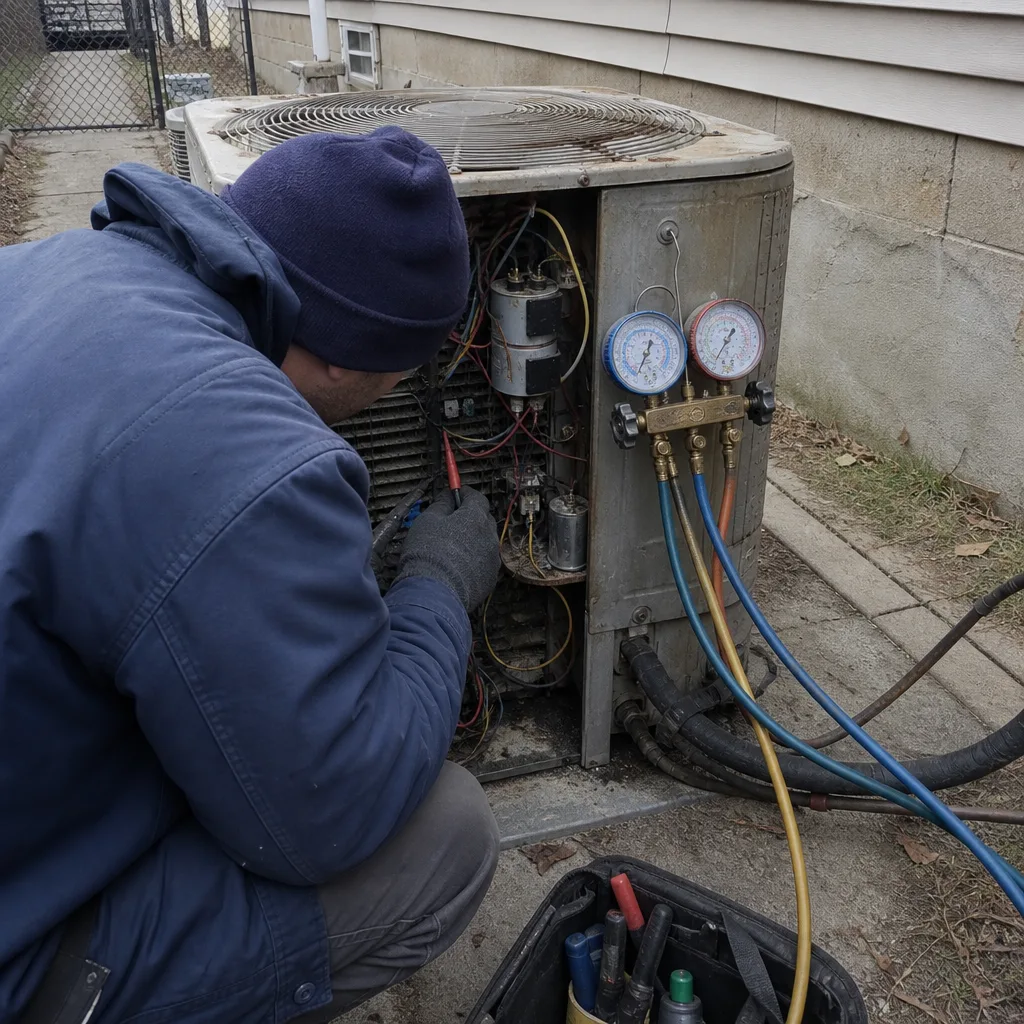 Before
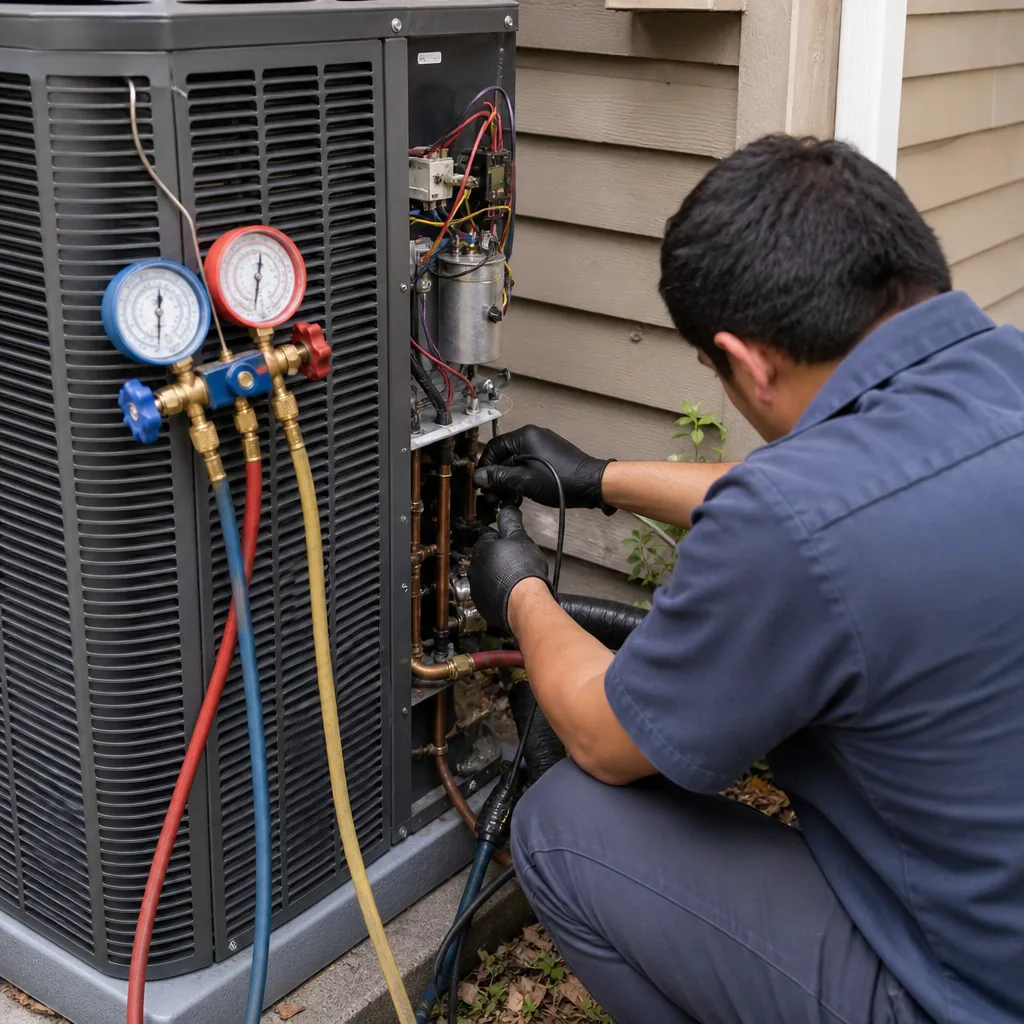 After
After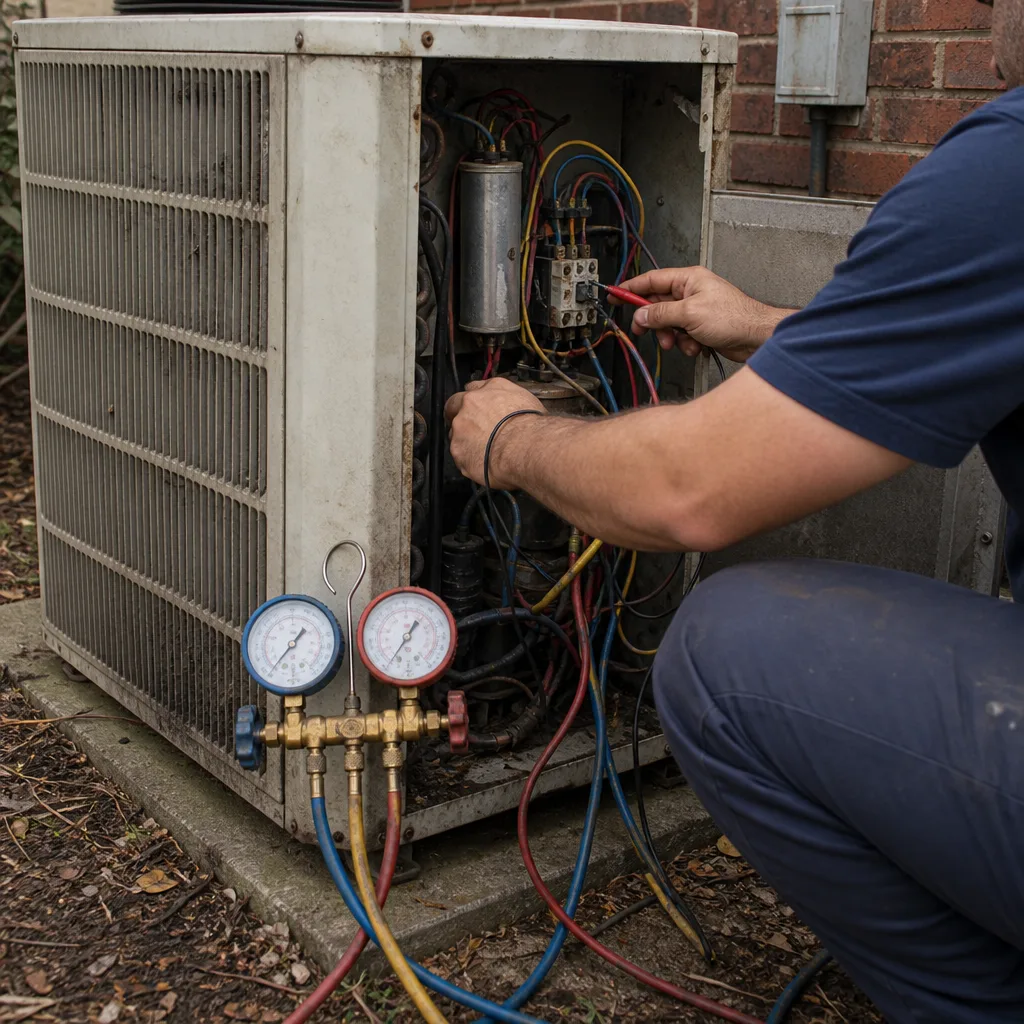 Before
 After
After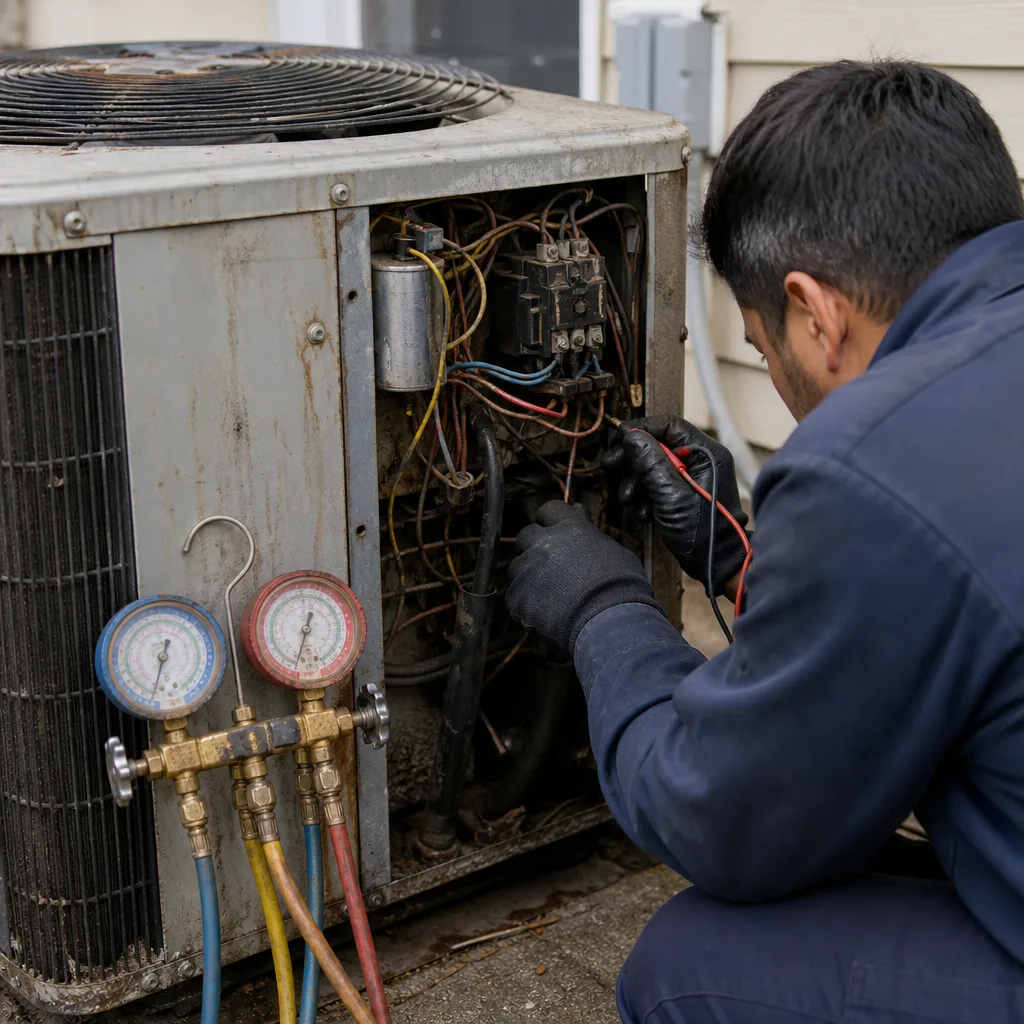 Before
 After
After