
Last updated October 16, 2026
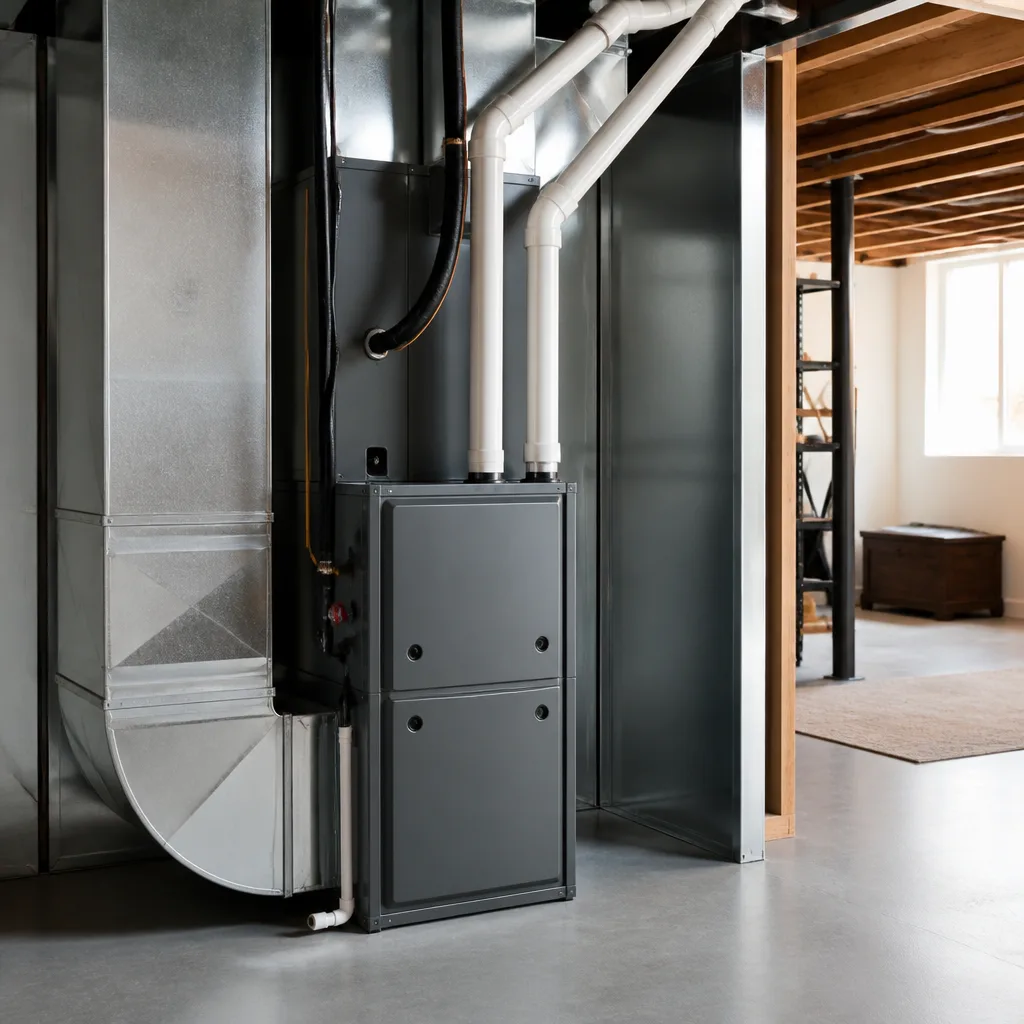 Furnace & heating
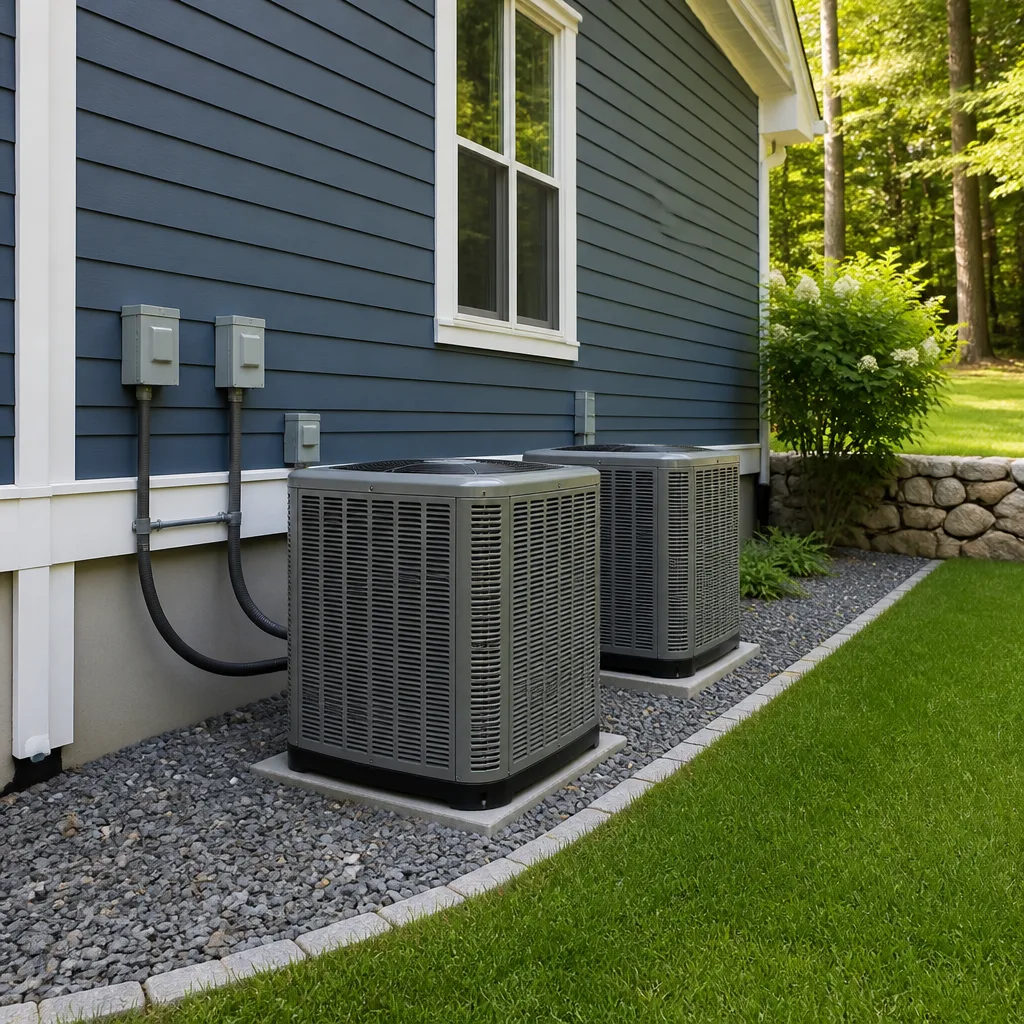 Heat pumps
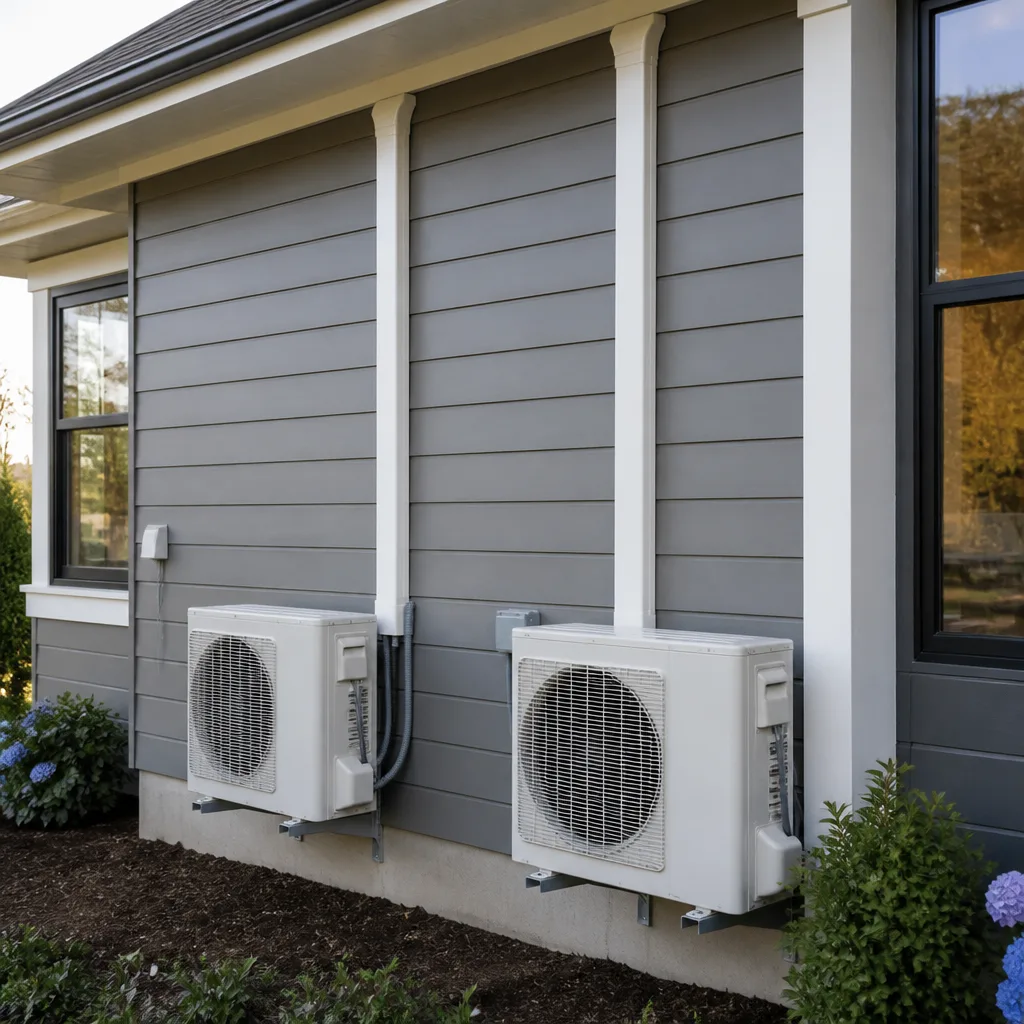 Ductless mini splits
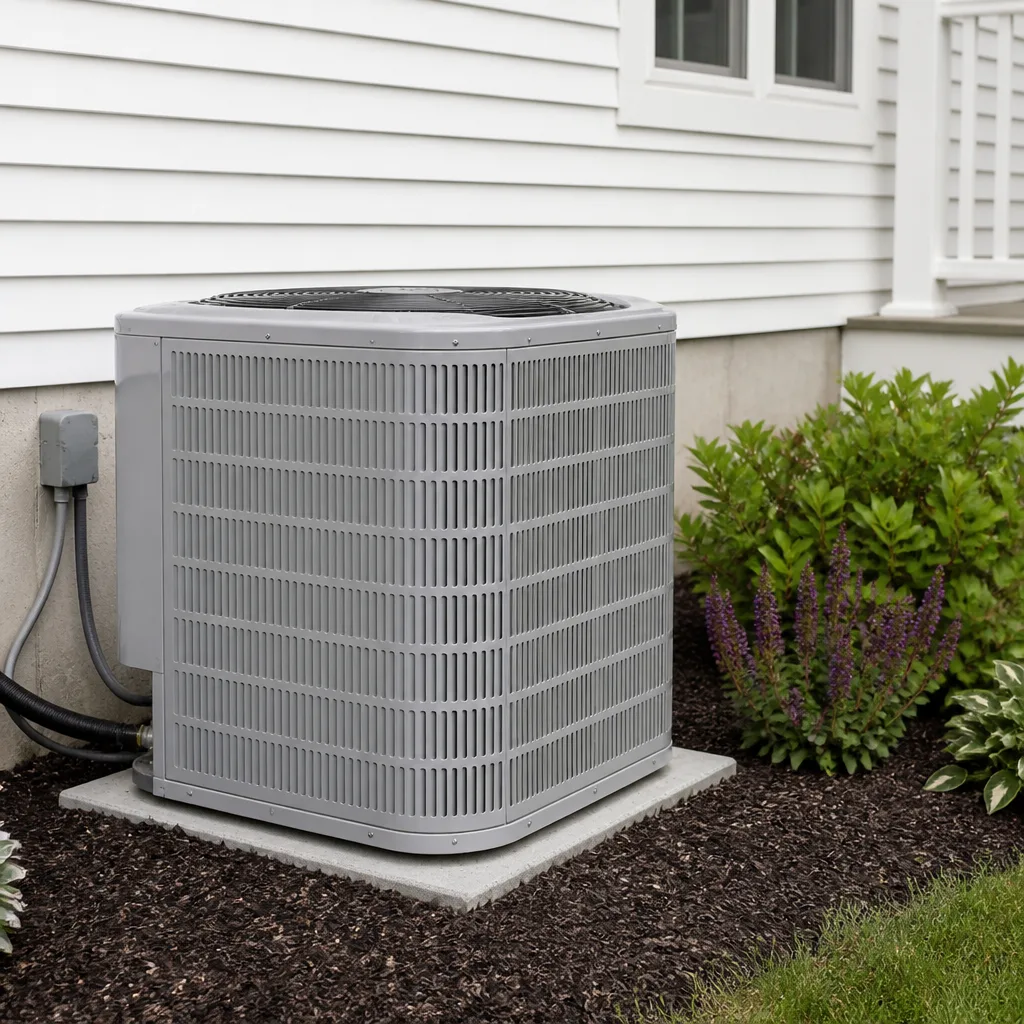 Carrier
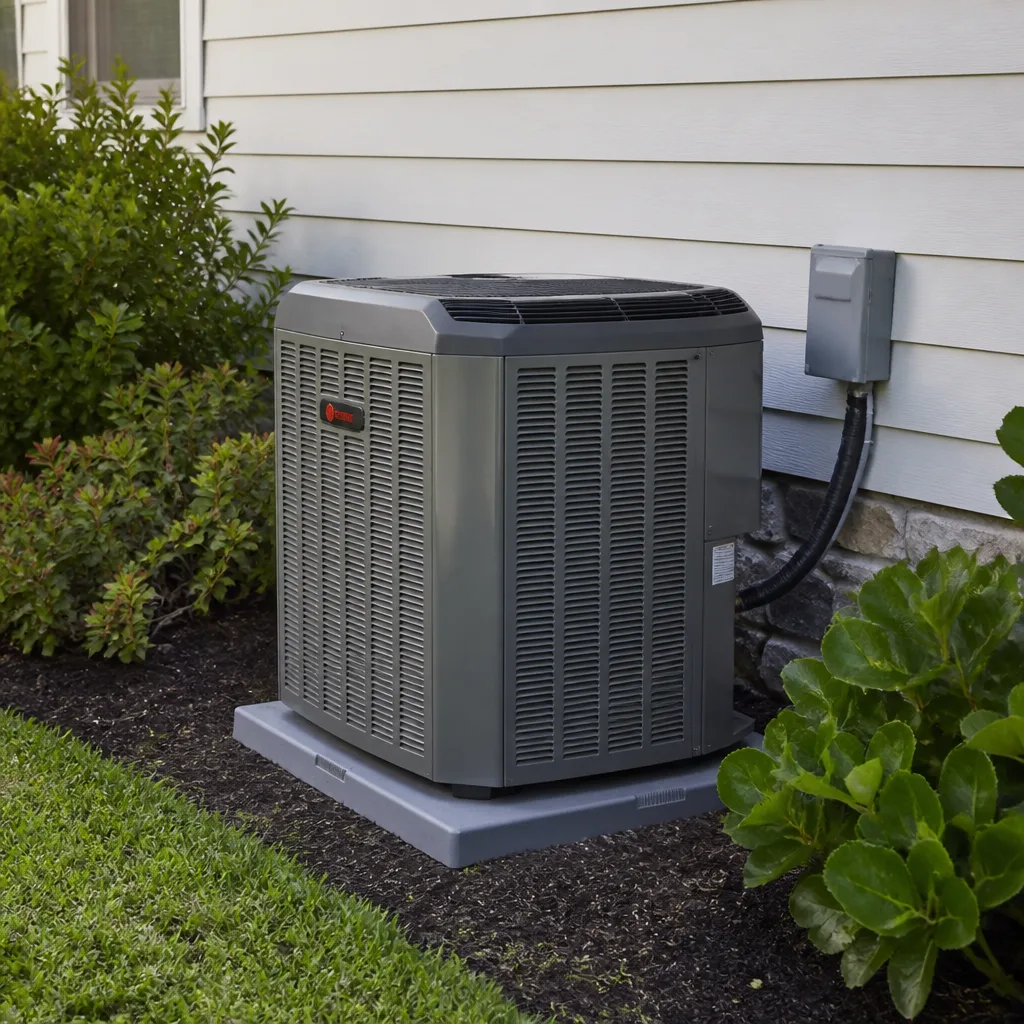 Trane
Trane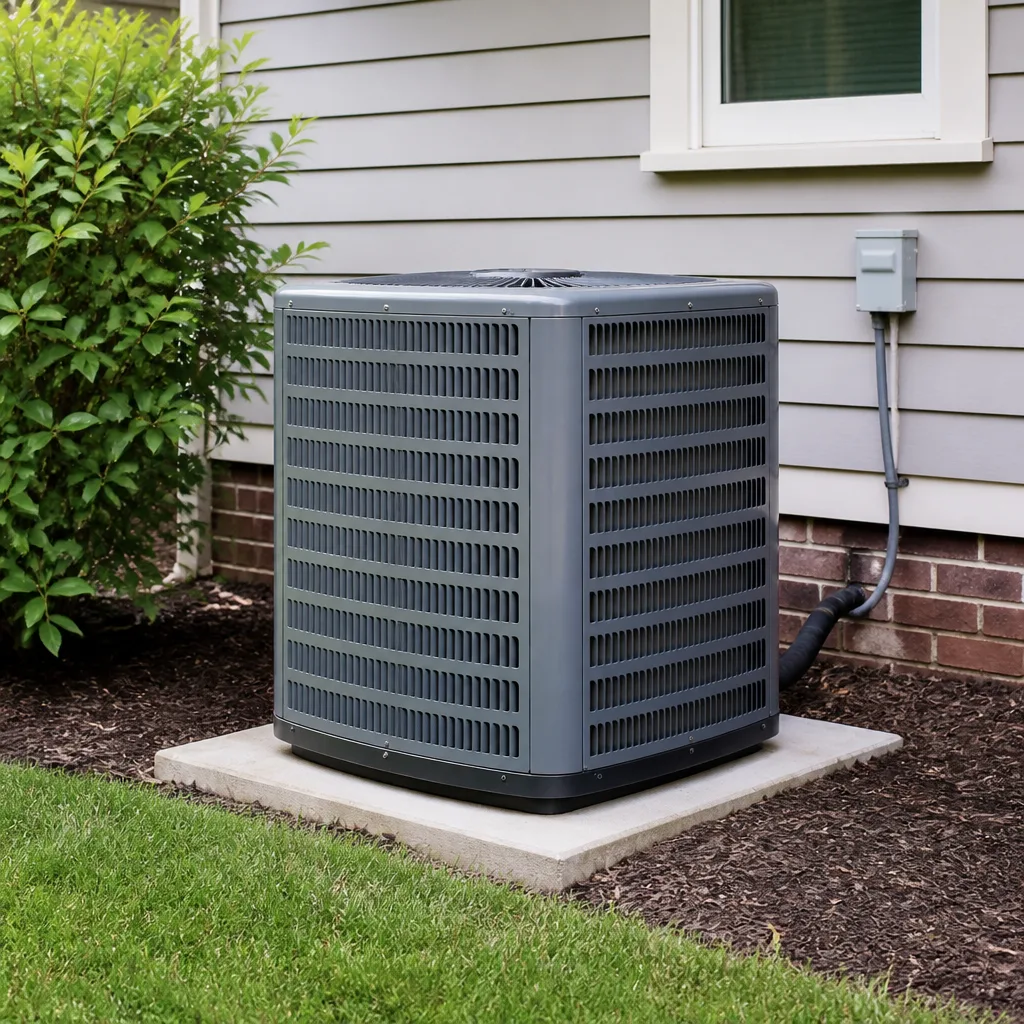 Goodman
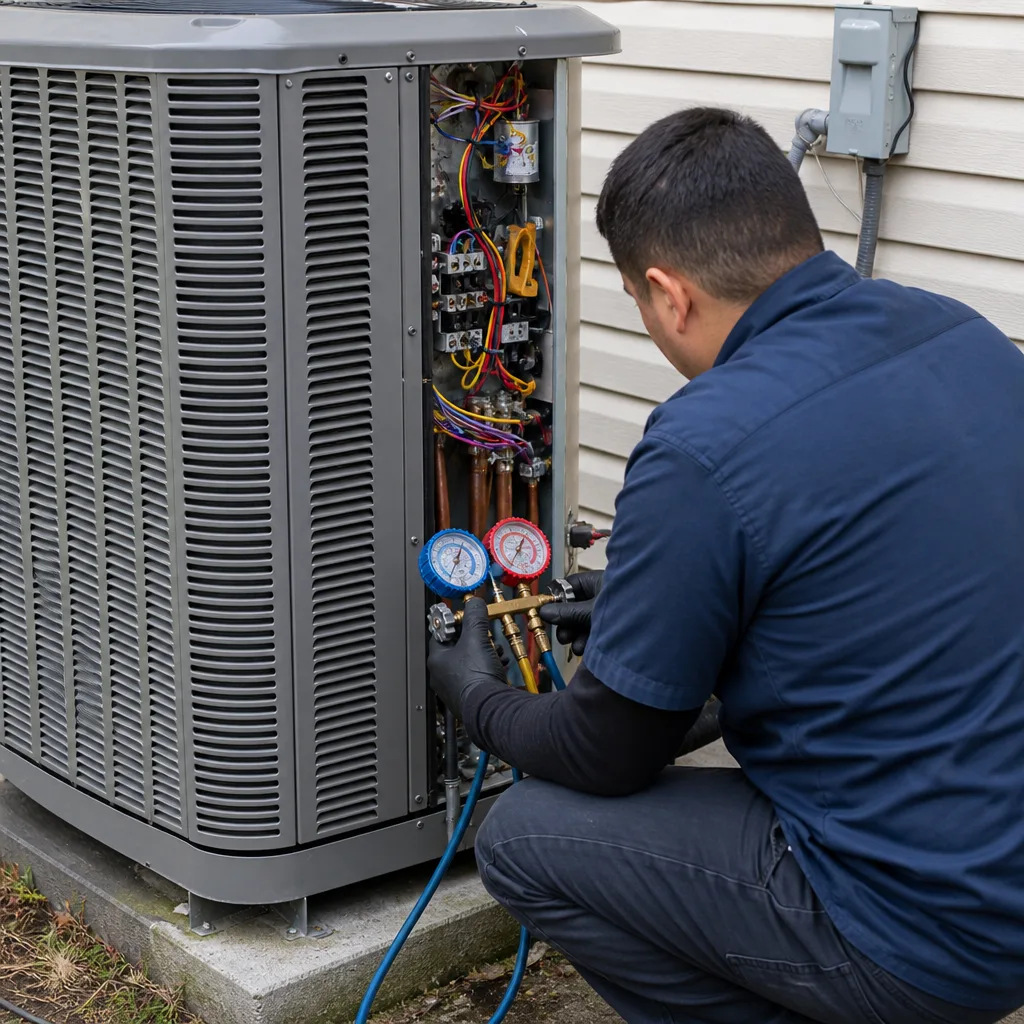
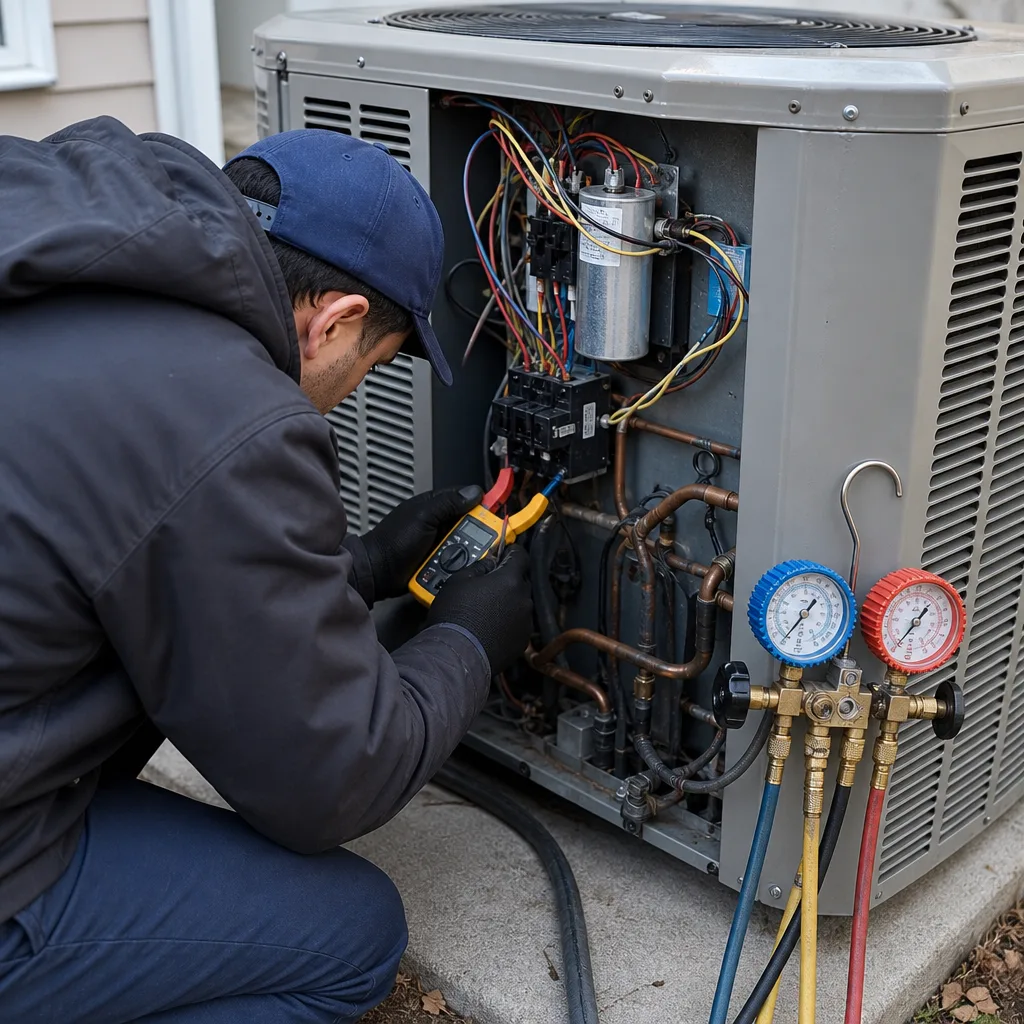
Seasonal tune-up and full diagnostic on your Carrier, Trane, or Goodman system - readings shown to you before any repair is proposed
Diagnosis first, numbers second - you approve the repair price before a single part goes in.
Get your free estimateSeasonal HVAC Care for Queens: Year-Round Homeowner’s Guide
Here’s a number most national HVAC guides won’t tell you: the window to schedule pre-season AC service in Queens is roughly six weeks, from mid-March to late April. Miss it and you’re not just late. You’re competing for technician availability during the first heat wave, which Queens has seen arrive as early as May, when lead times stretch from days into weeks. This guide-along with our The Complete Guide to HVAC in Queens-walks you through a month-by-month calendar built around Queens’ actual weather patterns, not national averages, because a four-season climate compressed into a borough of attached homes behaves differently than the suburbs those generic guides assume.
Styles & brands we work with
Quick Answer
Seasonal HVAC care in Queens means scheduling air conditioning service between mid-March and late April, furnace service between September and mid-October, and doing small monthly tasks like filter changes and vent checks year-round. The goal is to service each system before the weather forces you to use it, not after it fails. Expect to spend $150 to $350 per seasonal tune-up, less than one emergency repair call, and far less than replacing a system that failed from neglect.
Table of Contents
- Queens Weather Patterns Every Homeowner Should Know
- How Shared Walls Change Your Heating and Cooling Load
- Spring: The Six-Week AC Service Window (March-April)
- Summer: Running an AC System Through Heat Waves (June-August)
- Fall: Furnace Prep Before the Nor’easters (September-November)
- Winter: Boiler, Furnace, and Heat Pump Care (December-February)
- Creating a Seasonal File: Photos, Receipts, Filter Logs
- Common Mistakes to Avoid
- When to Call a Professional
- Frequently Asked Questions
- The Bottom Line
Queens Weather Patterns Every Homeowner Should Know
Queens has a humid subtropical climate with four distinct seasons, but what makes it different from upstate New York or the Jersey suburbs is the urban heat island effect and the proximity to the Atlantic. The borough runs warmer in winter and hotter in summer than surrounding areas, but it also gets hit harder by coastal storms. Nor’easters bring wind-driven rain and snow that can pile against exterior condenser units and test every seal on window-mounted equipment. The last frost in Queens typically lands around mid-April, and the first frost usually arrives in early November, which gives you roughly six and a half frost-free months to work with.
We’ve also seen first-hand how quickly the temperature swings. March can produce a 70-degree day followed by a 25-degree night within 72 hours. That freeze-thaw cycle is harder on HVAC equipment in Queens than a steady cold snap would be, because components expand and contract repeatedly, and condensation from warmer days lingers in drain pans and refrigerant lines only to freeze when the temperature drops. This is the specific reason spring AC startup requires more than just flipping a breaker after a Queens winter.
When you live in a borough where shared walls and multi-family buildings dominate the housing stock, those weather patterns interact with your home’s thermal envelope in ways a standalone house in Nassau County never experiences. We’ll cover that next, because it changes when and how aggressively you should maintain your system.
How Shared Walls Change Your Heating and Cooling Load
Most Queens homes are attached, whether you live in a brick rowhouse in Astoria, a semi-attached colonial in Bayside, or a garden apartment in Forest Hills. Shared walls mean your HVAC system is not heating and cooling against outdoor air on all sides. It’s also operating against a neighbor’s unit, and that neighbor’s thermostat setting, insulation level, and maintenance habits all affect your comfort.
In a rowhouse, your interior party walls lose and gain heat differently than your exterior walls. If the home next door is vacant, underheated, or has old single-pane windows, your system works harder to maintain the same temperature. We regularly hear from Queens homeowners who can’t figure out why their furnace runs constantly in January despite having insulated their exterior walls. The answer is often a cold neighbor on one side. Simple physics: heat moves toward cold, and if the unit next door is unheated or set at 60 degrees, your heating load climbs measurably.
Conversely, in summer, an attached neighbor with a poorly maintained AC system can raise your cooling demand as their heat bleeds through the party wall. This is why sizing a system for a Queens rowhouse requires a proper load calculation that accounts for shared wall exposures. National guidelines that assume four exterior walls will oversize equipment for many Queens homes, and oversized equipment short-cycles, which raises humidity, wastes energy, and shortens compressor life. When you’re shopping for a new system, insist on a Manual J load calculation specific to your building’s geometry, as explained in our DIY vs Professional HVAC: The Queens Homeowner’s Decision Guide.
This shared-wall reality is also why seasonal maintenance matters beyond your own comfort. A neglected system that fails mid-winter can drop the temperature in your unit and stress your neighbors’ heating systems. A blocked condensate line that overflows in July can damage the ceiling of the apartment below. Individual AC maintenance in Queens is, in a very real sense, a community responsibility.
Spring: The Six-Week AC Service Window (March-April)
Queens’ first heat wave has become a moving target. Historically, the first sustained 85-degree stretch arrived in late May or early June. In recent years, we’ve seen 90-degree days as early as May, and the National Weather Service has issued heat advisories before Memorial Day. That means if you wait until the first hot weekend to schedule AC service, you’re already behind.
Here’s the spring calendar we recommend-drawn from our full AC Repair Maintenance Checklist for Queens Homeowners-for homeowners who want to beat the rush, including our own customers in neighborhoods from Long Island City to the Rockaways:
- Early March: Check your system age. If your central air or mini-split is over 12 years old, book your spring service now. Older systems need more inspection and often need refrigerant top-ups or capacitor replacements before the season starts.
- Mid-March: Replace your air filter if you haven’t in the past 90 days. Write the date on the filter frame with a marker. If you have a heat pump that ran all winter, this is non-negotiable.
- Late March: Clear debris away from your outdoor condenser unit. Queens winters leave leaves, twigs, and plastic bags wedged against the coil. Give it at least two feet of clearance on all sides. If your unit sits in a yard, cut back any ivy or shrubs that have grown over the winter.
- Early April: Book your professional AC maintenance service. A full spring tune-up should include coil cleaning, refrigerant pressure check, electrical connection tightening, drain line cleaning, and thermostat calibration. Expect to pay $150 to $300 for a thorough service.
- Late April: Test the system by running it for 30 minutes before the first hot day. Listen for unusual sounds. If the air blowing from your vents isn’t noticeably cooler than the room within 10 minutes, call a technician before the heat wave hits.
Why is spring AC startup after a Queens winter more than just turning the unit on? Because sitting idle through months of freeze-thaw cycles does measurable damage. Condensate that collected in the drain pan last fall freezes, thaws, and freezes again, which can crack plastic pans and loosen connections. Refrigerant lines expand and contract with each temperature swing, which can eventually cause pinhole leaks at the braze joints. Capacitors, which help start the compressor and fan motor, degrade faster in cold weather and often fail on the first hot day when they’re asked to work hardest. A professional spring startup catches these issues before the first 85-degree day exposes them. Find out more about how we handle AC maintenance in Queens, including our written-before-work pricing model.
Summer: Running an AC System Through Heat Waves (June-August)
Queens summers mean sustained heat and humidity, often with multiple heat waves between June and August. A well-maintained system should handle these conditions, but how you operate it during a heat wave can make the difference between comfortable and broken. Here’s the summer operating calendar:
- Set a realistic thermostat temperature during heat waves. A 20-degree temperature differential between indoor and outdoor air is about the most any residential system can sustain continuously. If it’s 95 degrees outside, setting your thermostat to 72 is reasonable. Setting it to 65 during a heat wave will make the system run ineffectively and may freeze the evaporator coil.
- Change or clean air filters every 30 to 60 days in summer. Fine dust from open windows and high pollen counts in Queens will clog filters faster than you expect. A clogged filter reduces airflow, which can cause the evaporator coil to freeze, which then melts into a water leak.
- Keep blinds and curtains drawn on south- and west-facing windows. Radiant heat through glass can add thousands of BTUs of load to a room. This is especially true in Astoria and Long Island City, where afternoon sun beats directly on large apartment windows.
- Watch the condensate drain line. If you see water pooling around your indoor air handler or your emergency float switch keeps tripping, your drain line is clogged. A simple wet/dry vacuum on the drain line outlet can clear a minor clog, but if it recurs, you need a professional coil cleaning.
- Listen for changes in the unit’s sound. A rattling noise may be a loose screw or failing fan motor. A hissing noise near the refrigerant lines could be a leak. A hard start followed by a click may be a failed capacitor. If you hear anything new, note it and call before it becomes a full failure.
In our experience with Queens homes, the two most common summer failures are capacitor failures (brought on by the extra load of sustained heat) and condensate drain clogs (brought on by the humidity and biological growth in the drain pan). Both are preventable with spring maintenance, and both typically cost under $400 to fix if caught early, versus $1,000 or more if a frozen coil or compressor damage results. If your system fails outright during a heat wave, AC repair in Queens should be your first call, not a handyman recommendation thread.
Fall: Furnace Prep Before the Nor’easters (September-November)
Queens’ first frost usually arrives in early November, but nor’easter season begins earlier, often in October. Nor’easters bring wind-driven rain and sometimes the season’s first snow, which means your furnace should be ready to run by the time October’s coastal storms start pushing cold air across the borough. Here is the fall service sequence we recommend:
- Early September: Book your furnace or boiler service now. Energy prices spike in fall, and every heating technician in Queens gets busy the week after the first cold snap. A September booking means you control the schedule.
- Mid-September: If you have a forced-air furnace, replace the air filter. If your home has radiators and a boiler, bleed the radiators: start at the highest floor and work down, opening each bleed valve until water runs steadily without air sputtering.
- Late September: Check your thermostat’s heating mode. Switch from cool to heat and confirm the system responds. Test the emergency heat setting if you have a heat pump.
- October: Have your professional fall service performed. For forced-air furnaces, this should include a heat exchanger inspection (critical safety check for carbon monoxide leaks), burner cleaning, flame sensor cleaning or replacement, and flue inspection. For boilers, expect the technician to check the expansion tank, clean the burner, inspect the circulator pump, and verify pressure and temperature relief valve operation.
- November: Test the system under load on the first cold night. If you smell fuel oil or gas, shut the system off and call a professional immediately. If the system short-cycles (turns on and off every few minutes), you may have a dirty flame sensor or a thermostat wiring issue.
The single most important fall task, and the one that prevents the most winter midnight emergencies, is heat exchanger inspection on gas furnaces. A cracked heat exchanger can release carbon monoxide into your living space, and it’s not something you can see without opening the unit. Every furnace older than 12 years should have this inspection annually. On boiler systems, steam trap maintenance and bleeding are the tasks that prevent banging pipes, uneven heat, and water hammer damage to your radiators. If you’ve not yet scheduled your annual furnace service, furnace repair in Queens is handled by technicians who arrive with a written price before any work starts.
If you have a whole-home humidifier attached to your furnace, fall is when you set it up for the season. Replace the evaporator pad, set the humidistat to 35 to 45 percent, and open the water supply valve. Queens winter air tends to be dry enough to cause static shocks, cracked wood floors, and respiratory irritation, and a properly set humidifier can help with all three, while also making your home feel warmer at a lower thermostat setting.
Winter: Boiler, Furnace, and Heat Pump Care (December-February)
Winter in Queens is the season when HVAC systems earn their keep, and when the difference between a maintained and neglected system becomes obvious. January and February bring the coldest nights of the year, often in the teens, and occasionally near zero with wind chill. Here is the winter operating guide:
- Change furnace filters every 30 days. Winter air in Queens is dry and full of dust from forced-air system recirculation. A clogged filter restricts airflow, which makes the furnace run longer, which raises your Con Edison bill, which shortens the life of the blower motor.
- For boiler-heated homes: Monitor your boiler pressure gauge. Most residential boilers should run between 12 and 15 psi when cold. If the gauge reads below 10 psi, the system needs water added, and if it reads above 25 psi, the expansion tank may have failed. Both are service calls, not DIY fixes.
- Keep outdoor condenser units clear of snow and ice. If you have a heat pump, heavy snow accumulation on the outdoor unit will force it to work harder or shut down entirely. After any significant snowfall, gently clear snow from the top and sides of the unit. Do not chip at ice with a shovel, which can dent the coil fins. If the unit is fully encased in ice, let it defrost naturally and then call for service if it doesn’t restart.
- Set your thermostat to a steady temperature rather than aggressive setbacks. A 5 to 8 degree setback at night saves energy, but a 15-degree setback in a poorly insulated Queens rowhouse forces a long recovery run every morning, which can stress old equipment and trigger limit switch trips.
- Listen for banging or whistling in radiators. Banging means water hammer in steam systems, usually from improper pitch or a faulty main vent. Whistling means steam escaping through a failed valve. Both are repairable by a qualified technician and will only worsen through the winter.
We also recommend a simple carbon monoxide detector check every time you change your furnace filter. Queens fire officials respond to hundreds of CO calls every winter. A detector with a digital display that reads low-level CO is better than a basic alarm, because low-level exposure over months can cause headaches and fatigue that homeowners often attribute to winter blues.
Creating a Seasonal File: Photos, Receipts, Filter Logs
One thing we’ve learned from two decades of servicing Queens homes is that the homeowners who keep even a simple file are the ones who get better outcomes when they sell, when they file an insurance claim, or when they need warranty coverage. A seasonal HVAC file takes 10 minutes a quarter and pays for itself the first time you need to prove maintenance history.
Here’s what goes in it:
- Photos of your equipment, taken quarterly. Stand far enough back to capture the entire unit, including the serial number plate. These photos prove what equipment you have, what condition it was in, and when it was serviced, which matters if an insurance claim or warranty dispute arises.
- Copies of every service invoice. When you have a technician service your system, ask for a written invoice that lists exactly what was inspected, what was found, and what was replaced. Keep these invoices in the file. When you sell your home, a complete service history can add credibility to your asking price and speed the negotiation.
- A filter change log. A simple note on a kitchen calendar or a spreadsheet that lists the date, filter size, and filter brand. This is the single most-requested piece of evidence when a blower motor fails under warranty, and a complete log can mean the difference between a free replacement and a $600 repair.
- Equipment age and model numbers. Write down the model number, serial number, and installation date of every HVAC component: furnace, AC, boiler, heat pump, thermostat, humidifier. If a manufacturer recall is announced, this file lets you check immediately whether your equipment is affected.
- Notes on system behavior. If you notice a strange sound in November, write it down. If the system takes longer to heat a room than it did last year, note it. These notes are gold for a technician diagnosing an intermittent problem.
We recommend a simple manila folder or a Notes app on your phone. Either one works. The habit matters, not the format.
Common Mistakes to Avoid
- Waiting until the first hot or cold day to test the system. By the time you find out your AC compressor failed over the winter, every technician in Queens is booked. Test in April and October, a month before you need the system.
- Closing too many vents or doors to save energy. Your furnace and AC are sized for the whole home. Closing more than 10 percent of your vents raises static pressure, which stresses the blower motor and can cause the evaporator coil to freeze in summer.
- Using fiberglass filters that are too restrictive. High-MERV filters might sound better, but many older Queens systems can’t push air through a MERV 13 filter. Check your equipment’s rated pressure drop, and if you’re not sure, a MERV 7 or 8 pleated filter is the safe choice for most residential systems.
- Skipping annual service on a new “maintenance-free” system. No residential HVAC system is maintenance-free. A high-efficiency furnace with a cracked heat exchanger is still a carbon monoxide risk. A high-SEER AC with a dirty coil is still inefficient. Service every system every year.
- Running the system with a frozen evaporator coil. If you see ice on your indoor coil or the copper line running to the outdoor unit, shut the system off immediately. Running it while frozen can slug liquid refrigerant back into the compressor and destroy it. Let it thaw, and then call for service before restarting.
- Choosing the lowest price for a seasonal tune-up without asking what’s included. A $79 “tune-up” that includes only a filter check and a visual once-over isn’t the same as a $250 service that includes coil cleaning, electrical inspection, refrigerant testing, and a written report. In Queens, you generally get what you pay for, and the cheap check is often a sales lead generator, not a maintenance service.
When to Call a Professional
Some jobs are DIY-friendly: filter changes, vent cleaning, thermostat programming, clearing leaves from around the outdoor unit. Other jobs should never be attempted without a trained, licensed technician. Call a professional if you notice any gas smell near your furnace or boiler, any yellow or flickering flame instead of a steady blue flame, any signs of carbon monoxide poisoning (headaches, nausea, dizziness that clear up when you leave the house), any refrigerant leak (oily residue on refrigerant lines, hissing sounds, ice on the lines), or any electrical issue with your HVAC equipment (burning smell, tripping breaker, scorched wiring). These are not symptoms to monitor. They are reasons to shut the system off and call immediately.
Brandt HVAC Co Queens offers free estimates in Queens, with technicians who arrive by name and photo, and a written price provided before any work starts. Call (845) 328-4955 for service.
Frequently Asked Questions
Seasonal HVAC maintenance in Queens typically costs $150 to $350 per system visit, depending on the equipment type and what’s included in the service. A basic furnace tune-up runs $150 to $250, while a full AC service with coil cleaning, refrigerant check, and electrical inspection typically runs $200 to $350. Boilers tend to cost slightly more than forced-air furnaces because of the additional components. At our company, every job starts with a written price before any work begins, so you’ll know the exact cost before we touch your equipment. Call (845) 328-4955 for a specific quote.
Most systems tolerate one skipped season, but you’ll likely see reduced cooling capacity, higher electric bills, and an increased risk of a capacitor or condensate line failure during the hottest weeks. The cost of a skipped maintenance visit is usually recovered in breakdown repairs within two years. In our Queens service area, we see a direct correlation between unserviced systems and July emergency calls.
Yes. A heat pump runs year-round, which means it accumulates more wear than a system that sits idle for six months. It should be serviced twice a year, spring and fall, and its air filter should be changed more often, typically every 30 to 60 days. Heat pumps also require outdoor coil cleaning more frequently in Queens because of the urban dust load.
September is the best month to book furnace service in Queens. The weather is still mild, technicians have open schedules, and you’ll be ready before the first nor’easter pushes cold air into the borough. October is acceptable. November and December are the worst months, because that’s when every homeowner who forgot about their furnace realizes it won’t start.
A frozen AC coil usually means one of three things: a dirty air filter restricting airflow, a refrigerant leak reducing system pressure, or a clogged evaporator coil reducing heat transfer. In Queens’ humid summer air, frozen coils are more common because the extra moisture accelerates dirt accumulation on the coil. Shut the system off, let it thaw completely, and call for service. Running it frozen can destroy the compressor.
A proper seasonal tune-up should include coil cleaning, filter replacement, condensate drain clearing, electrical connection tightening, thermostat calibration, and a system performance test. A furnace visit adds a heat exchanger inspection and burner/flame sensor service. If a company offers you a tune-up for $79, ask what’s on the checklist, because you’re likely getting a filter swap and a visual inspection, not a full service. Call (845) 328-4955 to get a copy of our full maintenance checklist before you book.
The Bottom Line
The decision every Queens homeowner faces is simple: spend a few hundred dollars a year on seasonal maintenance that prevents breakdowns, extends equipment life, and keeps your system running efficiently, or wait for the breakdown and pay for an emergency repair at the worst possible time, often during a heat wave or a nor’easter. Given the compression of Queens’ climate transitions and the shared-wall reality of our housing stock, the smart money is on prevention, as we explore in more guides & resources for local homeowners. Six weeks in the spring for AC, six weeks in the fall for heat, and small monthly tasks in between.
Start by booking your next seasonal service today. Brandt HVAC Co Queens serves the borough with background-checked, uniformed technicians who arrive by name and photo, and a written price before any work starts. Every repair includes a written guarantee, and if it fails, we return at no charge under our 365-Day Done Right Promise. Call us at (845) 328-4955 to schedule your seasonal maintenance or to ask any question about your system.
Written by Devin Marlowe, Owner at Brandt HVAC Co Queens, serving Queens since 2003.
See the difference
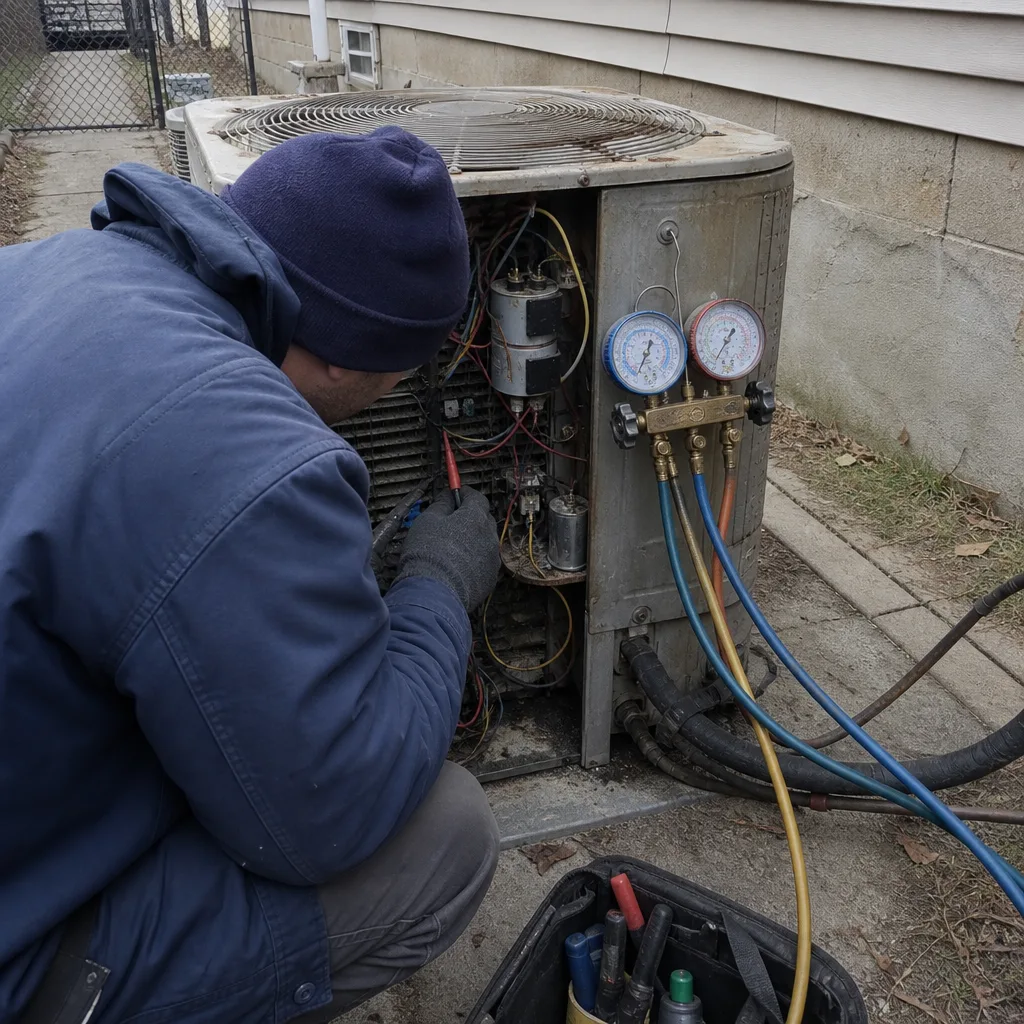 Before
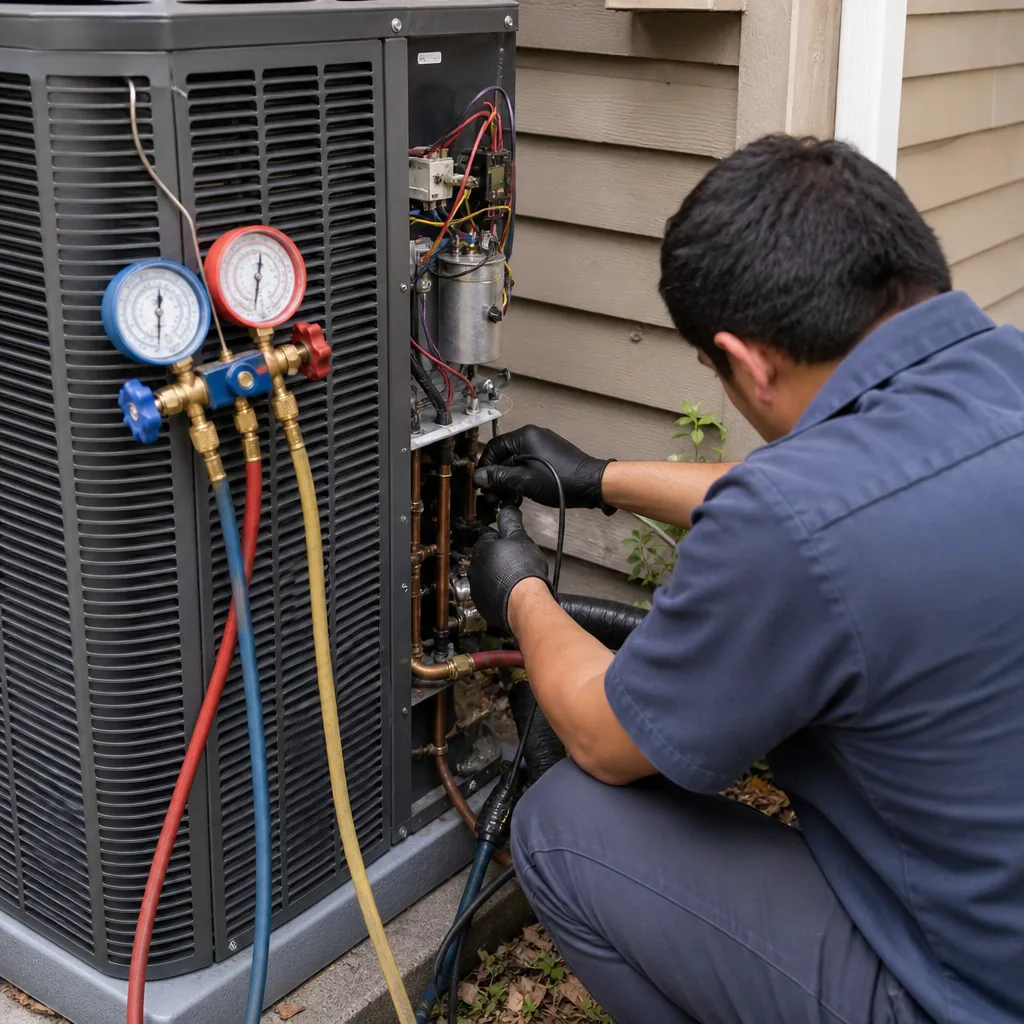 After
After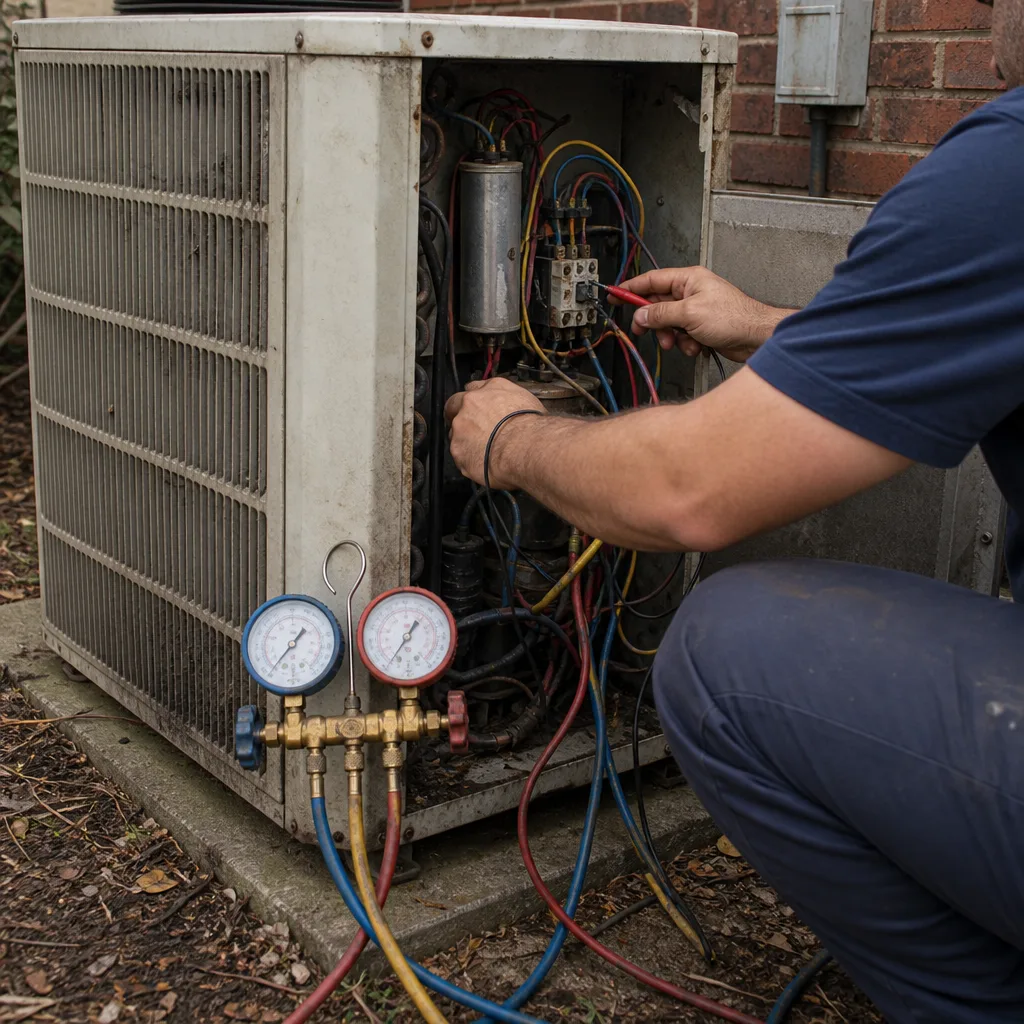 Before
 After
After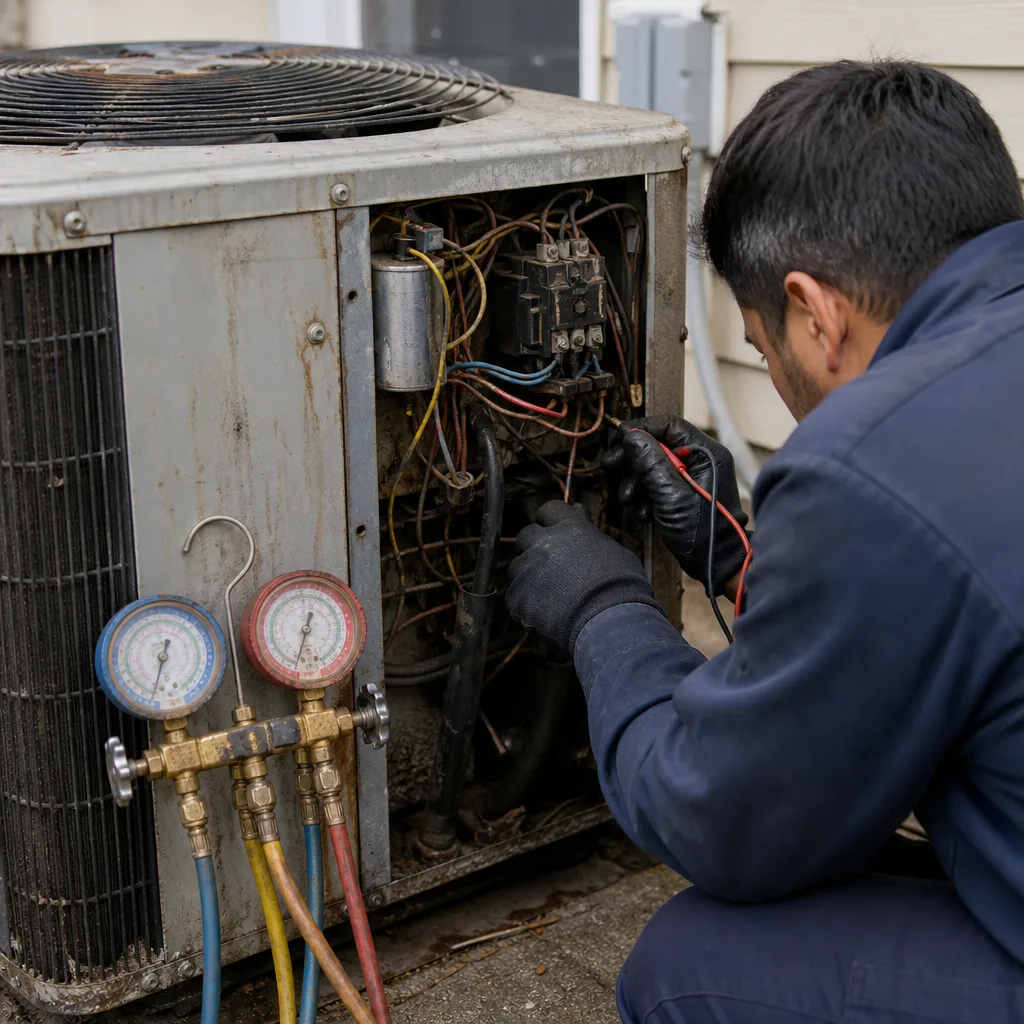 Before
 After
After